
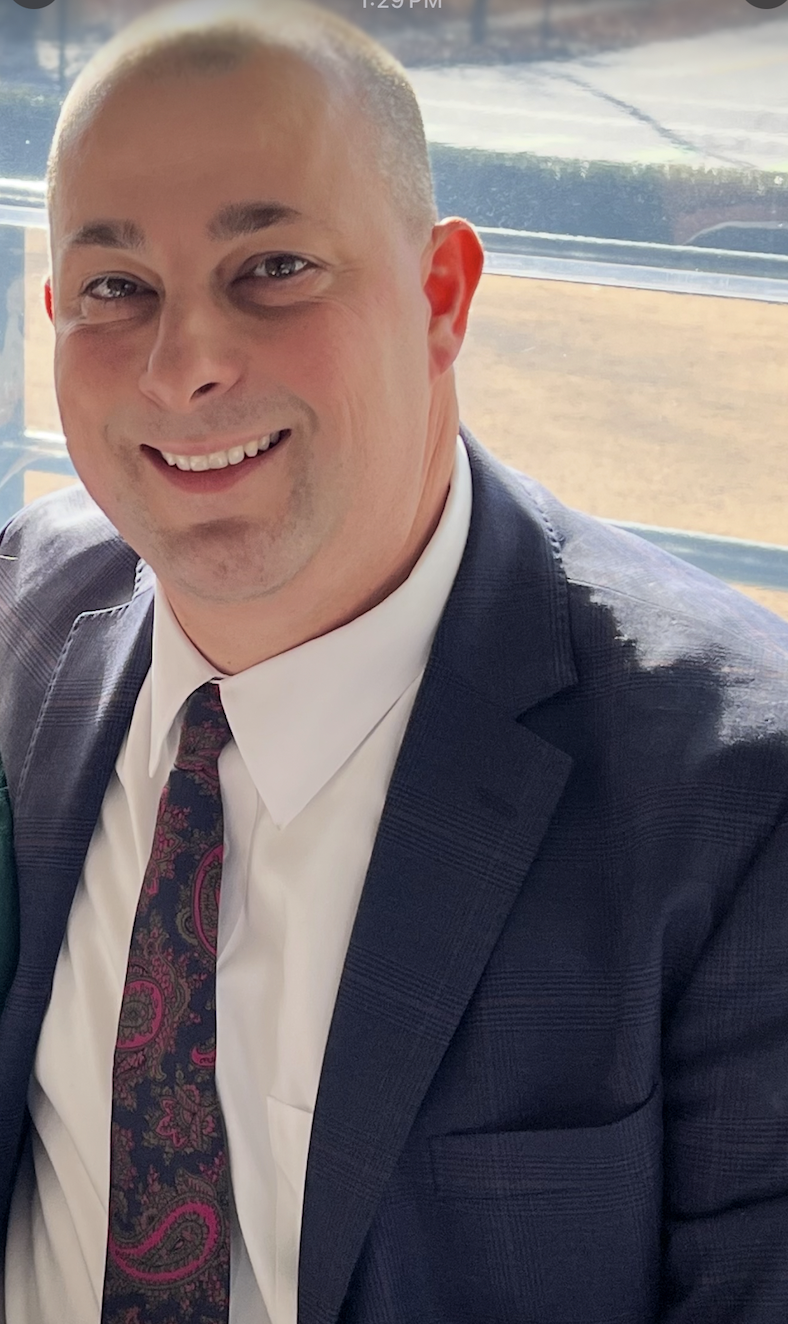
As the senior pastor of First United Methodist Church in North Carolina, David Joyner leads services that reach 1,300 churchgoing members. His spiritual care in Rocky Mount complements senior administration duties. David Joyner is responsible for the efforts of 21 staff members and volunteers and also oversees the preschool and family ministry teams.
Mr. Joyner serves as superintendent with the North Carolina Conference of The United Methodist Church (NCCUMC) Heritage District, guiding the pastors and extension ministries of 51 churches. He was previously active with the NCCUMC Finance and Administration Council and served on various boards and committees, including the District Board of Building and Location. His current responsibilities include a seat on the Bishop’s Cabinet, and he is active with the boards of trustees of both Louisburg College and NC Wesleyan University.
He earned a degree in leadership for the public sector at NCSU. He also holds qualifications in disaster management and community preparedness from UNC-Chapel Hill. He earned his MDiv and PhD degrees at Duke University, where he also studied clinical pastoral education at the school’s hospital.
What is your typical day, and how do you make it productive?
A typical day for me begins quietly—usually with a moment of prayer, Scripture, or simply gathering my thoughts before the day’s responsibilities unfold. Much of my time is spent meeting with people, planning for ministry, responding to needs, and working alongside staff and church leaders. I try to balance focused work with being present and available, knowing that meaningful conversations often shape the heart of ministry.
I make my day productive by staying organized and intentional. I prioritize what truly matters, take steady steps rather than rushing, and build in time to walk, reflect, and reset when needed. Clear communication, thoughtful planning, and showing up consistently help me stay grounded. At the end of the day, being present with my family reminds me why the work matters and helps me begin the next day with clarity and purpose.
How do you bring ideas to life?
I bring ideas to life by taking steady, intentional steps toward them. I start by praying, reflecting, and making sure the idea is grounded in purpose and aligned with the needs of the people I serve. From there, I break it down into clear, manageable actions and surround myself with people who bring insight, creativity, and accountability. I listen carefully, invite collaboration, and communicate the vision in a way others can connect with. Most of all, I stay patient and persistent, moving forward one step at a time until the idea becomes reality.
What’s one trend that excites you?
One trend that excites me is the growing desire people have for meaningful, in-person community. In a world that has been pulled toward digital connection, I’m encouraged to see people seeking deeper relationships, authentic conversations, and spaces where they can truly belong. This shift opens doors for the church and for leaders to create environments that feel welcoming, grounded, and relational—places where people can show up, be known, and grow together.
What is one habit that helps you be productive?
One habit that helps me stay productive is beginning my day with clarity and purpose. I take a few quiet moments to center myself—whether through prayer, reflection, or simply mapping out my priorities. Starting the day this way keeps me grounded and focused. From there, I work steadily through what matters most, breaking tasks into manageable steps and giving myself space to think, walk, and reset when needed. That steady rhythm helps me stay organized, present, and effective throughout the day.
What advice would you give your younger self?
I would tell my younger self to slow down, breathe, and trust the steady work God is doing in your life. Don’t worry so much about having everything figured out; just take faithful steps forward. Invest deeply in the people who love you, cherish your family, and don’t let fear or insecurity steal your joy. You are stronger, more capable, and more loved than you realize, and the path ahead—while not always easy—will be full of grace, growth, and moments that become sacred memories.
Tell us something you believe that almost nobody agrees with you on.
I believe that people are far more capable of genuine kindness, understanding, and change than we often give them credit for. In a world that expects division, assumes the worst, and rushes to judgment, I hold onto the conviction that most people truly want to do good—and just need someone to believe in them, guide them, or walk alongside them. It’s a belief many might see as naïve, but I see it as an act of faith, grounded in grace and the quiet confidence that hearts can soften and communities can be healed.
What is the one thing you repeatedly do and recommend everyone else do?
One thing I repeatedly do—and recommend everyone do—is take a moment each day to slow down, breathe, and reflect. Whether it’s through prayer, a quiet walk, or simply pausing long enough to notice what truly matters, that daily reset helps me stay grounded and present. It brings clarity, reduces stress, and reminds me to lead and live with purpose. I believe everyone can benefit from creating that small space of stillness in their day.
When you feel overwhelmed or unfocused, what do you do?
When I feel overwhelmed or unfocused, I step away for a moment and take a walk or find a quiet space to breathe and reset. Getting some fresh air helps clear my mind, and the movement gives me space to think more clearly. Sometimes I’ll sit down, pray, or simply pause long enough to regain perspective. That small break helps me refocus, calm my spirit, and return to the task with a clearer head and a steadier heart.
What is one strategy that has helped you grow your business or advance in your career?
One strategy that has consistently helped me advance in my career is leading with steadiness and clear communication. I’ve learned that when I stay calm, listen well, and approach challenges with thoughtful clarity, it builds trust—both in everyday moments and in seasons of change. This steady approach encourages others to collaborate openly, helps teams move forward with confidence, and creates space for honest conversations. Over time, that combination of clarity, consistency, and relational leadership has opened doors, deepened partnerships, and allowed me to serve more effectively in every role I’ve held.
What is one failure in your career, how did you overcome it, and what lessons did you take away from it?
One failure in my career was a season when I tried to carry too much on my own—believing I had to solve every problem, meet every expectation, and be everything to everyone. Eventually, I realized I was stretched too thin, missing important details, and not leading as effectively as I wanted to. I overcame it by admitting my limits, asking for help, and leaning more intentionally on trusted colleagues, lay leaders, and mentors.
The lessons I took away have shaped me ever since: that steady leadership isn’t about doing everything yourself, it’s about building strong relationships, communicating clearly, and trusting the people around you. I learned the value of healthier boundaries, deeper collaboration, and the grace to grow from my mistakes. That failure ultimately made me a more grounded, patient, and effective leader.
What is one piece of software that helps you be productive? How do you use it?
One piece of software that helps me stay productive is the Google platform. I use it to keep my calendar, email, and task lists organized in one place. I color-coded appointments, set reminders, and block time for focused work so that the most important tasks don’t get lost in the rush of the day. Google calendar helps me manage meetings, stay on top of communication, and ensure that I’m consistently prepared and present for the people I serve. It keeps my day structured, clear, and moving in the right direction.
What is the best $100 you recently spent? What and why?
The best $100 I’ve recently spent was giving it to a man on the street so he could get a room for the night. It meant he had a safe, warm, and clean place to stay instead of sleeping outside. Knowing that a simple act of generosity could give him dignity and rest—if only for one night—made that $100 more meaningful than anything I could have spent it on for myself. Moments like that remind me why compassion matters and how even small gestures can make a real difference in someone’s life.
Do you have a favorite book or podcast you’ve gotten a ton of value from and why?
My favorite podcast is the Carey Nieuwhof Leadership Podcast. I appreciate the thoughtful conversations about ministry, leadership, and navigating change with wisdom and clarity. It challenges me, encourages me, and often gives me practical insights I can bring directly into my work with churches and leaders. It’s one of the few things I regularly listen to that consistently helps me grow and reflect.
What’s a movie or series you recently enjoyed and why?
A recent series I really enjoyed was Chicago Fire (along with the other shows in the Chicago franchise). I appreciate the strong storytelling, the sense of teamwork, and the way the show highlights courage, service, and the everyday heroism of first responders. The characters feel real, the relationships are deep, and the episodes strike a balance between action and heart. It’s a great way to unwind at the end of a long day, and it’s a series my wife and I enjoy watching together.
Key learnings
- Steady, grounded leadership—rooted in Scripture, compassion, and intentional relationships—creates healthier, more welcoming communities.
- Genuine hospitality is one of the most effective strategies for organizational growth, especially when barriers for newcomers are removed.
- Meaningful productivity comes from establishing daily rhythms of reflection, clarity, and prioritization, rather than rushing or multitasking.
- Personal transformation often comes through moments of vulnerability, learning from failure, and relying on trusted partners rather than carrying burdens alone.
- Deep care for others—expressed through generosity, presence, and everyday compassion—has a lasting impact and reflects the central values guiding both life and leadership.