
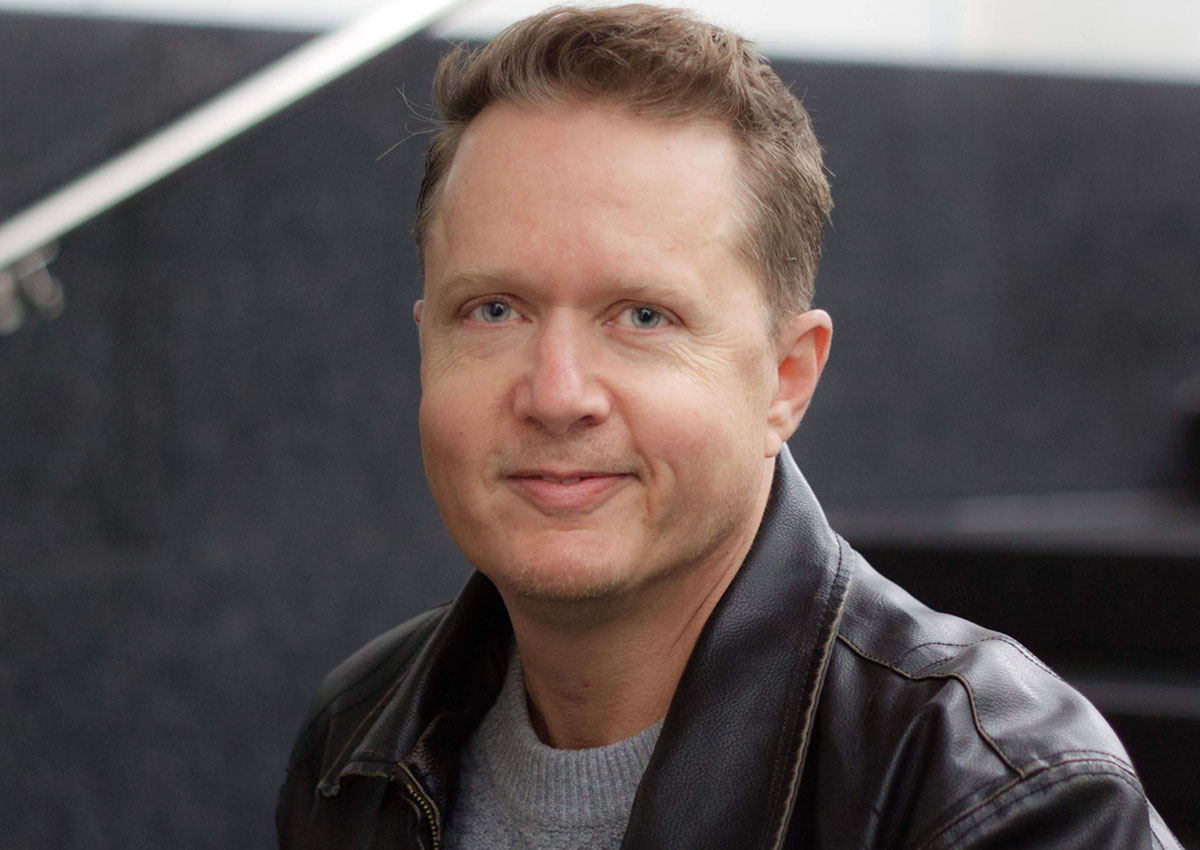
David Torske is a Calgary-based Project Coordinator and emerging Project Manager known for his calm, structured approach to construction. Raised in the interior of British Columbia, David spent his early years surrounded by nature and playing team sports like basketball, volleyball, hockey, and baseball. Those experiences taught him discipline, teamwork, and how to handle pressure—skills that now shape his professional life.
After entering the construction industry, David found his niche in organizing complex workflows and helping teams move smoothly from planning to delivery. He’s worked on both residential and commercial builds, gaining a strong understanding of construction methods, scheduling, and project lifecycles.
David is known for his attention to detail and clear communication. He’s skilled in Microsoft Project, Procore, and Excel, and uses these tools to track progress, manage changes, and keep everything running on time. His precise documentation and solutions-focused mindset help reduce delays and improve project outcomes.
Clients and coworkers alike trust David for his steady presence and thoughtful coordination. He listens, responds calmly, and works to keep expectations aligned and results high.
When he’s not working, David explores Alberta’s foothills and mountain streams with his fly rod. He’s a fan of topographic maps, remote trout fishing, and collecting sports cards and graphic novels. These hobbies keep him grounded and remind him to stay curious and focused—qualities he brings to every project he leads.
David continues to grow in his field, helping teams build with more clarity, care, and consistency.
What is your typical day, and how do you make it productive?
My day starts early. I like to get to the site before most people show up. It gives me time to review plans, prep my notes, and check in with trades as they arrive. I usually walk the site with a clipboard and checklist, making sure everything lines up with the schedule. From there, it’s about keeping things moving—coordinating deliveries, confirming timelines, and dealing with any issues that come up.
I try to build structure into every part of my day. I block time to review documentation, update logs, and follow up on emails. I’m not a fan of multitasking. I like to give one thing my full attention before moving on to the next.
How do you bring ideas to life?
I start by breaking them into smaller pieces. Big ideas don’t mean much unless they can be explained in clear steps. If I see a way to improve a workflow or reduce confusion on-site, I’ll sketch it out first—literally, pen and paper. Then I’ll test it with a small task before rolling it out more widely.
One example: on a recent job, I noticed the handoff between framing and electrical was getting delayed because the walkthrough notes weren’t clear. I created a shared checklist in Excel that both teams could access and update. It wasn’t fancy, but it worked—and it shaved days off the timeline.
What’s one trend that excites you?
More teams are starting to prioritize real-time collaboration tools on-site. I’ve used Procore on multiple projects, and I think we’re just scratching the surface of how it can improve clarity. When everyone—from foreman to architect—can track the same drawings, issues, and updates in one place, it cuts down on a lot of the confusion and “he said, she said.”
What is one habit that helps you be productive?
I write things down—always. Whether it’s notes from a meeting or a quick sketch of a site issue, I carry a notebook and keep everything dated. At the end of the week, I scan through my notes and transfer anything important into my reports or schedules. It’s a simple system, but it keeps me sharp.
What advice would you give your younger self?
Ask more questions early on. When I started out, I didn’t want to bother people. But good questions don’t waste time—they save it. If something doesn’t make sense, get clarity. People respect that more than guessing your way through.
Tell us something you believe almost nobody agrees with you on?
I think job sites are more peaceful than people realize. Most people picture noise and chaos, but I see coordination. Everyone has a role, and when it clicks, it’s like watching a system run. There’s a rhythm to it—especially when you’re ahead of schedule.
What is the one thing you repeatedly do and recommend everyone else do?
Check your assumptions. Just because something worked last time doesn’t mean it’s the right call this time. Materials change. People change. Conditions change. Treat each project like it’s new.
When you feel overwhelmed or unfocused, what do you do?
I take a walk—usually around the site perimeter or to grab a coffee. Stepping away for five minutes helps me reset. I also keep a fly rod in the truck. On long days, I’ll drive out to a small stream after work and fish until the sun goes down. It clears my head.
What is one strategy that has helped you grow your business or advance in your career?
I say yes to responsibility before I feel “ready.” My first time coordinating a multi-trade schedule, I wasn’t sure I had it all figured out. But I stayed organized, kept asking the right questions, and made it work. Stepping up early taught me what I was capable of.
What is one failure in your career, how did you overcome it, and what lessons did you take away from it?
Early on, I underestimated how long it would take to source a specific type of insulation. It ended up delaying part of the schedule. I owned the mistake and put together a new procurement checklist that we’ve used ever since. Lesson learned: never assume specialty materials are “just a quick order.”
What is one business idea you’re willing to give away to our readers?
A construction field journal app that works like a hybrid between a checklist and a voice note recorder. Something fast, offline-capable, and easy to sync with a PC later. I’d use that daily.
What is one piece of software that helps you be productive? How do you use it?
Microsoft Project. I use it to map out timelines, dependencies, and critical paths. But I always pair it with actual job site notes. A schedule only works if it reflects real conditions.
Do you have a favorite book or podcast you’ve gotten a ton of value from and why?
The Checklist Manifesto by Atul Gawande. It’s about how simple tools like checklists can prevent mistakes in complex fields. That’s construction in a nutshell—lots of moving parts and high stakes.
What’s a movie or series you recently enjoyed and why?
I rewatched The Martian recently. It’s all about problem-solving under pressure, staying calm, and using what you have. It reminded me of tough project days when things go sideways and you just have to keep moving.
Key learnings
- Structure beats speed every time. Productivity comes from clear routines, written plans, and focused attention. Starting early, walking the site, and avoiding multitasking helps prevent small issues from becoming big delays.
- Big ideas only work when broken into small steps. Improvements don’t need to be complex to be effective. Simple tools like shared checklists and clear handoff notes can save days on a project when they’re tested and applied thoughtfully.
- Documentation is a competitive advantage. Writing things down, dating notes, and reviewing them weekly creates clarity and accountability. Good records reduce confusion and help schedules reflect real conditions, not assumptions.
- Asking questions early saves time later. Seeking clarity is a sign of professionalism, not weakness. Assumptions—especially around materials, timelines, or past methods—are a common source of failure.
- Calm focus is a leadership skill. Stepping away when overwhelmed, finding rhythm in coordination, and staying grounded outside of work all contribute to better decision-making under pressure and long-term career growth.