
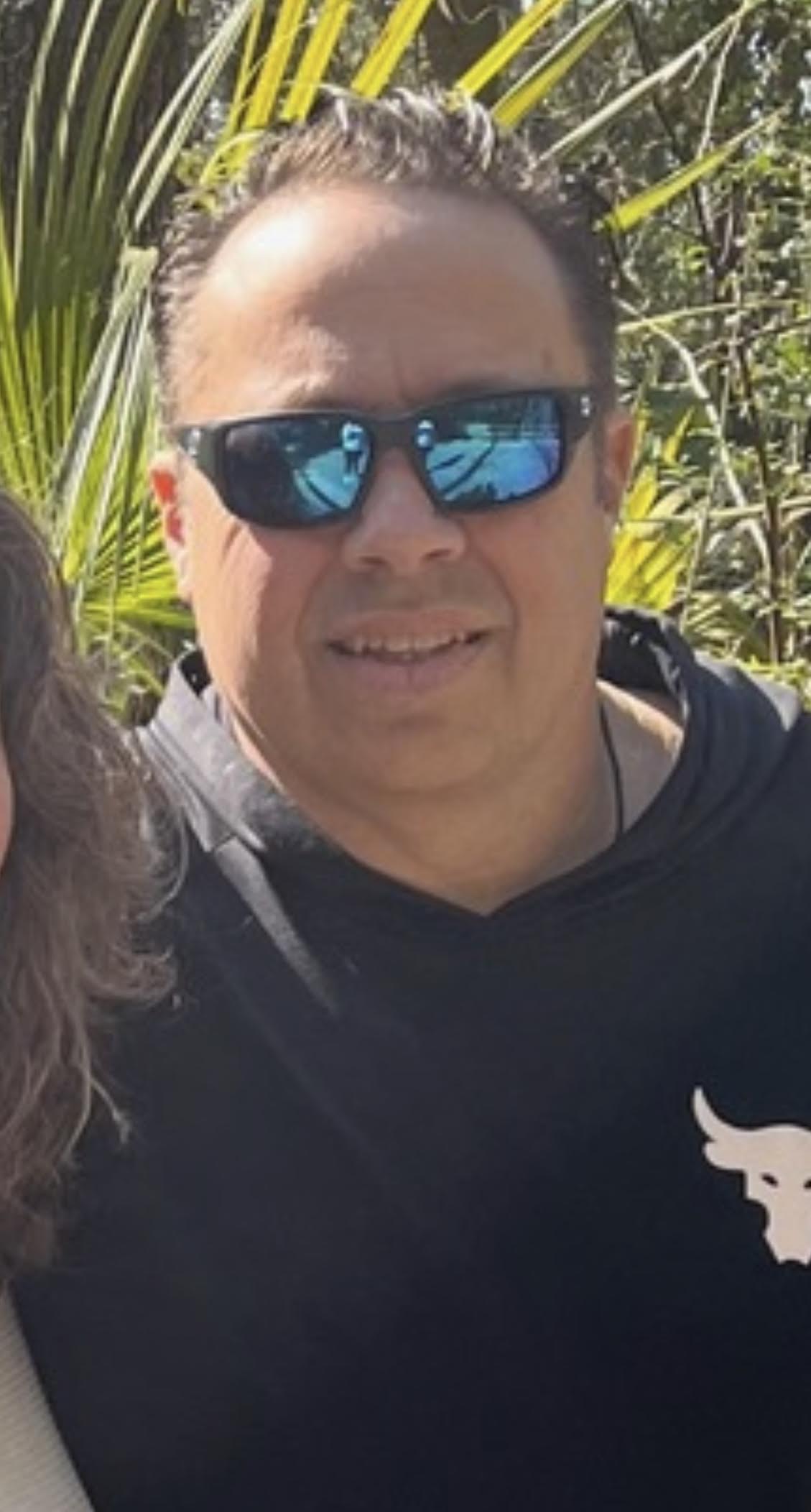
David Wiley’s story begins in Roanoke, Virginia, where he was born while his father served as a Marine officer in Vietnam. When the family moved to Atlanta in 1972, Wiley found his home—and his drive. Growing up in Georgia shaped his sense of grit and community.
At Wofford College, he studied Business Economics and played football, earning All-American honors twice and serving as team captain his senior year. Those years taught him discipline, teamwork, and how to lead by example. He graduated with a 3.4 GPA, ready to take those lessons into life beyond the field.
In 1998, Wiley started his first business selling HP toner cartridges to major companies like Coca-Cola, Bayer, and Lockheed Martin. It was a simple idea, but it showed him how dependability and relationships build success. Sixteen years later, he launched Belief Marketing Services, helping clients in industries from home warranty to legal marketing. His focus now is generating precise, time-sensitive leads for attorneys—a business built on trust and timing.
Outside of work, Wiley spent eight years coaching girls’ soccer, guiding a young recreation team into one of Georgia’s top ten by age thirteen. He also founded Cash In Time Ministries, a nonprofit that helps families cover rent, utilities, and groceries during tough times.
Through it all, Wiley has stayed grounded in faith, family, and perseverance. Whether leading a team, running a business, or serving his community, he lives by one quiet rule—believe in people, and they’ll rise to meet it.
What is your typical day, and how do you make it productive?
I start my mornings early, usually before sunrise. I make coffee and sit quietly for about 30 minutes—no phone, no TV, just time to get centered. I write down three things I need to get done that day. If I finish those three, I count the day as a success. Mornings are my focus time for business—checking data, refining campaigns, and following up with clients. Afternoons are for people. I meet with partners, talk to younger entrepreneurs, or check on families through my nonprofit, Cash In Time Ministries. In the evenings, I like to walk or spend time outside. That’s usually when the best ideas show up.
How do you bring ideas to life?
Most of my ideas don’t come from brainstorming sessions—they come while I’m doing something ordinary. I keep a small notepad with me at all times. When something hits, I write down three things: the problem, the process, and the payoff. Then I test it small before taking it big. That’s a habit I learned early when I was selling toner cartridges—mistakes were expensive, so I learned to think small, prove the idea, and then grow it.
What’s one trend that excites you?
I’m fascinated by intent-based marketing—meeting people at the exact moment they need help. In the legal space, that means connecting with someone days after a car accident, not weeks later. It’s not just about tech or data. It’s about timing, empathy, and being present when it matters most.
What is one habit that helps you be productive?
I work in focused blocks. I set a timer for 50 minutes, turn my phone face-down, and do one thing—just one. Then I take a short break and reset. That’s helped me more than any productivity app. Multitasking feels productive, but it’s really just splitting your attention.
What advice would you give your younger self?
Slow down. I used to think I had to hit certain milestones by a certain age—own a business, buy a house, all of it. But success doesn’t have an expiration date. The best things in my life came from consistency, not speed. I’d tell my younger self to trust the process and focus on doing the next right thing, not everything at once.
Tell us something you believe almost nobody agrees with you on?
I believe failure builds more trust than success. When you mess up and own it, people respect you more. I’ve made my share of mistakes, and being honest about them has kept relationships intact. Transparency earns loyalty.
What is the one thing you repeatedly do and recommend everyone else do?
Every night, I write down one thing I’m grateful for and one thing I could’ve done better. It’s simple, but it keeps me honest. I started doing it when I was coaching soccer, helping the girls reflect after games. It works just as well for adults.
When you feel overwhelmed or unfocused, what do you do?
I step away. Sometimes I’ll drive around the back roads in Jefferson or just sit outside with my dog. Quiet resets me faster than any meeting or motivational video ever could.
What is one strategy that has helped you grow your business or advance in your career?
Building partnerships based on trust. My first business grew because I focused on long-term relationships, not one-off sales. I’ve applied that same mindset to Belief Marketing—shared data, shared wins, and total transparency. When clients trust you, they stay.
What is one failure in your career, how did you overcome it, and what lessons did you take away from it?
Early in my career, I expanded too quickly. I hired too fast and stretched my resources thin. When cash flow tightened, it all came crashing down. I had to rebuild from the ground up. It was humbling, but it taught me to value sustainable growth and lean operations. Bigger isn’t always better.
What is one business idea you’re willing to give away to our readers?
A local ad co-op. Small business owners could pool their budgets to create stronger digital campaigns together. It’s simple and community-driven—something I wish more people tried.
What is one piece of software that helps you be productive? How do you use it?
Trello. I use it to manage everything—client campaigns, nonprofit projects, even personal goals. Seeing progress visually helps me stay organized. Moving a task from “To Do” to “Done” is strangely satisfying.
Do you have a favorite book or podcast you’ve gotten a ton of value from and why?
Wooden on Leadership by John Wooden. He talked about character over image, and that stuck with me. It’s not about chasing recognition; it’s about doing things the right way when no one’s watching.
What’s a movie or series you recently enjoyed and why?
All the Light We Cannot See. It’s about resilience, faith, and unseen strength. It reminded me that purpose often shows up in hard times, not easy ones.
Key learnings
- Focus on a few priorities each day; small, consistent wins compound over time.
- Transparency and accountability create stronger trust than chasing perfection.
- Real progress comes from sustainable growth, not rapid expansion.
- Taking quiet breaks can reset focus better than forcing productivity.
- The best leadership is rooted in belief—in yourself, your team, and your purpose.