
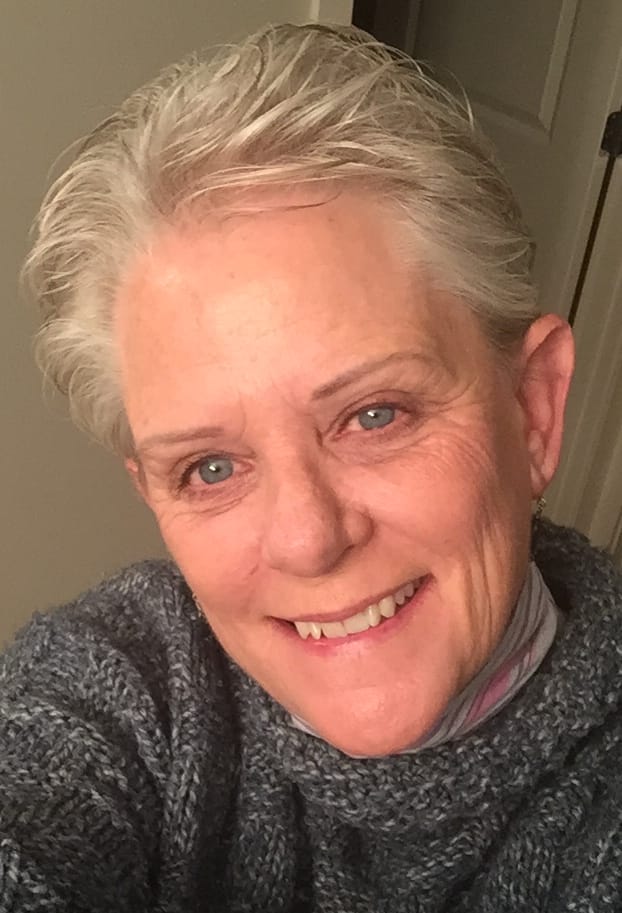
Donna Matuizek’s story begins in Oak Harbor, Washington, a small town on Whidbey Island. Growing up in the Pacific Northwest, she was naturally curious about how things work. That curiosity led her to study chemical technology at Seattle Central Community College and later earn a business management degree from the University of Phoenix.
Her career kicked off in the 1980s with a life-saving project—developing the first FDA-cleared HIV blood screening test. From there, she moved through some of the most important moments in biotech history. At Immunex, she helped approve a drug for cancer care. At Dendreon, she supported the first FDA-approved cell therapy for prostate cancer.
Donna is the kind of person who thrives in the background, building systems, leading inspections, and ensuring products are safe for patients. She’s worked in labs, run quality teams, and managed complex manufacturing sites on both coasts.
She once stepped away from biotech to open a small takeout restaurant—proof that creativity and structure can live side by side. She returned to the life sciences stronger than ever, guiding companies through FDA inspections and ISO certifications, even during the height of the COVID-19 pandemic.
Outside of work, Donna runs marathons, grows vegetables, joins book clubs, and cooks gourmet meals for her food club. She also cooks quarterly for a women’s shelter in Seattle.
She’s proof that a career built on details, consistency, and care can be just as powerful—and impactful—as any headline.
What is your typical day, and how do you make it productive?
I like structure, but I leave room for curiosity. Mornings start with coffee and a review of my priorities. I check in with team members early—communication up front saves time later. I make a habit of blocking time for deep work, usually late morning, when I’m most focused. Evenings are quieter: cooking, reading, or going for a walk.
How do you bring ideas to life?
I ask questions. Lots of them. Ideas are like recipes—they start with inspiration but only work with the right ingredients. I map things out, think through regulations, and talk to others who’ve solved similar problems. Sometimes I cook a new dish just to clear my mind and find connections.
What’s one trend that excites you?
I’m fascinated by the rise of personalized medicine. The idea that treatments can be custom-fit to your biology feels like the future we’ve been working toward for decades.
What is one habit that helps you be productive?
Writing things down—on paper. I still use notebooks. A physical checklist keeps me grounded, especially in high-pressure situations.
What advice would you give your younger self?
Trust your instincts earlier. You don’t need to be the loudest voice to be the most impactful.
Tell us something you believe almost nobody agrees with you on?
I believe audits can actually be enjoyable. If your systems are strong and your people are confident, audits are an opportunity to learn and grow.
What is the one thing you repeatedly do and recommend everyone else do?
Review your own work like you’re your harshest critic. I do internal “pre-audits” before any real one.
When you feel overwhelmed or unfocused, what do you do?
I garden. Digging in the dirt has a way of clearing mental clutter. It reminds me that growth takes time and care.
What is one strategy that has helped you grow your business or advance in your career?
Build teams that last. At Magnolia Medical, we kept over 95% of our QA staff during high-growth years. That kind of consistency only happens when you lead with empathy and listen often.
What is one failure in your career, how did you overcome it, and what lessons did you take away from it?
Early in my career, I rushed a review process to meet a deadline. A simple label error set everything back. I learned that doing it right the first time saves far more time than cutting corners ever will.
What is one business idea you’re willing to give away to our readers?
Someone should start a regulatory “escape room” training center. It’d be a fun way for teams to learn how to respond to high-stakes situations under pressure.
What is one piece of software that helps you be productive? How do you use it?
Trello. It’s simple, visual, and I use it to track projects, inspections, and personal goals.
Do you have a favorite book or podcast you’ve gotten a ton of value from and why?
Being Mortal by Atul Gawande. It changed how I think about the purpose of medicine—not just saving lives, but improving how we live.
What’s a movie or series you recently enjoyed and why?
The Bear on Hulu. It’s about food, chaos, and care. It reminded me of my short but intense time running a takeout kitchen.
Key learnings
- Building strong teams with trust and clarity can create long-term success—even under pressure.
- Consistent habits, like journaling or gardening, can support focus and mental clarity.
- Creative thinking often comes from mixing personal passions with professional skills.
- Great leadership is quiet, structured, and built on asking the right questions.
- Career growth depends not just on results, but on how you treat the people around you.