
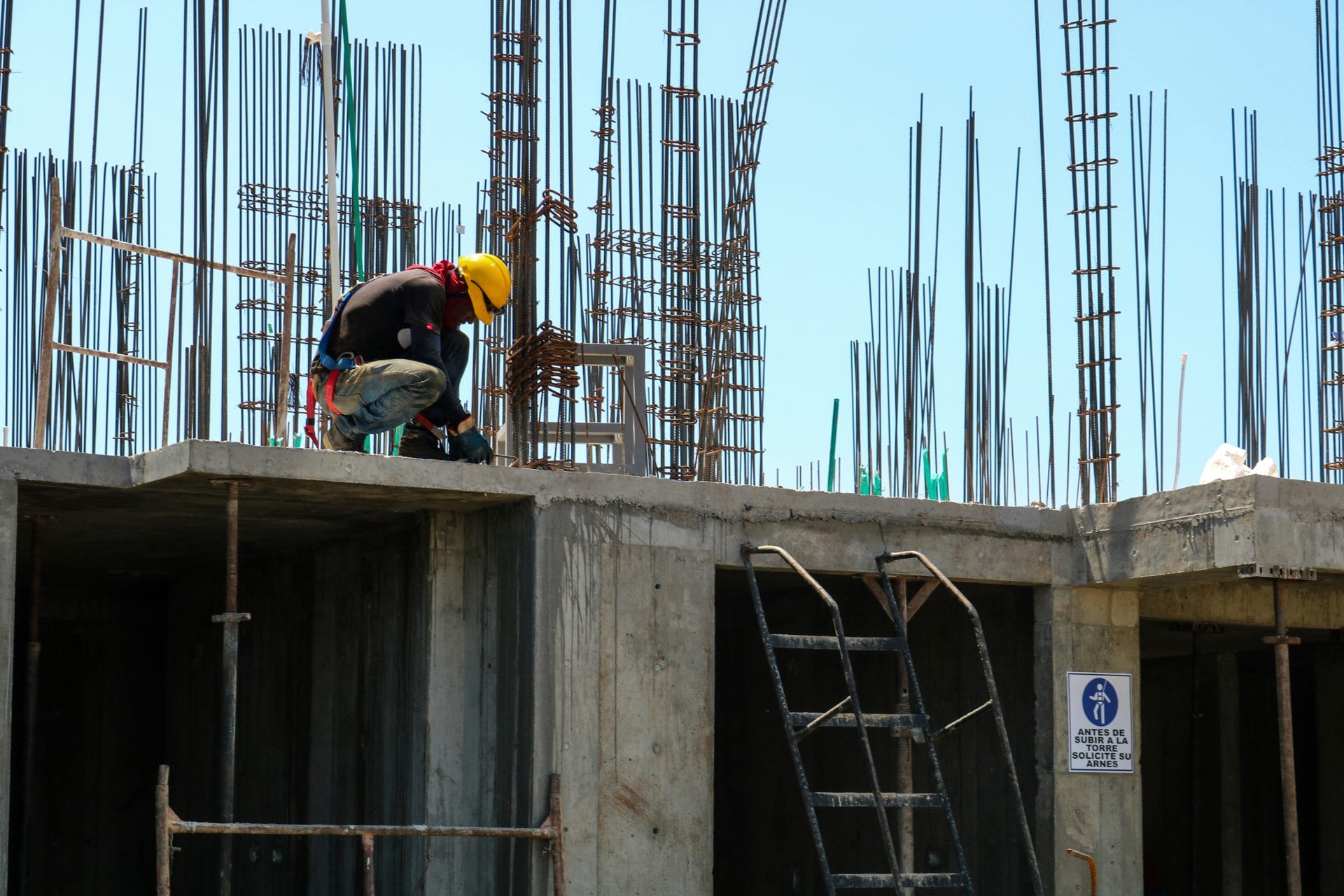
George Stanley didn’t grow up with plans to run his own company. He just believed in doing a good day’s work—and doing it right. That mindset led him to the construction industry, where he started from the bottom, learning every part of the job by being on the ground, hands-on.
He spent years in the field before launching George Stanley Paving, a company now known for reliable, high-quality work across driveways, parking lots, and city roads. George didn’t just hire crews—he worked with them. He walked the job sites, checked every detail, and made sure everything was done with care. “You do it once, and you do it right,” he says.
What sets George apart isn’t just skill. It’s how he leads. He believes in clear communication, accountability, and showing up. Whether it’s a small project or a municipal contract, he brings the same energy and focus to every job.
When he’s not working, George spends time with his classic cars, collects watches, and supports grassroots community causes. He believes in giving back and staying connected.
He also speaks up about the value of skilled trades and the need to support local infrastructure. “We can’t fix roads without people who know how to build them,” he says.
From humble beginnings to leading complex projects, George’s story is simple—but rare. He built something lasting, not just from concrete and asphalt, but from integrity, grit, and showing up every single day.
What is your typical day, and how do you make it productive?
I’ll go over the day’s schedule, check in on materials or deliveries, and make sure my crew knows what the expectations are. Then I’m out the door. Most days, I’m on-site by 7:00 a.m., walking jobs, solving problems, making sure everything lines up.
I try to stay hands-on. Productivity, to me, comes from presence. If you want something done right, you show up, ask questions, and lead from the front. I don’t sit in an office waiting for updates—I want to see the work as it happens.
How do you bring ideas to life?
Ideas don’t live in a vacuum. They come from the job site—from seeing something done wrong or inefficiently and thinking, “We can do better.” I take notes constantly, even if it’s just a scrap of paper in my pocket.
Then I test it. Whether it’s a new process for base prep or a way to streamline communication with subcontractors, I try it out small before applying it wide. My crew gives me honest feedback. That’s how you know if an idea is worth keeping.
What’s one trend that excites you?
I’m seeing more people talk about infrastructure—not just big highway projects, but neighborhood-level stuff. Sidewalks. Curbs. Storm drains. That excites me because it’s overdue.
There’s also a growing appreciation for skilled trades again. You can feel the shift. People are realizing that work like ours is essential—and not just when a pothole appears.
What is one habit that helps you be productive?
Walk the site. Every day. No matter how busy I get, I carve out time to walk each job we’re running.
It’s not just about supervision—it’s about spotting details others miss. Slope, drainage, compaction—you notice these things in person. I’ve prevented more mistakes by walking than by staring at spreadsheets.
What advice would you give your younger self?
Learn to slow down. Not the work—just your reactions. When I was younger, I’d get worked up when things went off schedule. Over time, I learned that staying calm under pressure is what keeps a job moving forward.
Also: take more pictures. Not just of finished projects, but of the people doing the work.
Tell us something you believe almost nobody agrees with you on?
Most mistakes don’t happen during the work. They happen before it starts—when planning is rushed, or assumptions get made.
People love to blame the weather or the crew. But I believe 80% of problems come from poor prep. That’s why I plan obsessively. If we lose time, I want to know exactly where.
What is the one thing you repeatedly do and recommend everyone else do?
Hold a 5-minute meeting with your team every morning. Doesn’t matter if it’s two people or twenty. Talk face-to-face. Lay out expectations. Ask questions.
It saves hours of confusion later.
When you feel overwhelmed or unfocused, what do you do?
I clean my truck. Sounds odd, but it works.
Organizing my space helps me organize my thoughts. It reminds me that I can take control—even when the job feels chaotic.
What is one strategy that has helped you grow your business or advance in your career?
Do the work no one else wants.
Early on, I took on jobs others turned down—uneven driveways, last-minute municipal patchwork, odd layouts. Those jobs weren’t easy, but they taught me how to adapt. They also earned me trust. People remember when you show up for the hard stuff.
What is one failure in your career, how did you overcome it, and what lessons did you take away from it?
Years ago, I rushed a commercial lot before a rainstorm. We thought we could beat the weather. We didn’t. Water pooled, edges cracked—it was a mess.
I owned it. Tore it out and redid it on my dime.
That job hurt financially, but it taught me to respect timing and conditions. Since then, I’ve never let urgency override quality.
What is one business idea you’re willing to give away to our readers?
Start a consulting service that helps homeowners vet contractors. Most people don’t know what to ask or what to look for. A simple checklist and 30-minute consult could save people thousands. You don’t have to do the work—just help them hire smarter.
What is one piece of software that helps you be productive? How do you use it?
I use Fieldwire. It lets me mark up site plans, assign tasks, and track job progress all from my phone. It keeps me connected when I’m bouncing between sites. I can send my crew updates in real time without endless calls.
Do you have a favorite book or podcast you’ve gotten a ton of value from and why?
The Soul of a New Machine by Tracy Kidder. It’s about engineers, not construction, but the mindset is familiar—solving complex problems under pressure, with limited resources. It reminded me that every job, no matter the field, runs on grit and decisions.
What’s a movie or series you recently enjoyed and why?
Rust Valley Restorers. It’s about classic car rebuilds, which I love, but it’s also about guys who are passionate about doing things right—even when it doesn’t make business sense. I relate to that struggle.
Key learnings
- Strong preparation prevents most job-site issues.
- Leading by example builds team trust and accountability.
- Daily walk-throughs and communication drive job quality.