
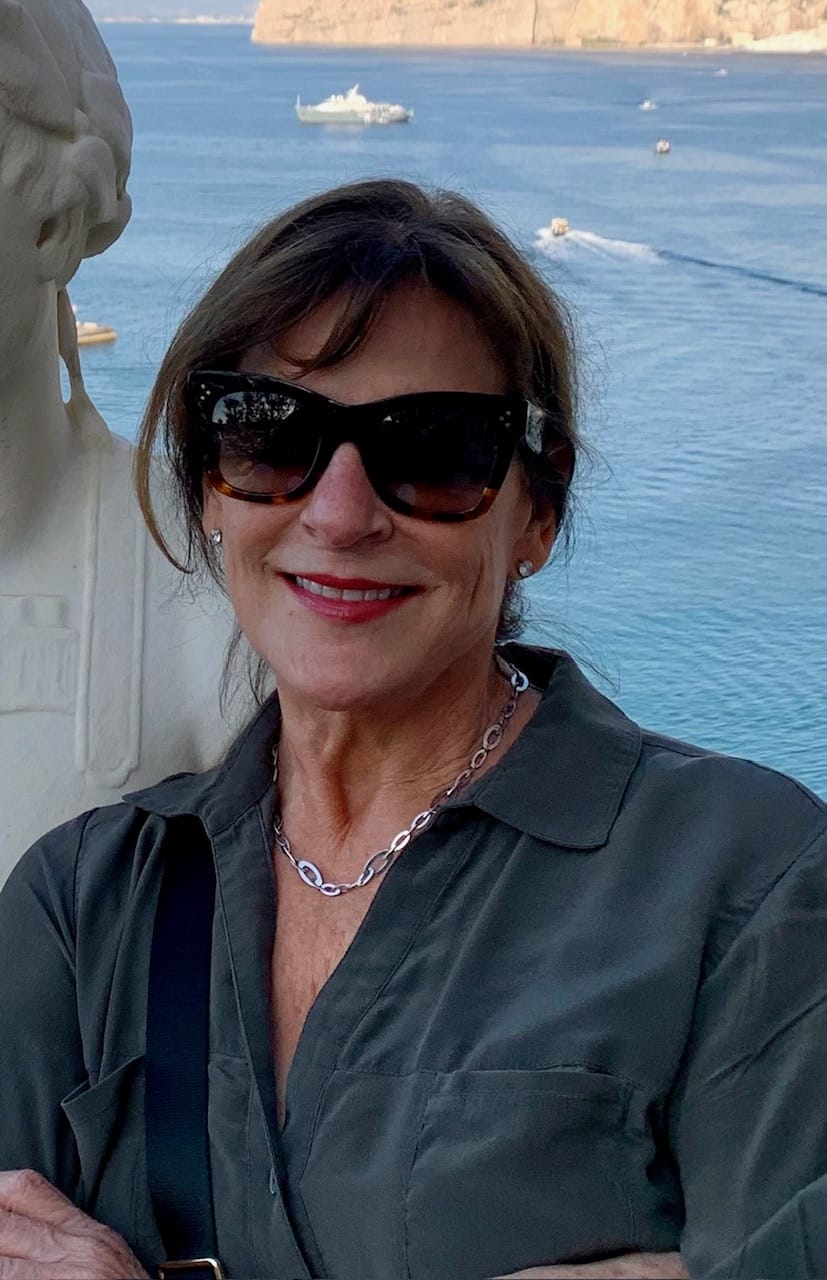
Georgette Kelsey has served as vice president of philanthropy with the National Charity League and as a board member of its Westside Chapter. She has coordinated volunteer staffing with nonprofits, including Operation Gratitude and the American Cancer Society (ACS), and has overseen marketing efforts promoting the ACS Life Achievement Awards. In addition, Georgette Kelsey has facilitated disaster relief event planning on behalf of the American Red Cross.
For two decades, Ms. Kelsey led a Los Angeles event creation and development enterprise, organizing well-attended events that included theme parties, fashion shows, and art exhibits. She also coordinated paddle tennis and tennis tournaments and excelled in bringing pro athletes and celebrities together in exhibition matches.
Focusing on community, Ms. Kelsey has been active with the World Affairs Council and the University Club of Santa Barbara. She also held memberships in the Marina City Club, Beverly Hills Country Club, and the Los Angeles Athletic Club. A wine enthusiast, she has completed courses with the International Sommelier Guild and earned an enology certification from the Court of Masters Sommeliers. Ms. Kelsey is an avid tennis and pickleball player with experience running marathons.
What is your typical day, and how do you make it productive?
My usual day will include looking over my notes from the previous evening about what I would like to accomplish the next day and week. I wake up by 6:15 am or earlier so I can get a strong head start. Although I used to think that multitasking allowed me to accomplish many things at once. It was just an illusion, and it didn’t take long to figure out that I had many partially completed tasks but few in total. My routine will start with checking into my various brokerage accounts and plan my financial strategies. I always keep an active portfolio, and I begin researching recent developments and how they effect my positions. I will continue my day reviewing each of my goals and tasks based on their priorities and timeframes, including checking in on the many interesting and gratifying philanthropies that interest me. I also break down my goals and tasks into timeframes based on their importance and time necessary to complete.
How do you bring ideas to life?
I research both qualitatively and quantitatively my ideas (which are always written down) so I can better understand the purpose, the persons in control of decision-making positions, and possible outcomes. Setting timely goals and developing a plan is crucial for me to move forward productively. Early on, I will ask for honest feedback from trusted people to help with clarification and record their initial reaction for refinement.
What’s one trend that excites you?
The obvious and decidedly most life-changing is automated intelligence. AI will have the ability to think quicker, smarter, and make decisions based on its own deductions and self-learning capabilities. I am amazed by its critical thinking and emotional intelligence. A nonprofit can optimize productivity for mission-specific work by automating administrative tasks and predicting fundraising through identifying potential donors and analysis of sentiment by scanning social media and other review monitoring.
What is one habit that helps you be productive?
I get rid of all distractions, both visual and audible. I start with structured time away from everyone and everything, then I can begin by tackling and addressing my most important task on my list. I like to make progress on what truly matters before the day gets interrupted with emails, texts, and other people’s priorities. Once I have worked on my most important task, it builds momentum to keep things going. I try to begin this process early in the day while I am fresh and energetic. At the end of each day, write down the one most important task for tomorrow.
What advice would you give your younger self?
Write it down, you’ll forget! Listen carefully, let people help you, don’t strive for perfection on everything. Begin healthy habits early in life.
Tell us something you believe almost nobody agrees with you on?
Happiness isn’t that important and passions are learned and not discovered. Not happiness as a goal, but happiness as a byproduct.
Integrity – living aligned with one’s values, even when it hurts.
Truth – wanting honesty over comfort.
Connection – not just joy, but depth, even if it includes pain.
Meaning – something lasting or purposeful, not just pleasurable.
Maybe what we really want—for ourselves or for others—is something like aliveness, wholeness, or those vivid sparks of joy that come unforced.
What is the one thing you repeatedly do and recommend everyone else do?
Play pickleball! LOL. It is a joyful game that is rooted in movement, laughter, connection, and friendly rivalry.
When you feel overwhelmed or unfocused, what do you do?
I write all of my intruding thoughts down on a “To Don’t list…” Writing them down stops the mental clutter and stress of “what am I forgetting?”
Creating a visual map of what needs to be done. It helps you prioritize. During the times that I am most overwhelmed, I will break down my tasks into tiny steps so I must pay attention to the path I need to follow.
What is one strategy that has helped you grow your business or advance in your career?
I often set aside targeted, scheduled time to make several contacts and appointments. Remaining relevant to these contacts while maintaining my relationships. Often, I will discover new relationships and possible connections.
What is one failure in your career, how did you overcome it, and what lessons did you take away from it?
Underestimated the time it would take to finish a project before the deadline. I was clearly falling behind. When I realized that there was no way to make up the time, I went into damage control by communicating a complete update with the team leaders and I took responsibility for the delay. I learned that transparency builds trust and that bad news only gets worse with silence. The client appreciated honesty and transparency more than perfection.
What is one business idea you’re willing to give away to our readers?
People spend lifetimes building knowledge, values, and stories—but most of it vanishes when they die. I would really like to create a nonprofit built on capturing the wisdom and the legacies of people before their life ends. Death and dying have been topics that most are afraid to discuss, especially if it is imminent. During healthier or younger days would be a good time to start a documentation of one’s life. Perhaps along with that photo album goes a story album to capture your loved one’s life, filled with their stories and cherished values.
What is one piece of software that helps you be productive? How do you use it?
Voice capturing may be annoying sometimes, but I find reminders imperative during extremely busy times. Prioritizing is key but having Alexa or Siri connected with Todoist really helps; if I have allowed this small interruption, then it is really worth the intrusion. I also like to catch my ideas before they vanish… It’s much faster than typing or writing, and it works when my hands are busy. The more I can store information into an external system, I can reduce some of the mental clutter of juggling reminders.
Do you have a favorite book or podcast you’ve gotten a ton of value from and why?
The 7 Habits of Highly Effective People was a major influence to me at the beginning of my career life. I took away many effective responses to situations that promote emotional intelligence, personal growth, and character ethic. I learned about taking responsibility for one’s reaction to one’s own experiences, taking the initiative to respond positively and improve the situation. “Begin with the end in mind,” which is a personal mission statement and particularly helpful with understanding how people make important life decisions.
What’s a movie or series you recently enjoyed and why?
I found myself strangely compelled to keep watching Squid Games, of which I knew nothing about beforehand. It shocked me at first, even turned me off, but the way it mirrored reality, humanity, and social dilemmas kept me viewing the series. Every episode involved moral choices accompanied by individual personal advantages. The more shame and hopelessness an individual had, the more risk they were willing to take for wealth, dignity, and comfort. No matter the part of the world you are from, we all share the same human traits, including, trust, fairness, survival instinct, and greed. Each episode had its own life lesson opaquely revealed.
Key learnings
- Openness and honesty can enable opportunities and acceptance.
- Quick thinking and adaptability are key in challenging situations.
- Prioritize important tasks and focus on what you can control. Be proactive.