
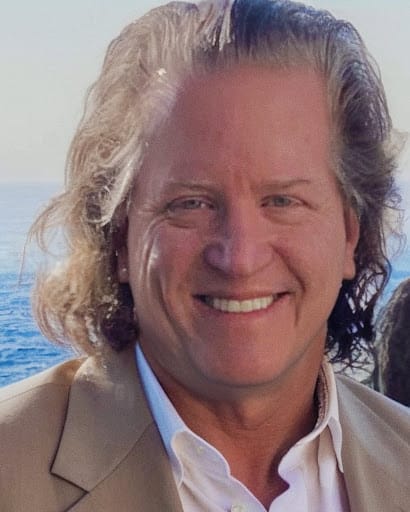
Henry Mauriss is a Los Angeles-based media executive, entrepreneur, and philanthropist. With over 25 years of experience in consumer marketing, branding, and broadcasting, he has built a career on innovation and efficiency. As CEO of ClearTV, he has transformed out-of-home television by delivering diverse, engaging content to millions of people in airports, healthcare facilities, and transportation hubs across the U.S. and internationally.
Beyond business, Mauriss is deeply committed to philanthropy. He is currently founding Joshua’s Collective, a nonprofit focused on tackling California’s homelessness crisis. The initiative goes beyond providing temporary shelter by addressing the deeper issues of mental health, addiction, and unemployment, helping people transition back into society with job training and long-term support. His approach is rooted in financial discipline and data-driven decision-making to create sustainable, impactful change.
This interview explores Mauriss’ mindset, strategies, and philosophies that have helped him succeed in both business and philanthropy.
What is your typical day, and how do you make it productive?
I wake up early and spend the first hour of my day thinking through priorities. I don’t start with emails—I start with strategy. Once I have a clear plan, I move into execution. My day is usually split between managing ClearTV’s media operations and working on Joshua’s Collective. I rely on structured time blocks, ensuring meetings don’t take over my schedule. Productivity, for me, comes from knowing what truly moves the needle and focusing on that.
How do you bring ideas to life?
I start with data. Whether in business or philanthropy, I want to know the facts before making decisions. Then, I look at execution—what’s the simplest, most direct way to test an idea? I believe in launching quickly, learning from real-world results, and refining as needed. ClearTV evolved this way. Joshua’s Collective is being formed from a similar exercise. Perfection isn’t the goal—progress is.
What’s one trend that excites you?
The integration of digital media with physical spaces. People don’t consume content the way they used to. With mobile devices and streaming, media consumption is more fluid than ever. ClearTV’s model has evolved to follow that trend, allowing people to take content with them. The line between traditional broadcasting and digital engagement is disappearing, and that’s exciting.
What is one habit that helps you be productive?
I minimize distractions. I don’t let my day get hijacked by emails or calls that aren’t urgent. Every task has its place. I also delegate effectively—trying to do everything yourself is a mistake. The more you trust your team, the more you can focus on high-level strategy.
What advice would you give your younger self?
Take calculated risks earlier. I’ve always been methodical, but sometimes, overanalyzing keeps you from seizing an opportunity. Looking back, I’d remind myself that failure isn’t fatal—it’s feedback.
Tell us something you believe almost nobody agrees with you on?
Money isn’t the problem in homelessness. California has spent billions, and the crisis has only gotten worse. The real problem is how resources are allocated. Homelessness isn’t just a housing issue—it’s a cost-of-living, addiction, employment, and in some cases, a mental issue. If we don’t address those, no amount of funding will fix the problem. California has proven that.
What is the one thing you repeatedly do and recommend everyone else do?
Think in terms of systems, not just tasks. Whether you’re running a business or a nonprofit, it’s not about working harder—it’s about creating repeatable systems that make things work efficiently. Every successful organization runs on structure.
When you feel overwhelmed or unfocused, what do you do?
I take a step back. If I’m feeling stuck, I stop working and go for a walk or switch to something completely different. Often, solutions come when you’re not forcing them. Clarity comes from space, not pressure. More than anything, it comes from waiting on, and listening for, God’s guidance; it never leads you astray.
What is one strategy that has helped you grow your business or advance in your career?
I don’t follow trends for the sake of following trends. I look at where real opportunities exist, not just where the hype is. Many businesses fail because they chase what’s popular instead of what’s sustainable. I focus on fundamentals and long-term impact.
What is one failure in your career, how did you overcome it, and what lessons did you take away from it?
Early in my career, I made an investment based on the advice and insistence of someone I trusted, rather than my own diligence and research. It failed. I lost money and time, but I learned a critical lesson: always validate ideas with data. Since then, I’ve relied on facts and testing before making big moves.
What is one business idea you’re willing to give away to our readers?
A platform that connects out-of-home advertising directly with digital engagement in real time. Advertisers want to know not just who saw an ad, but who interacted with it later. The tech exists—someone just needs to refine it.
What is one piece of software that helps you be productive? How do you use it?
Slack. It streamlines communication and eliminates unnecessary meetings. My teams use it to keep everything moving in real time without disrupting focus.
Do you have a favorite book or podcast you’ve gotten a ton of value from and why?
“The Hard Thing About Hard Things” by Ben Horowitz. It’s a no-nonsense take on leadership and decision-making. It’s about solving problems, not avoiding them. Also, “Shoedog” by Phil Knight. Every entrepreneur should read them.
What’s a movie or series you recently enjoyed and why?
I recently rewatched “The Founder,” the story of Ray Kroc and McDonald’s. It’s a fascinating look at vision, execution, and business ethics. Whether you admire him or not, it’s a powerful lesson on scaling an idea.
Key learnings
- Focus on systems, not just tasks. Success comes from building repeatable processes, not just working harder.
- Validate ideas with data before committing. Whether in business or philanthropy, the right information leads to better decisions.
- Real change requires long-term thinking. Whether it’s media, advertising, or homelessness, quick fixes rarely solve big problems.