
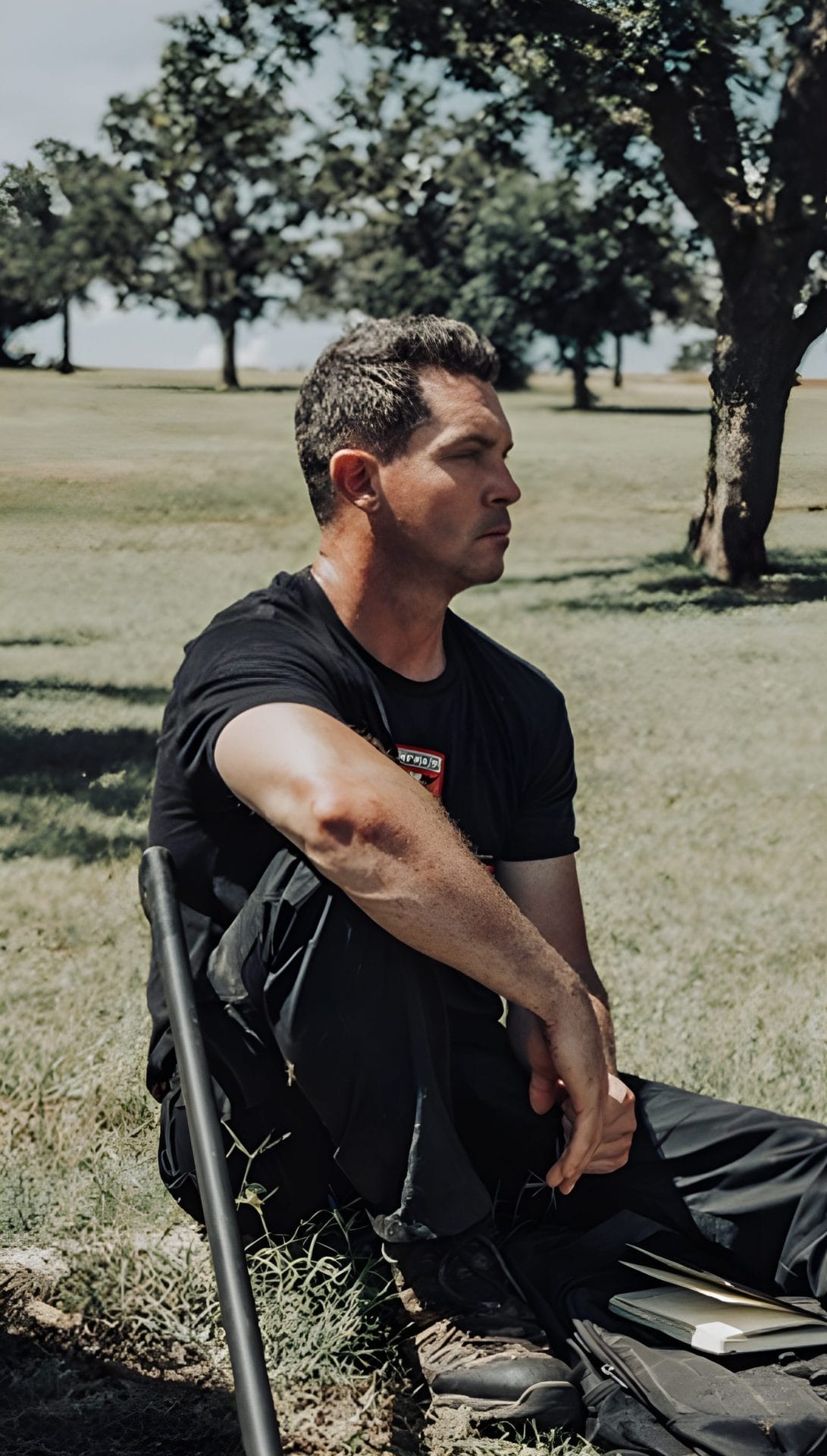
Houston McDowell grew up in Memphis, Tennessee. He was raised by his parents, Gary and Mary McDowell, along with his younger sister, Farris. As a kid, he loved sports. He played high school soccer, joined travel soccer teams, and competed in the Olympic Development Program.
After high school, Houston attended the University of Tennessee. He played on the men’s soccer team and became team captain his junior and senior years. He also boxed as an amateur during college. Sports taught him leadership and toughness.
Houston started his career at Stryker Endoscopy, then moved to Arthrex Sports Medicine. There, he became a top sales rep and earned multiple awards. He even served on the company’s national advisory board. In 2021, he took a leap and started his own business, ProCure Health, focusing on advanced wound care. Although it ended in a tough business breakup, he saw it as a chance to grow. That experience led him to Restorative Biologics, where he now works as VP of Sales.
Outside of work, Houston loves hiking, camping, wake surfing, and traveling with his family and friends. He also gives back by sponsoring the Mid South Junior Golf Tour and donating to Fable Farms Animal Sanctuary.
Houston co-hosts a podcast called The Lighthouse Freedom Project. He is proud of his son, Hudson, who has won back-to-back state golf championships.
Through every twist and turn, Houston has kept his focus on strong values—family, persistence, and putting others first. His story proves that success comes from resilience and heart.
What is your typical day, and how do you make it productive?
My day starts early. I usually wake up around 5:30 AM, a habit I picked up from my grandfather, who taught me the importance of starting strong. My mornings are calm and centered—I begin with black coffee and a short hike or walk near the lake when possible. It’s my time to reflect and think through the day ahead.
I prefer to organize my work around clear priorities. Each morning, I list the top three goals for the day. As VP of Sales for Restorative Biologics, much of my time goes toward leading meetings, mentoring sales reps, and speaking with doctors about advanced biologics and wound care. To stay focused, I block time for deep work and avoid multitasking.
How do you bring ideas to life?
I rely on direct experience. I believe that ideas aren’t born in boardrooms but in the field. Much of my success comes from observing patient outcomes firsthand and listening carefully to both surgeons and patients. I believe every solution must solve a real problem. I journal regularly, sketching out ideas after meetings or during long hikes, which often sparks fresh thinking.
What’s one trend that excites you?
I’m fascinated by regenerative medicine, particularly how biologics are changing wound care. I closely follow research on tissue grafts and cellular therapy, believing they could reduce surgeries in the future. I see these technologies as the future of orthopedics and recovery.
What is one habit that helps you be productive?
I keep a daily written planner—not digital—and use it to track wins and lessons from every day. This habit helps me spot patterns and avoid repeating mistakes.
What advice would you give your younger self?
“Don’t ignore the fine print.” My experience with a failed business partnership taught me to be thorough. I would remind my younger self that trust in business is earned slowly, and agreements should always be reviewed carefully.
Tell us something you believe almost nobody agrees with you on?
I firmly believe that some business losses are worth it if it means preserving personal integrity. I once walked away from a profitable deal because it would’ve compromised my values. I say, “You can always rebuild money, but it’s hard to rebuild trust in yourself.”
What is the one thing you repeatedly do and recommend everyone else do?
I recommend journaling, especially during hard seasons. When my previous business dissolved, I journaled daily to process the events. It helped me separate facts from feelings and find clarity.
When you feel overwhelmed or unfocused, what do you do?
I head to the water. Wake surfing on the lake is my reset button. If that isn’t possible, I go on a long hike, often with no phone, to clear my mind.
What is one strategy that has helped you grow your business or advance in your career?
I build personal connections before pitching anything. My best client relationships started through genuine conversations about their lives, not products. I also emphasize consistent follow-up—never letting a conversation end without a clear next step.
What is one failure in your career, how did you overcome it, and what lessons did you take away from it?
My biggest failure was the collapse of my previous company, ProCure Health. A former business partner betrayed my trust, and legal issues followed. It took me nearly 18 months to untangle the mess. I overcame it by focusing on my family, seeking good legal advice, and reminding myself that setbacks are temporary. I now approach partnerships much more cautiously.
What is one business idea you’re willing to give away to our readers?
I suggest creating a mobile wound-care unit that travels to rural areas to serve patients who can’t easily access advanced treatments. I believe there’s huge potential in blending telemedicine with hands-on biologic care.
What is one piece of software that helps you be productive? How do you use it?
I use a simple voice memo app to record thoughts and ideas on the go. I often review these recordings at night to identify useful insights.
Do you have a favorite book or podcast you’ve gotten a ton of value from and why?
I co-host The Lighthouse Freedom Project podcast and also enjoy listening to The Tim Ferriss Show for its practical advice and in-depth interviews.
What’s a movie or series you recently enjoyed and why?
I enjoyed The Bear for its honest look at small business struggles, leadership, and personal growth. I appreciated its rawness and relatable moments of rebuilding after setbacks.
Key learnings
- Journaling is a simple but powerful tool for finding clarity, especially during tough times.
- Personal integrity often matters more than short-term financial wins.
- Building deep personal connections can drive long-term business growth.
- Time outdoors—whether wake surfing or hiking—can reset focus and reduce stress.
- Business failures, while painful, can lead to unexpected personal and professional growth.