
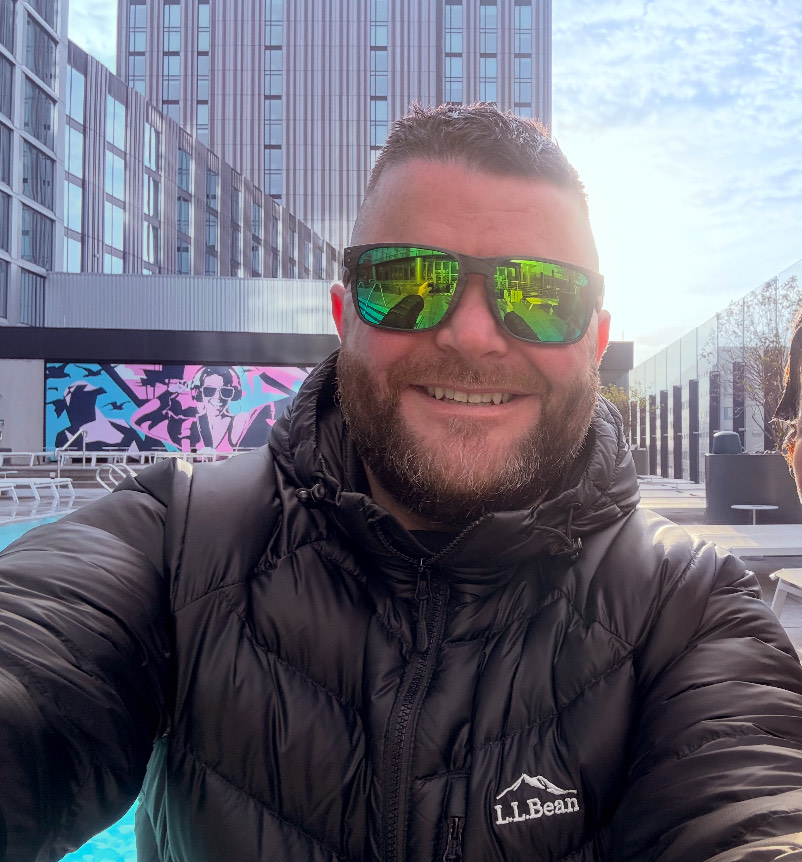
Ian Farley grew up in Chelmsford, Massachusetts, where he spent much of his childhood outdoors. He played sports in high school and learned early the value of routine, effort, and teamwork. Those early habits shaped the way he approaches both work and life.
After finishing school, Ian chose a career path that kept him close to the natural world. He began working in land and resource management, where his days were spent balancing safety, public access, and environmental care. The work was practical and hands-on. It taught him how small decisions can have lasting effects.
Ian later moved into wildlife and fisheries management. This role required patience and long-term thinking. Managing natural systems meant learning to respect timing, data, and limits. It also strengthened his ability to work calmly under pressure.
Over time, Ian transitioned into operations and management roles within regulated environments. He now leads teams, oversees complex projects, and ensures work is done safely and responsibly. His leadership style is steady and grounded. He believes trust is built through consistency, not words.
Outside of work, Ian enjoys skiing in the winter and camping and golfing when the weather warms. These activities give him space to think and reset. They also reflect his belief that preparation and balance matter.
Ian Farley’s journey shows how showing up, learning the basics, and staying reliable over time can quietly shape a meaningful career.
What is your typical day, and how do you make it productive?
My day starts early. I review priorities before anything else. I like to know what must be done and what can wait. Most of my work involves coordinating people and managing moving parts. I try to spend time in the field when possible. Seeing things firsthand keeps decisions practical.
How do you bring ideas to life?
I usually start small. I write things down. Then I test the idea in real conditions. If it works on a small scale, I build from there. Ideas need structure to survive.
What’s one trend that excites you?
I like seeing more focus on long-term planning. Especially in infrastructure and land management. Short-term thinking creates bigger problems later.
What is one habit that helps you be productive?
Preparation. I plan the next day before I leave work. It clears my head.
What advice would you give your younger self?
Be patient. Learn the basics well. Titles come later.
Tell us something you believe almost nobody agrees with you on?
Most problems are caused by rushing. Slowing down often saves time.
What is the one thing you repeatedly do and recommend everyone else do?
Spend time understanding how things actually work on the ground.
When you feel overwhelmed or unfocused, what do you do?
I go outside. Even a short walk helps reset my thinking.
What is one strategy that has helped you grow your business or advance in your career?
Taking field roles seriously. They taught me credibility.
What is one failure in your career, how did you overcome it, and what lessons did you take away from it?
Early on, I took on too much at once. Quality suffered. I learned to pace work and ask for help.
What is one business idea you’re willing to give away to our readers?
Peer mentoring groups for field workers. Experience is often lost.
What is one piece of software that helps you be productive? How do you use it?
Simple task management tools. Lists keep me focused.
Do you have a favorite book or podcast you’ve gotten a ton of value from and why?
Books on leadership and systems thinking. They help with perspective.
What’s a movie or series you recently enjoyed and why?
Documentaries about nature and engineering. They remind me why details matter.
Key learnings
- Consistency and preparation build trust over time.
- Field experience strengthens leadership decisions.
- Long-term thinking reduces risk and complexity.
- Slowing down often leads to better outcomes.
- Small habits shape meaningful careers.