
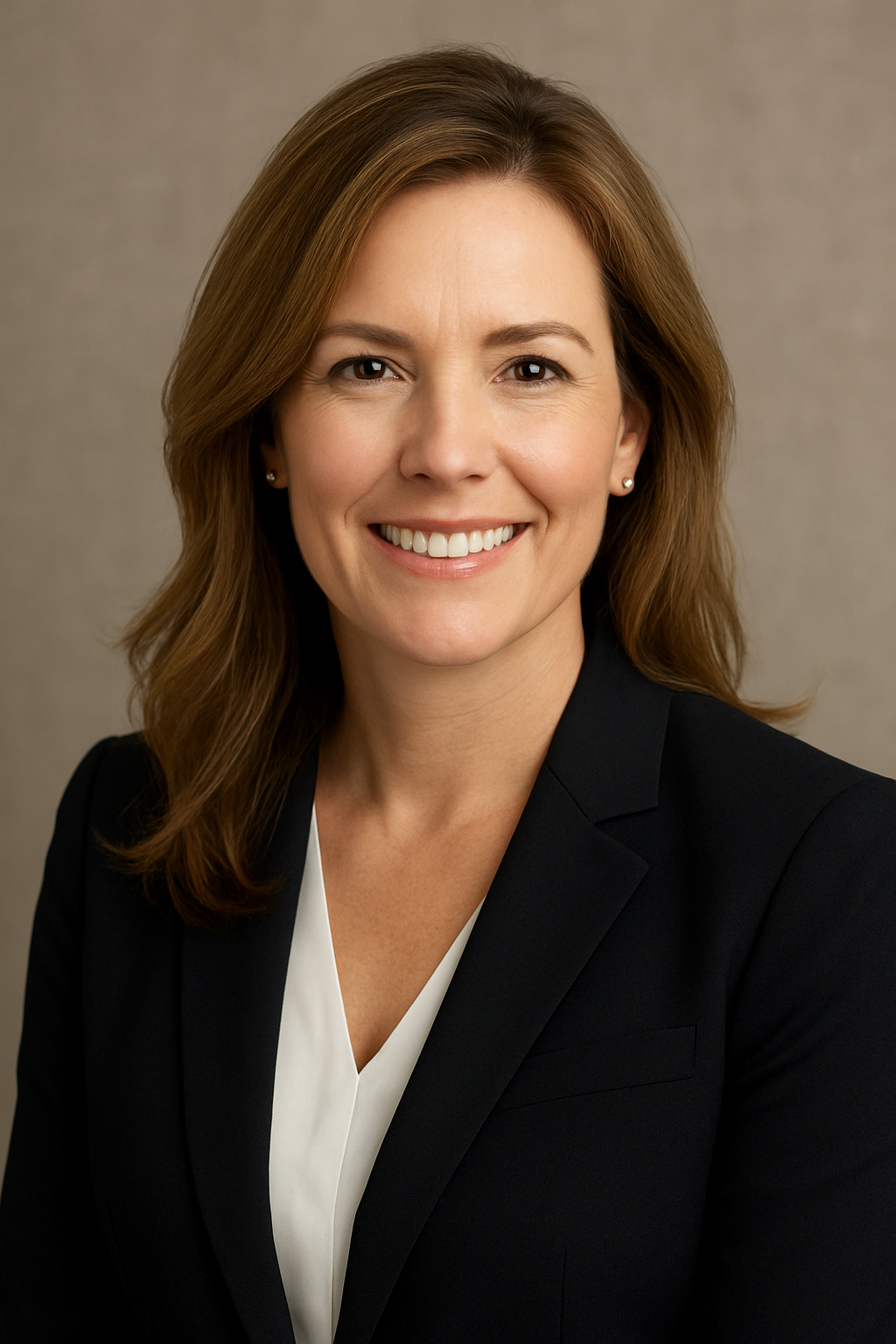
Jacque Cook is a multidisciplinary artist based in Argyle, Texas, whose creative path has unfolded slowly and meaningfully over the years. Her journey began with simple curiosity. As a young adult, she found herself drawn to clay — not for any formal reason, but because she liked how it pushed back when she pressed into it. That early fascination with texture grew into a lasting love for pottery, sculpture, and later, painting.
Over time, Jacque discovered that art became her way of processing the world. The wide skies and open fields of North Texas shaped her sense of form and emotion. She learned to work with what nature offered — cracked clay, uneven glazes, shifting colors — and saw beauty in the imperfections. “Clay never lies,” she often says. “It records every choice you make.”
Her career evolved as people began connecting with her work. Exhibitions and commissions followed, but Jacque kept her focus on authenticity. She expanded into community projects, teaching workshops and mentoring new artists. She believes art isn’t reserved for the few; it’s something everyone can access.
Today, Jacque is known for blending traditional craftsmanship with modern creativity, creating pieces that feel both grounded and expressive. Her life and work reflect the idea that creativity thrives in everyday moments — and that meaningful things grow when you stay curious, stay open, and keep making.
What is your typical day, and how do you make it productive?
My days start slowly. I like quiet mornings because they set the tone for my work. I walk outside, look at the sky, and check how the light falls across the fields. Then I head into the studio. I don’t force creativity first thing. Instead, I warm up by cleaning tools, wedging clay, or layering base coats on canvases. These simple tasks get my hands moving and clear my mind. Productivity, for me, comes from rhythm, not rush.
How do you bring ideas to life?
Most of my ideas come from texture or emotion. I might run my hand over cracked earth on a trail or notice a pattern in weathered wood. I sketch loosely, but I rely more on feel than strict plans. Sometimes a piece changes direction halfway through. I let it. “Art grows the way it wants,” I always tell my students.
What’s one trend that excites you?
I love the shift toward community-based art. People want shared experiences again — workshops, murals, group projects. It reminds me that creativity can be a collective act, not just a solo one.
What is one habit that helps you be productive?
I finish something small every day. Even if it’s a test glaze or a five-minute sketch, it keeps momentum going. Small wins build bigger ones.
What advice would you give your younger self?
Stop rushing to figure everything out. Curiosity is enough. The rest unfolds as you work.
Tell us something you believe almost nobody agrees with you on?
I believe mistakes are the best collaborators. Most people try to avoid them, but I rely on them. A crack, a drip, or a collapsed pot can spark a better idea than perfection ever could.
What is the one thing you repeatedly do and recommend everyone else do?
Step away from your work before you think you need to. A ten-minute break can change how you see everything.
When you feel overwhelmed or unfocused, what do you do?
I go outside and touch the ground — literally. Clay, dirt, grass, whatever is there. It reminds me to return to the basics. Nature resets my mind faster than any notebook.
What is one strategy that has helped you grow your business or advance in your career?
Listening. When I take commissions or lead community projects, I ask people what they’re feeling, not what they want the piece to “look like.” Emotion guides design. It builds trust, and trust builds opportunities.
What is one failure in your career, how did you overcome it, and what lessons did you take away from it?
Years ago, a large sculpture I was working on collapsed during firing. I had spent weeks on it. Instead of remaking it the same way, I studied the break. The fractured shapes inspired an entire series that became one of my most requested collections. That taught me the value of adapting rather than restarting.
What is one business idea you’re willing to give away to our readers?
Studios should host “process nights” where people bring unfinished projects and talk through them. Not critiques — conversations. People connect more deeply when they share the messy middle, not just the polished end.
What is one piece of software that helps you be productive? How do you use it?
I use a simple digital notebook app. I track glaze formulas, drying times, and texture experiments. It’s not fancy, but it keeps my creative chaos organized.
Do you have a favorite book or podcast you’ve gotten a ton of value from and why?
I return often to books about Japanese pottery traditions. They focus on humility and the quiet beauty in everyday objects. That mindset keeps me grounded.
What’s a movie or series you recently enjoyed and why?
I loved a documentary on stone carving. The slow pace, the sound of tools, the patience — it felt familiar. It reminded me why I chose a tactile life.
Key learnings
- Creativity grows through steady routines and small daily actions.
- Openness to mistakes can lead to unexpected breakthroughs in both art and business.
- Emotional listening strengthens client relationships and supports long-term career growth.
- Slowing down and stepping away at the right time increases clarity and focus.
- Community-based creativity fosters connection, learning, and shared meaning.