
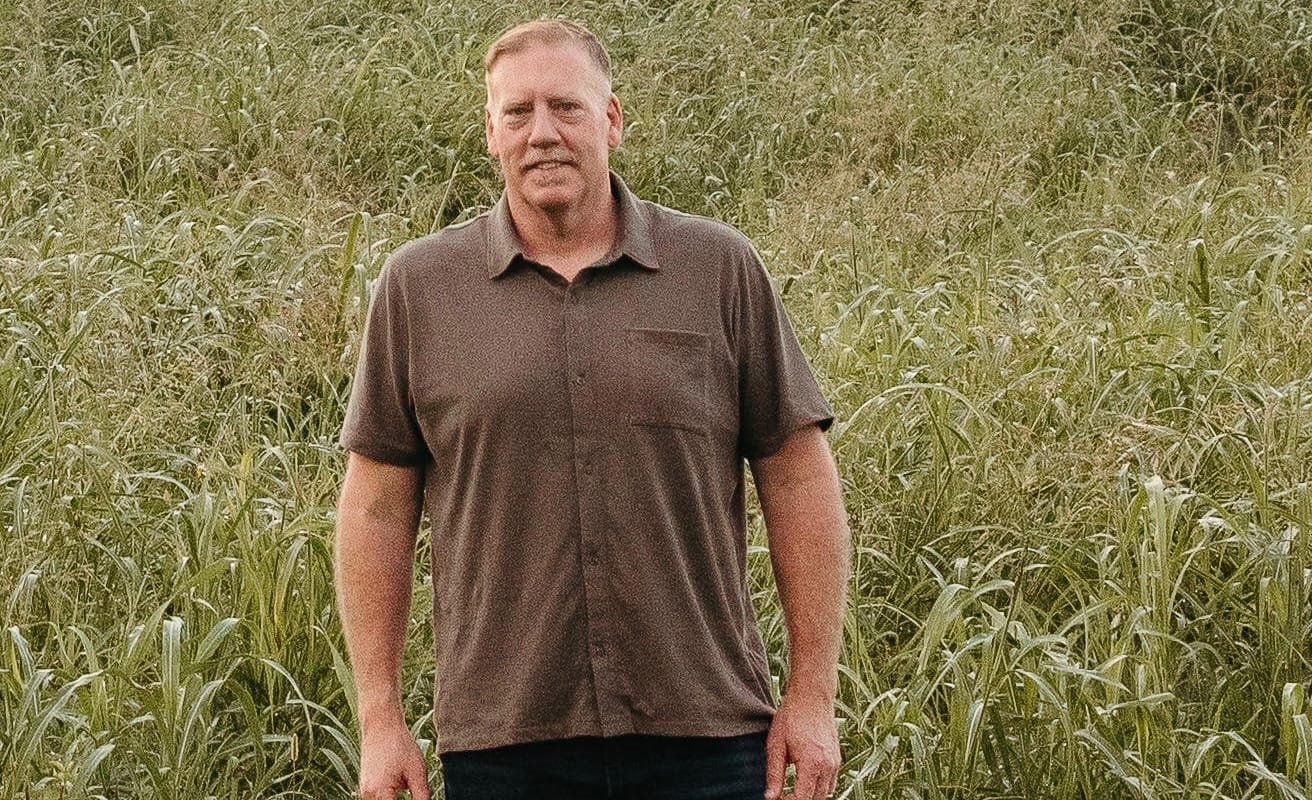
James Brady Washburn’s story is one of grit, movement, and purpose. Born into a football family, he grew up surrounded by the game’s energy and discipline. His father, Jim Washburn, coached in the NFL, and his brother, Jeremiah, now coaches for the Philadelphia Eagles. Football was not just a sport in his household—it was a way of life.
Frequent moves in his childhood taught Brady how to adapt quickly, but it was in Fayetteville, Arkansas, where he truly made his mark. As a high school player, he earned the title of Gatorade Player of the Year for Arkansas in 1998, a recognition of his hard work and natural talent.
Brady began his college career at Clemson University, competing from 1998 to 2000, before transferring to Appalachian State University, where he played until 2002. He later completed his education at Lipscomb University, earning a Bachelor of Business Administration in 2007. The lessons from football—teamwork, resilience, and focus—became the foundation for his next chapter.
Today, Brady is the CEO of Mid South Wound LLC, leading a company dedicated to delivering high-quality wound care. His work blends business strategy with compassion, serving patients who often face serious challenges.
Away from the office, Brady’s greatest pride is his role as a father to four children. His son, Cash, follows in the family’s football footsteps as a standout high school player. Whether on the field, in the boardroom, or at home, Brady’s life reflects the same values—commitment, adaptability, and heart.
What is your typical day, and how do you make it productive?
Brady’s mornings start early, often before sunrise, with time carved out for quiet planning. He uses this time to review patient care updates, operational reports, and staffing schedules for Mid South Wound LLC. By tackling the most important tasks first, he frees up the rest of the day for problem-solving and connecting with his team. Afternoons often involve site visits, partner meetings, or reviewing new service opportunities. He ends the day with time devoted to his four children, making that non-negotiable in his schedule.
How do you bring ideas to life?
He starts with listening—whether it’s to patients, staff, or partners. From there, he sketches a simple framework: What problem are we solving? What resources are needed? Who is best equipped to execute? Once the concept is clear, he tests it in a small pilot program before committing company-wide.
What’s one trend that excites you?
Brady is especially interested in the integration of portable diagnostic technology in wound care. The ability to monitor healing progress remotely can reduce hospital visits and improve outcomes.
What is one habit that helps you be productive?
Blocking time for “uninterrupted focus work” each morning. This comes from his athlete days, where practice sessions had no distractions.
What advice would you give your younger self?
“Your pace is not the only pace that works. Slow down when it means listening better.”
Tell us something you believe almost nobody agrees with you on?
That sports-style practice plans can be applied to business. He often uses weekly “drills” in the company—short, repetitive exercises to improve specific operational skills.
What is the one thing you repeatedly do and recommend everyone else do?
Debrief after any project, win or lose. “Even if it went well, there’s something to improve.”
When you feel overwhelmed or unfocused, what do you do?
He takes 20 minutes to throw a football with his son or go for a short walk. Physical movement clears mental clutter.
What is one strategy that has helped you grow your business or advance in your career?
Recruiting talent like a sports coach. He looks for people who fit the culture and can adapt under pressure, not just those with a perfect résumé.
What is one failure in your career, how did you overcome it, and what lessons did you take away from it?
Early in his healthcare leadership, he underestimated the time needed to train staff on new software. This led to delays in reporting and patient follow-ups. He overcame it by breaking training into smaller, focused sessions over several weeks instead of cramming it into one. The lesson: rollout speed should never outpace learning speed.
What is one business idea you’re willing to give away to our readers?
A subscription-based wound care education platform for caregivers, with short, scenario-based videos.
What is one piece of software that helps you be productive? How do you use it?
Trello. He uses it to track operational projects across multiple locations, ensuring visibility for everyone involved.
Do you have a favorite book or podcast you’ve gotten a ton of value from and why?
He recommends The Score Takes Care of Itself by Bill Walsh for its lessons on leadership and preparation.
What’s a movie or series you recently enjoyed and why?
He enjoyed Quarterback on Netflix, which captures the mental and physical demands of leadership under pressure.
Key learnings
- Applying sports training principles to business can improve team performance.
- Rolling out new systems requires aligning training speed with learning capacity.
- Recruiting for adaptability and cultural fit builds long-term stability.
- Physical activity, even in short bursts, can restore focus and energy.
- Small pilot programs reduce risk before scaling new initiatives.