
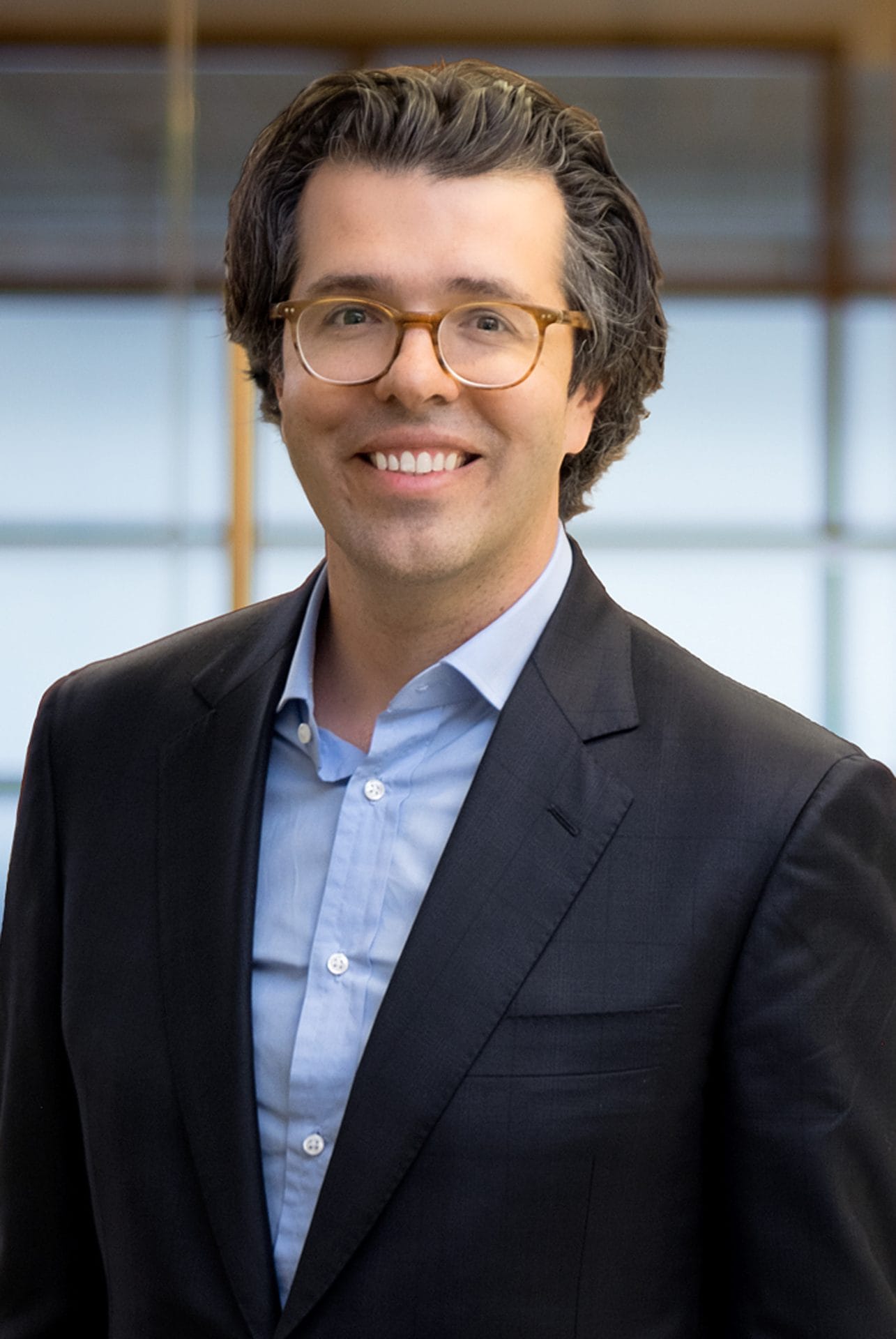
Jason Sheasby is a trial lawyer known for turning complex ideas into clear results. His story begins in San Bernardino County, California, where he grew up learning how people from different backgrounds see the world. That early awareness shaped how he thinks, listens, and argues today.
He attended Pomona College, where he studied philosophy. He graduated summa cum laude and was elected to Phi Beta Kappa. Philosophy taught him how to break ideas down and ask better questions. Those skills stayed with him. “How you frame a problem often decides how it gets solved,” he has said.
Sheasby went on to Harvard Law School and earned his JD cum laude in 1999. There, he learned how to test ideas under pressure and defend them with precision. After law school, he built a career as a trial lawyer and eventually became a partner at Irell & Manella LLP.
In recent years, his courtroom work has stood out. He has taken more than ten high-stakes cases to trial in a short period and won each one. Many involved complex technology, including computer memory, data storage, and medical devices. He has secured major jury verdicts and trial victories for clients like Netlist, G+ Communications, StreamScale, and others. “The goal is always clarity,” he has said. “Jurors deserve a story that makes sense.”
Outside the courtroom, Sheasby is a founder of TORL Biotherapeutics and serves on the board of Pomona College. He enjoys cooking and remains interested in emerging topics such as artificial intelligence. Across roles, his path reflects steady focus, deep preparation, and respect for ideas that are built to last.
What is your typical day, and how do you make it productive?
My day starts early. I read before I check my email. Usually, court opinions or technical material are tied to a case. It forces my brain into problem-solving mode. When I am in trial, the day is rigid and intense. When I am not, I block time. Mornings are for thinking and writing. Afternoons are for people. Calls, prep sessions, and team debates. I try to end the day by writing a short list for tomorrow. Three items only. If I finish those, the day will work.
How do you bring ideas to life?
I start by reducing them. Big ideas fail when they stay abstract. In patent trials, the technology is complex. Memory modules. Data storage. USB power delivery. I ask one question over and over: what must a jury understand to decide this case? From there, we build backward. Exhibits, witnesses, language. The same approach helped when founding TORL Biotherapeutics. Science matters, but execution is about clarity and sequencing.
What’s one trend that excites you?
Artificial intelligence. Not as hype, but as a tool. In litigation, AI is starting to help surface patterns in massive technical records. It does not replace judgment. It sharpens it. Used carefully, it can save time and reduce blind spots.
What is one habit that helps you be productive?
Taking walks during the middle of the workday outside. Bad weather or good weather.
What advice would you give your younger self?
Stop trying to win every argument early. Let ideas develop. Some of my best trial strategies came from listening longer than I felt comfortable.
Tell us something you believe almost nobody agrees with you on?
More preparation does not always mean better outcomes. Past a point, preparation turns into noise. The hard part is knowing when to stop.
What is the one thing you repeatedly do and recommend everyone else do?
Explain your work to someone outside your field. If they cannot follow you, you are not done thinking.
When you feel overwhelmed or unfocused, what do you do?
I cook. It sounds unrelated, but it is precise and physical. It resets my attention. You cannot rush a good sauce.
What is one strategy that has helped you grow your business or advance in your career?
Trying cases early and often. Trials teach decision-making under pressure. Many of my later wins came from lessons learned in smaller, earlier cases where mistakes were survivable.
What is one failure in your career, how did you overcome it, and what lessons did you take away from it?
Failing to think deeply about what a judge would want to know. Your primary role is a servant of the court.
What is one business idea you’re willing to give away to our readers?
A translation service for technical experts. Not summaries, but narrative explanations designed for non-experts. Courts, boards, and regulators all need this.
What is one piece of software that helps you be productive? How do you use it?
Google Scholar. It allows me to get a rapid, high-level understanding of a field.
Do you have a favorite book or podcast you’ve gotten a ton of value from and why?
Anything by Isiah Berlin. Because he took a 1000-year view of contemporary political challenges.
What’s a movie or series you recently enjoyed and why?
Station 11. Because life is precious.
Key learnings
- Clarity is often more powerful than complexity, especially in high-stakes decisions.
- Deep preparation must be balanced with judgment about what truly matters.
- Explaining ideas to non-experts is a reliable test of real understanding.
- Long-term impact comes from steady habits, not dramatic moments.