
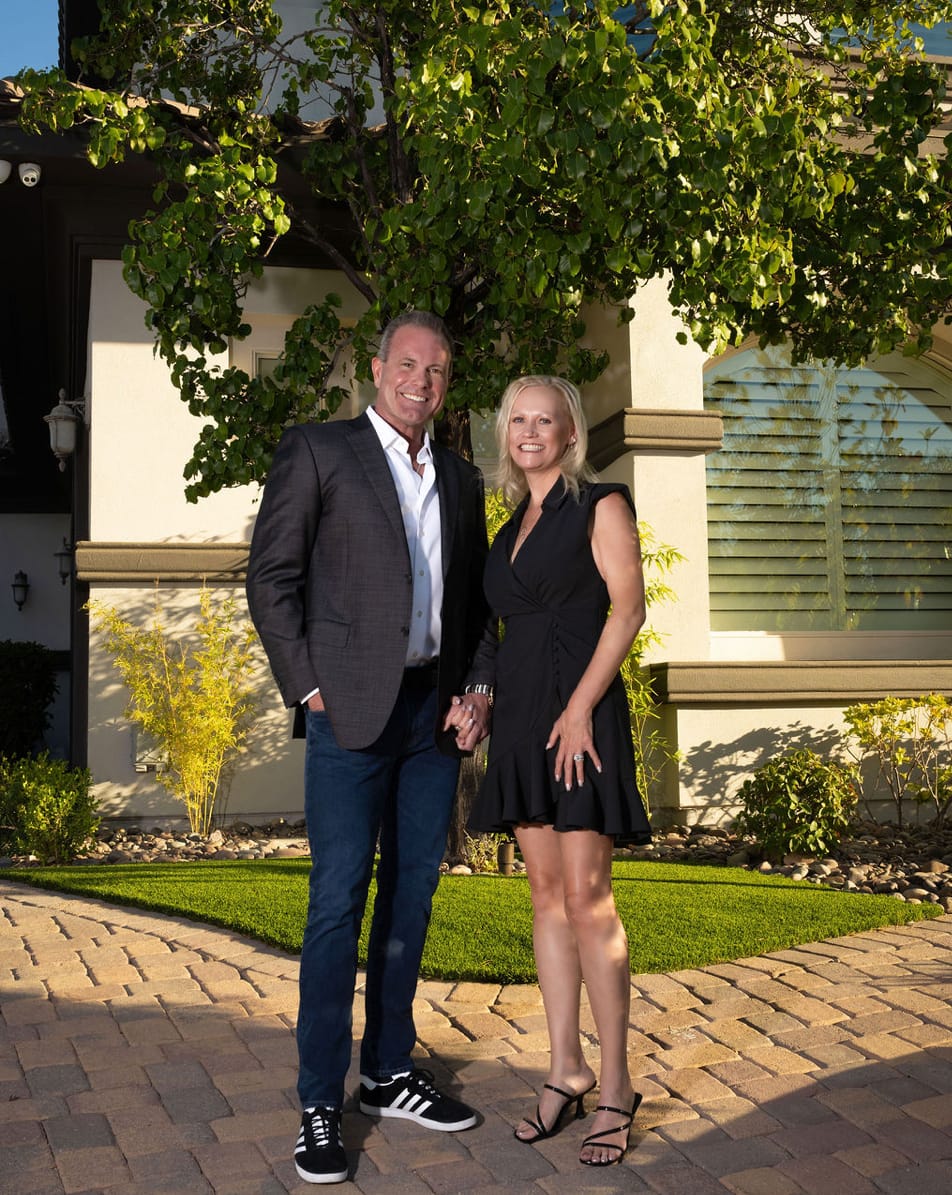
Lieutenant Jeb Bozarth has built his life around service and preparation. Raised in a military family, he graduated from West Anchorage High School in 1989 and joined the U.S. Navy soon after. Over 14 years, he served as a Seabee Equipment Operator 1st Class and earned the title of Seabee Combat Warfare Specialist, deploying to Somalia, Iraq, and the Persian Gulf. These missions taught him discipline, resilience, and how to stay calm under pressure.
In 2006, Bozarth transitioned to law enforcement with the City of Henderson Police Department in Nevada. He worked in Patrol, SWAT, the Problem Solving Unit, and the Training Bureau. In 2018, he was promoted to Sergeant and later to Lieutenant, becoming the SWAT Commander and K9 Unit lead. Along the way, he earned the Medal of Valor (2009) and Supervisor of the Year (2023).
Retiring in 2025, Bozarth founded Critical Training Solution LLC, a company that brings his decades of front-line experience to schools, businesses, and first responders. His programs focus on active assailant response, mindset training, and pre-attack indicators, giving people practical tools to react under stress.
He lives in Henderson, Nevada with his wife Erica and their five children. Outside work, he enjoys working cattle, hunting, fishing, golfing, and barbecuing. His story reflects a commitment to turning experience into action and helping others be ready for life’s most challenging moments.
What is your typical day, and how do you make it productive?
I start early, usually before sunrise. Years in the Navy and law enforcement gave me a habit of early mornings. I spend 30 minutes reviewing the day’s schedule and prioritizing tasks. I keep my training sessions and meetings focused and limit distractions by setting time blocks for email and calls. This structure helps me accomplish more with less stress.
How do you bring ideas to life?
I use field experience to shape every idea. For example, when I designed our Run-Hide-Fight program, I took lessons from actual SWAT callouts and combat missions. I test new content in small pilot sessions before rolling it out widely.
What’s one trend that excites you?
Scenario-based training for civilians. People are moving away from lectures and into hands-on practice. That shift makes training more effective and easier to remember under pressure.
What is one habit that helps you be productive?
I write my top three tasks the night before. It clears my head and gives me a clear start each morning.
What advice would you give your younger self?
Slow down and listen more. Early in my career I thought action was everything. Later, I learned that observation and patience often lead to better outcomes.
Tell us something you believe almost nobody agrees with you on?
I believe everyone—not just police—should learn defensive tactics. Not to fight, but to think and move under stress. Most people think that’s overkill until they see how useful it is.
What is the one thing you repeatedly do and recommend everyone else do?
After-action reviews. After any event—good or bad—I ask: what went well, what didn’t, what do we change? It’s a military habit that improves performance over time.
When you feel overwhelmed or unfocused, what do you do?
I step outside. Working cattle or fishing resets my mind. The physical work helps me detach and return with a clear head.
What is one strategy that has helped you grow your business or advance in your career?
Lead by example. In SWAT, I never asked my team to do something I hadn’t done myself. In business, I deliver the first sessions personally. That sets a standard and earns trust.
What is one failure in your career, how did you overcome it, and what lessons did you take away from it?
Early on, I underestimated the need for civilian-friendly language. My first training sessions were too technical. Feedback showed me I needed to translate tactical jargon into plain speech. I rebuilt the program with simpler terms, and it became our most popular course.
What is one business idea you’re willing to give away to our readers?
Develop short, scenario-based micro-trainings for families. People want skills they can practice at home, not just in seminars.
What is one piece of software that helps you be productive? How do you use it?
I use Trello to track training modules and client schedules. It lets me see progress at a glance and share updates with my small team.
Do you have a favorite book or podcast you’ve gotten a ton of value from and why?
Left of Bang by Patrick Van Horne. It’s about spotting danger before it happens. I recommend it to anyone who wants to improve situational awareness.
What’s a movie or series you recently enjoyed and why?
I enjoyed The Terminal List. It’s a fictional story but shows the mental side of high-risk operations. It reminded me of the importance of mindset.
Key learnings
Real-world experience can be translated into simple, actionable training for civilians.
Consistent after-action reviews improve performance and decision-making.
Leading by example builds trust and sets a standard in any organization.
Translating complex ideas into plain language increases impact and reach.
Hands-on, scenario-based training is more effective than lecture-style teaching.