
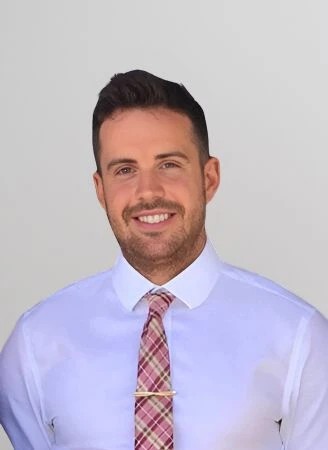
Dr Jeffrey Mathews grew up in East Tennessee, where small-town life taught him the value of connection, trust, and looking people in the eye. Those early lessons would later shape the way he treats every patient who walks into Goodlettsville Family Dental. After earning his Doctor of Dental Surgery degree from the University of Tennessee Health Science Center in 2011, he went on to complete an Advanced Education in General Dentistry residency. That extra year, focused on full-mouth rehabilitation and aesthetics, pushed him to think about dentistry as more than clinical work. It became a craft—one that could change how people move through the world.
Over the next decade, Dr Mathews built a reputation for combining technology with empathy. Digital X-rays, intraoral cameras, and precision tools became staples of his practice, but so did honest conversations and down-to-earth care. He later expanded his skill set through training with the American Academy of Facial Esthetics and the International Academy of Facial Esthetics, offering treatments like Botox and fillers as a natural extension of helping people feel confident.
Outside the clinic, he stepped into real estate—investing, developing, and improving properties in Tennessee. He approaches property the way he approaches dentistry: patiently, thoughtfully, and with an eye for long-term value.
Today, he is known not only for restoring smiles, but for the calm, intentional way he leads, learns, and builds. His story is one of steady growth, genuine curiosity, and the quiet belief that life improves when we take care of people—and the communities they call home.
What is your typical day, and how do you make it productive?
My days start early. I like calm mornings, so I wake up before the rest of the house. I stretch, make coffee, and spend ten minutes reviewing my plan for the day. At the clinic, I start by checking complex cases first—full-mouth rehabs, implant patients, or anyone in acute pain. I make the day productive by grouping similar procedures so I stay in the right mental rhythm. I also block time for diagnostics because I believe accurate diagnosing is the backbone of good dentistry.
How do you bring ideas to life?
I sketch. Most people don’t know that about me. When I’m planning veneers or rebuilding someone’s bite, I often sketch the shape or flow before touching digital tools. It helps me think like an artist before I think like a dentist.
What’s one trend that excites you?
The growing awareness of oral-systemic health. People are finally connecting gum health with heart health and inflammation. This is where dentistry becomes preventative medicine, and that excites me.
What is one habit that helps you be productive?
Consistency. I do small things every day—reading a journal article, reviewing a technique, or practising hand skills. Dentistry rewards repetition and refinement.
What advice would you give your younger self?
Take your time. When I first graduated, I wanted to fix everything fast. Over time I learned that slowing down leads to better results, calmer patients, and less stress.
Tell us something you believe almost nobody agrees with you on?
I believe facial aesthetics should be part of comprehensive dentistry. Many dentists see it as separate, but to me the smile and the face must work together. They’re one expression.
What is the one thing you repeatedly do and recommend everyone else do?
Daily mindfulness. Even five quiet minutes can reset your perspective and reduce tension in your shoulders and jaw—a place people hold stress without realising.
When you feel overwhelmed or unfocused, what do you do?
I step out of the clinic for a moment. I’ll take a walk around the building or go sit in my car. Those breaks help me return with a clear head.
What is one strategy that has helped you grow your business or advance in your career?
Honest treatment planning. Patients trust you when they know you’re giving them the same advice you’d give a family member. That trust builds a practice faster than any marketing strategy.
What is one failure in your career, how did you overcome it, and what lessons did you take away from it?
Early in my career, I rushed a cosmetic case. The patient was kind, but the result wasn’t my best. I redid it completely at my cost. It taught me to never let schedule pressure override craftsmanship.
What is one business idea you’re willing to give away to our readers?
Create small “health hubs” inside dental clinics—spaces where patients can learn about diet, inflammation, and oral-systemic links. People absorb information better in calm, physical spaces.
What is one piece of software that helps you be productive? How do you use it?
My digital charting system. I customise templates for aesthetic cases, which keeps everything structured and reduces cognitive load during busy days.
Do you have a favorite book or podcast you’ve gotten a ton of value from and why?
I often go back to Atomic Habits. Dentistry is the perfect example of how small, repeated actions create big changes over time.
What’s a movie or series you recently enjoyed and why?
I enjoyed Chef. It’s about craft, pressure, and rebuilding something you love—three things every dentist understands.
Key learnings
- Thoughtful, consistent habits create long-term excellence in high-precision careers.
- Artistic thinking can enhance technical work, especially in aesthetic fields.
- Trust grows when professionals give honest advice that mirrors what they’d offer family.
- Calm environments and deliberate pauses significantly improve decision-making.
- Viewing health as interconnected leads to stronger outcomes and more meaningful care.