
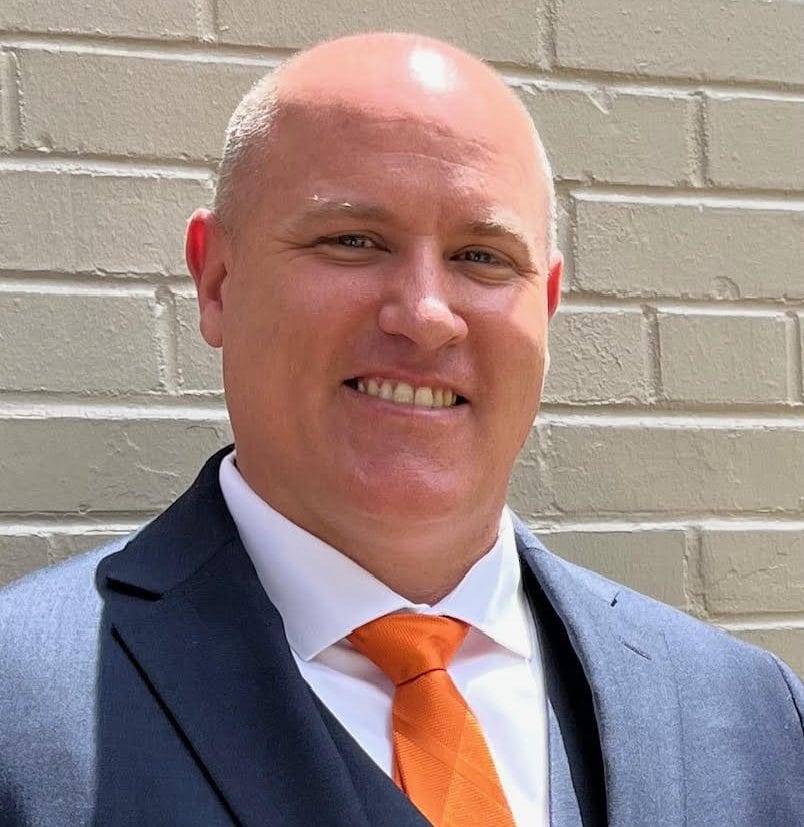
Jeffrey Lamoureaux is the owner of CIXE Investigations, specializing in Title IX, civil rights compliance, and investigative services. With over 24 years of experience in both criminal and administrative resolution, Jeff has made significant contributions across multiple sectors, including law enforcement and higher education. Throughout his career, he has held pivotal roles at institutions such as the University of Nebraska – Lincoln, Eastern Washington University, Appalachian State University, Goodwin University, Auburn University, University of San Francisco, and the Burbank Police Department. In this interview, Jeff offers valuable insights into his daily routines, the creative processes behind his work, and the personal habits that have been key to his success.
What is your typical day, and how do you make it productive?
My day starts early, usually with some exercise—weight lifting or walking. It clears my mind and sets a positive tone for the day. I begin work by reviewing emails and preparing for any investigations or meetings related to Title IX or civil rights compliance. A typical day includes balancing a variety of tasks, from coordinating training sessions to consulting with campus communities on how to foster equity and respect. Staying productive is all about time management and prioritizing tasks based on impact. I make sure to reserve time for family in the evening, no matter how busy my schedule gets. Family keeps me grounded.
How do you bring ideas to life?
Bringing ideas to life, especially in compliance work, requires collaboration and listening to all voices at the table. I start by identifying a problem, then consult with experts and stakeholders. It’s essential to foster a collaborative environment where everyone feels heard and respected. Once we identify a solution, we implement it step by step, keeping communication open. For me, it’s not just about execution but also making sure everyone involved understands the purpose behind what we’re doing. That ensures long-term success and adherence.
What’s one trend that excites you?
The increasing focus on mental health in the workplace and educational environments excites me. More organizations are recognizing the importance of addressing mental health issues like PTSD, stress, and burnout. I’ve experienced PTSD myself, and I know firsthand how essential it is for people to have access to the right resources. Seeing this trend grow means more people can get the support they need, creating healthier and more productive environments.
What is one habit that helps you be productive?
Staying organized and focused on what truly matters. Every morning, I create a task list that prioritizes the most impactful actions for the day. I also make sure to take short breaks throughout the day to reset, especially during intense investigations or compliance reviews. Maintaining a routine that balances work, family, and faith keeps me centered and productive.
What advice would you give your younger self?
I’d tell my younger self to focus on family and faith earlier in life. In the beginning, I let work dominate my time and energy, which led to burnout and PTSD. If I could go back, I would remind myself that success doesn’t mean sacrificing your well-being or relationships. I’ve learned that dedicating time to what truly matters—my wife, daughters, and faith—has made me a better professional and a happier person.
Tell us something you believe almost nobody agrees with you on?
Something I believe almost nobody agrees with me on is how retaliation in the workplace is often handled, especially when it comes to ethical and compliance concerns. I’ve had disagreements with organizational leadership about how to properly address these issues. I have personally seen, and even experienced, retaliation in the workplace for individuals who speak up about concerns. Instead of doing the ethical thing and addressing the issue head-on, organizations sometimes retaliate against those employees and then attempt to justify it.
What doesn’t make sense to me is when people in positions related to ethics or compliance engage in these retaliatory behaviors. It’s counterproductive and undermines the very principles they are meant to uphold. Equally concerning is the lack of proper due process. I’ve seen firsthand how easy it is for organizations to jump to conclusions based on baseless opinions rather than conducting thorough fact-finding or credibility assessments. Due process is critical, especially when serious allegations are involved. Yet, I’ve witnessed situations where it’s bypassed, and decisions are made too quickly, without a fair and balanced evaluation of the facts. These are areas where I feel many people don’t share my perspective, but I stand firm in my belief that both retaliation and the lack of due process need to be addressed for true organizational integrity.
What is the one thing you repeatedly do and recommend everyone else do?
The one thing I repeatedly do, and recommend everyone else do, is practice gratitude. Every day, I take a moment to reflect on the things I’m grateful for—my faith, my family, my health, and the incredible colleagues I’ve had the privilege of working with. I truly believe that I wouldn’t have achieved the success I have without the support of these collaborative individuals along my career path. Recognizing and appreciating the people around me shifts my mindset from dwelling on challenges to focusing on the positive. I encourage others to do the same, as it creates a more supportive and uplifting atmosphere in any environment, fostering both personal and professional growth.
When you feel overwhelmed or unfocused, what do you do?
I step back and reconnect with my faith and family. When I feel overwhelmed, I usually go for a walk or have a conversation with my wife. She’s been my anchor through many tough times. This helps me realign my priorities and come back to work with a clearer mind and renewed focus.
What is one strategy that has helped you grow your business or advance in your career?
One strategy that has helped me grow my business and advance in my career is staying transparent and building trust with the people I work with. In civil rights compliance, transparency is absolutely crucial. When people know they can trust you to be open and honest, they are more likely to engage and collaborate. This trust allows for better communication, more effective problem-solving, and stronger relationships, all of which are essential in conducting thorough investigations and ensuring compliance. Being transparent not only helps build credibility but also fosters a positive working environment where people feel valued and respected.
What is one failure in your career, how did you overcome it, and what lessons did you take away from it?
One of my biggest failures was not addressing my PTSD early on. It led to strained relationships at home and work. I overcame it by seeking counseling, reconnecting with my faith, and taking time to prioritize self-care. The experience taught me that ignoring mental health issues only makes them worse. Now, I advocate for mental health awareness and encourage others to seek help when they need it.
What is one business idea you’re willing to give away to our readers?
One business idea I’m willing to give away is a consulting service that specializes in on-site mental health support for law enforcement and higher education professionals. Both of these careers come with immense stress, yet the mental health resources, while available, are not as accessible as they could be. It would be an excellent investment for organizations in these fields to have counselors on staff, right on-site, to provide immediate and ongoing support for employees. Offering tailored counseling and mental health services within the workplace would significantly help professionals in these high-pressure roles manage stress, prevent burnout, and maintain overall well-being. This kind of proactive mental health approach would not only benefit the employees but also improve organizational productivity and culture.
What is one piece of software that helps you be productive? How do you use it?
Microsoft Teams is essential for my work. It allows me to manage multiple projects, communicate with my team, and schedule meetings efficiently. It’s especially useful when working across different time zones and campuses. The collaboration features help me stay organized and on top of tasks.
Do you have a favorite book or podcast you’ve gotten a ton of value from and why?
The Purpose Driven Life by Rick Warren has had a profound impact on me. It helped me rediscover my faith and understand my purpose not just in my career but in life. I recommend it to anyone looking for direction, especially during challenging times.
What’s a movie or series you recently enjoyed and why?
I recently watched The Chosen, which depicts the life of Jesus and his followers. It’s a deeply moving series that reminded me of the importance of faith, compassion, and service to others. It’s a powerful story that aligns with my own beliefs about service and community.
Key learnings
- Adaptability and Continuous Learning: Jeff emphasizes the importance of learning from mistakes and continually improving, both personally and professionally.
- Resilience through Faith and Family: Overcoming challenges like PTSD and career shifts required Jeff to lean into his faith and prioritize family, transforming his perspective on service.
- Community-Focused Leadership: Jeff’s focus has always been on serving others, creating safe and respectful environments, and inspiring teams to work toward a shared goal.