
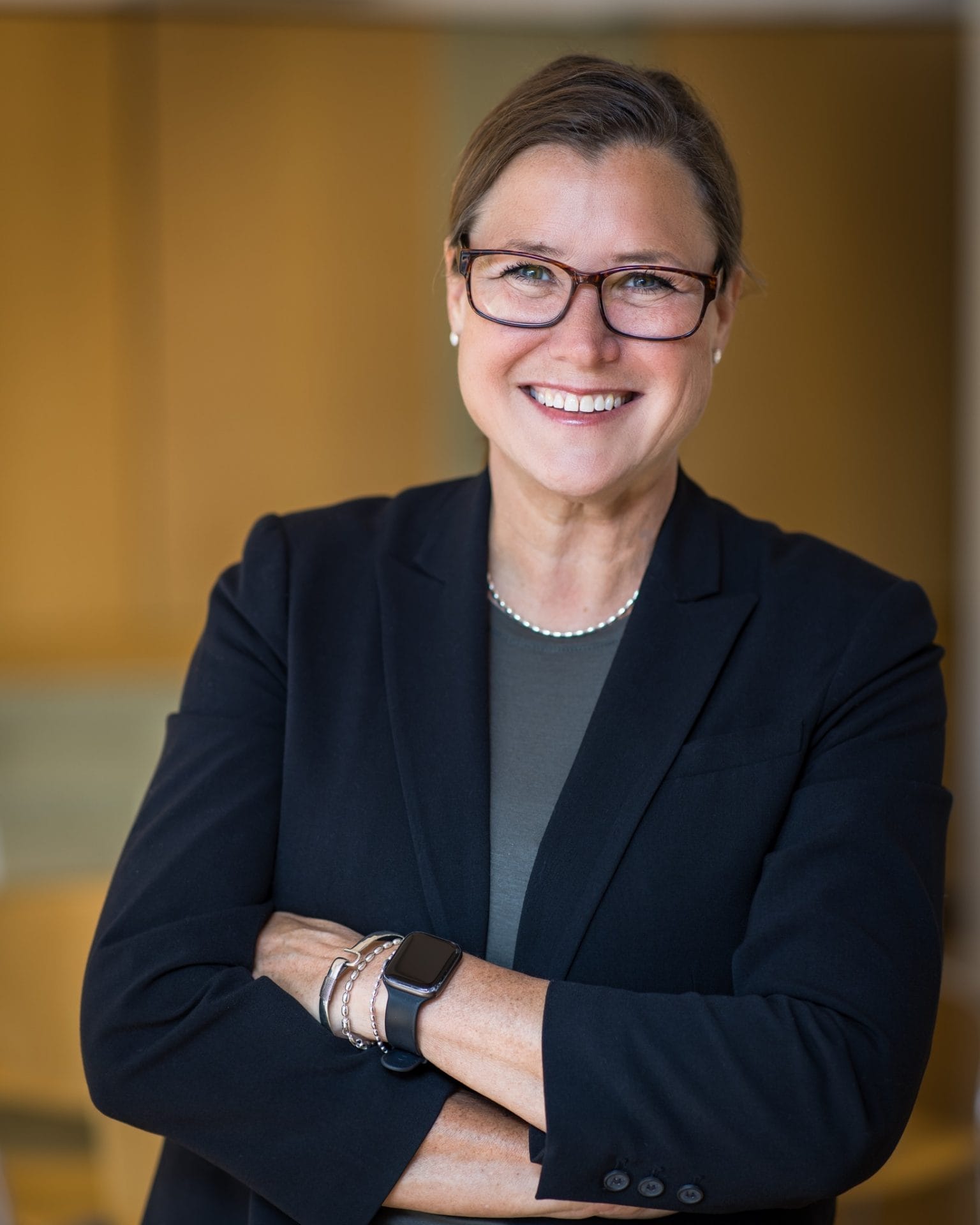
A seasoned leader in the events and hospitality industry, Jen Kramer, Chicago senior director of sales at Access DMC, oversees operations. Drawing on more than 20 years of experience, she has been involved in a range of event productions for corporate, civic, and nonprofit clients. Jen Kramer earned a bachelor’s degree in hospitality management from Purdue University in 1993.
Before joining Access DMC, Ms. Kramer held leadership roles at organizations such as Navy Pier, DePaul University, and the City of Chicago’s Department of Cultural Affairs and Special Events. Her responsibilities in those positions included managing public events like the Chicago Polar Plunge, Taste of Chicago, and parades for local sports teams. She also contributed to the reopening of the WNDR Museum, where she helped develop service and retail strategies.
Ms. Kramer has also taught special events management as an adjunct instructor at DePaul University and Moraine Valley Community College. In addition, she serves on the board of directors for Special Children’s Charities. She has also earned several awards over the years, including “Event Planner of the Year,” as well as recognition from the Special Children’s Charities Hall of Fame.
What is your typical day, and how do you make it productive?
My typical day (is there such a thing?) starts with reviewing my priorities and organizing a to-do list. I like to tackle the most important or time-sensitive tasks first, so I set aside a block of focused time in the morning when I’m most energized. Throughout the day, I balance larger projects with smaller, quick wins to keep momentum going. I also make sure to check in with colleagues or clients at key points, since communication is often what keeps projects moving forward as smoothly as possible. To stay productive, I minimize distractions, set realistic deadlines, and build in short breaks to reset. At the end of the day, I review what I accomplished and update my plan for tomorrow, which helps me stay organized and proactive.
How do you bring ideas to life?
I bring ideas to life by starting with a clear vision and then breaking that down into actionable steps. First, I like to brainstorm and refine the concept, often gathering input from colleagues or stakeholders to make sure they’re tangible and aligned with goals. From there, I create a plan with timelines, milestones, and resources needed. I believe in testing ideas early—whether that’s through a draft, mock-up, or pilot—so we can make adjustments quickly. Collaboration is key, so I keep communication open and encourage feedback throughout the process. Finally, I stay focused on execution while tracking progress, ensuring the idea doesn’t just stay on paper but becomes something tangible and impactful.
What’s one trend that excites you?
One trend that excites me is the way technology is enhancing live experiences. Tools like AI-driven personalization, immersive event design, and hybrid platforms are allowing us to create deeper, more meaningful connections with audiences. I love that we can blend creativity with innovation to make experiences more engaging, inclusive, and memorable. It’s exciting because it pushes me to think differently about how to design events that resonate not just in the moment, but long after.
What is one habit that helps you be productive?
Taking short movement breaks during the day really helps me stay productive. A quick walk or stretch clears my head and gives me the energy to dive back into projects with fresh focus.
What advice would you give your younger self?
I’d tell my younger self not to stress so much about having everything figured out. The twists and turns are part of the journey, and each experience builds skills and confidence you’ll use later. I’d remind myself to take more chances early on—say yes to opportunities, even if they feel uncomfortable. Growth happens outside your comfort zone, and you’re more capable than you realize. I’d tell my younger self that relationships are just as important as results. The connections you build will open doors, shape your perspective, and make the work more meaningful. I’d say: trust your instincts and stop second-guessing. Your perspective has value, and the sooner you own it, the faster you’ll grow.
Tell us something you believe almost nobody agrees with you on?
I believe vulnerability is a strength in leadership. Many people still see it as a weakness, but I’ve found that being open and authentic builds trust faster than trying to have all the answers.
What is the one thing you repeatedly do and recommend everyone else do?
I make it a point to check in with someone in my life, both work and personal—even if it’s a quick note of hello (oftentimes, to tell them how important and valuable they are to me). Relationships matter so much, and I think everyone would benefit from cultivating that habit.
When you feel overwhelmed or unfocused, what do you do?
When I start to feel overwhelmed or unfocused, I usually take a short pause to reset—sometimes a quick walk, a few deep breaths, or just stepping away from my desk. Then I make a simple list of the most important things I need to tackle, breaking bigger tasks into smaller steps. It helps me regain perspective and focus, and I always come back feeling more energized and ready to move forward.
What is one strategy that has helped you grow your business or advance in your career?
One strategy that’s really helped me advance in my career is building and nurturing authentic relationships. Early on, I realized that connections—with colleagues, clients, and mentors—often open doors to opportunities I wouldn’t have found on my own. I make a point to listen actively, follow up thoughtfully, and stay genuinely interested in people’s work and goals. Over time, these relationships have led to collaborations, referrals, and roles that have accelerated my growth far beyond what I could achieve alone.
What is one failure in your career, how did you overcome it, and what lessons did you take away from it?
One challenge I faced early in my career was leading a project without fully understanding all the stakeholders’ expectations. Midway through, I realized the direction we were taking wasn’t aligned with their goals, and it caused delays and frustration. The experience taught me the importance of active listening, asking the right questions early, and maintaining open communication throughout a project. Since then, I’ve made stakeholder alignment a standard part of every project I lead, which has improved both outcomes and relationships.
What is one business idea you’re willing to give away to our readers?
The Skill Swap Marketplace is an online platform that connects people who want to trade expertise—for example, a graphic designer could offer design services in exchange for cooking lessons from a local chef. Participants earn points for the skills they provide, which can be redeemed to access lessons or services from others in the network.
Revenue streams come from premium memberships, small transaction fees, and potential partnerships with brands offering tools or materials for learning. This concept encourages creativity, builds community, and makes skill-building accessible—all while turning everyday expertise into tangible value.
What is one piece of software that helps you be productive? How do you use it?
One piece of software that has really boosted my productivity is Asana. I use it to organize projects, track deadlines, and manage team tasks all in one place. I break projects into actionable steps, assign tasks, and set due dates, which keeps everyone on the same page and prevents things from slipping through the cracks. Beyond just tracking, I also use Asana to visualize priorities with boards and timelines, so I can quickly see what needs attention and plan my day efficiently.
Do you have a favorite book or podcast you’ve gotten a ton of value from and why?
My favorite book right now is Unreasonable Hospitality by Will Guidara. I love how it dives into the idea of going above and beyond for people, whether it’s clients, colleagues, or guests. It’s inspired me to think creatively about every interaction and to look for small, unexpected ways to make experiences memorable—something I try to bring into both my professional and personal life. I am also loving Jason Bateman’s SmartLess podcast. While the podcast is rooted in comedy, it also delves into meaningful conversations, providing listeners with both entertainment and thought-provoking content. This is the BEST balance.
What’s a movie or series you recently enjoyed and why?
I really enjoyed Severance because it’s such a unique take on work-life balance—literally splitting people’s memories between their jobs and personal lives. I loved the mystery and suspense, the quirky yet relatable characters, and the way it made me think about identity and what it really means to separate work from life. Plus, the visuals and atmosphere are just so immersive; it’s one of those shows that sticks with you long after the episode ends.
Key learnings
- Effective productivity stems from prioritization, planning, and small actionable steps.
- Building authentic relationships and nurturing connections is crucial for career growth, business opportunities, and collaborative success.
- Thoughtful reflection, whether daily or after significant projects, enhances decision-making, self-awareness, and long-term professional development.
- Creativity and innovation often thrive in unconventional or unstructured moments, highlighting the value of curiosity and openness to new ideas.
- Balancing personal well-being, including rest and energy management, directly impacts focus, engagement, and professional performance.