
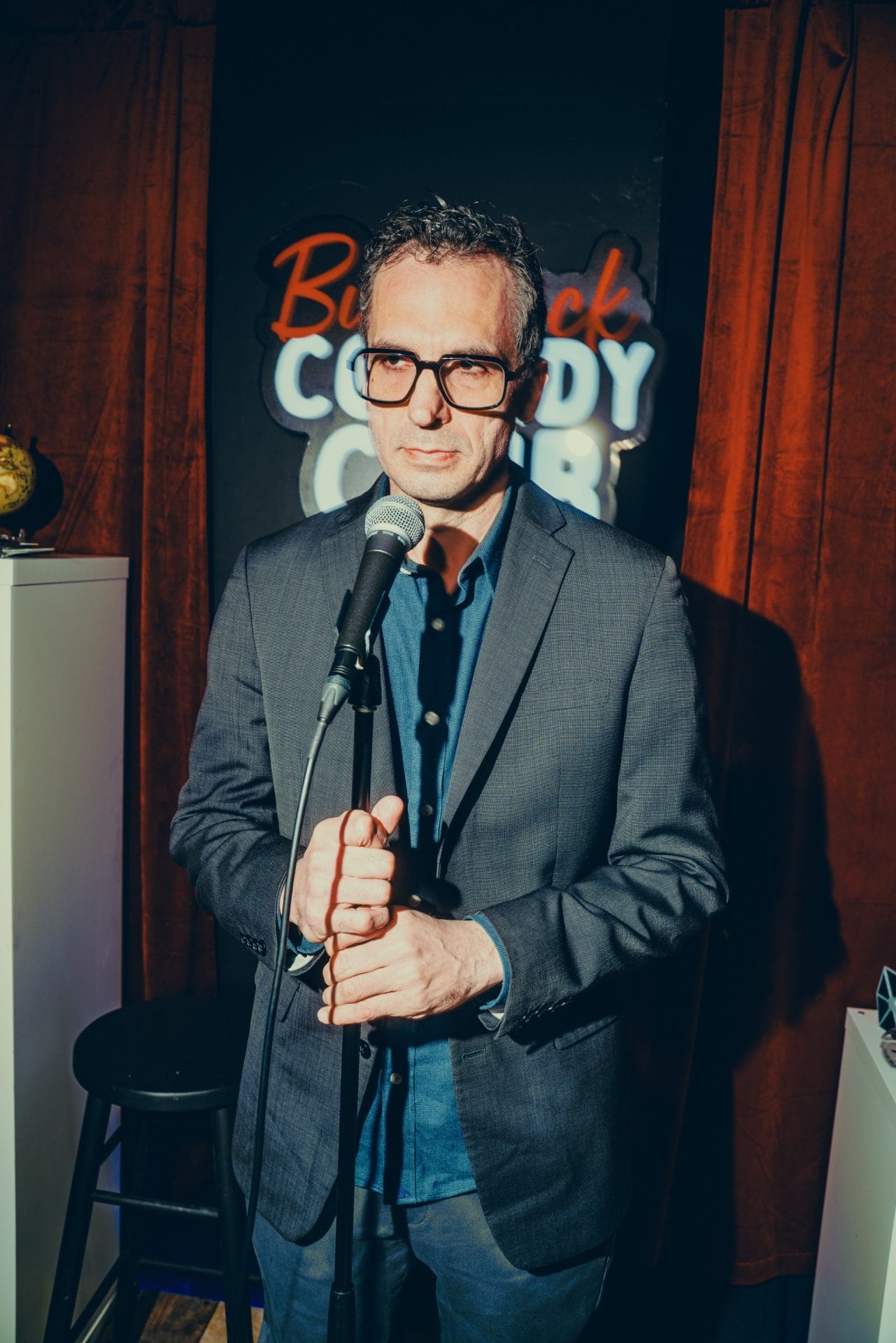
Joe Buccino is a professional communications director with experience in international public relations and messaging plans. His responsibilities as the United States Secretary of Defense Spokesperson included maintaining relations with members of the Pentagon Press and overseeing crisis communications. He led the US Department of Defense’s approach to communicating plans for the 1066 Space Force report. He has served as the communications director for the XVIII Airborne Corps and United States Central Command. Joe Buccino is also an award-winning speechwriter. He has written many well-known military speeches and coached junior and senior military officers in speech writing.
Joe Buccino graduated magna cum laude from Georgetown University with a master of arts in public relations and corporate communications. He is a distinguished honor graduate of the Army War College. As an English undergraduate at the State University of New York, Albany, he was commissioned into the US Army as a 2nd Lieutenant.
He is a member of the Association of the United States Army, 82nd Airborne Division Association, and Veterans of Foreign Wars. A few of his interests include reading and writing fiction.
What is your typical day, and how do you make it productive?
I get up every day at 5 am, meditate, then write comedy. At night, I perform on stage. I basically do the same thing every day and night. It’s the grind – getting better at comedy is basically about volume of reps and sets and staying in the routine. I trust the process.
How do you bring ideas to life?
The way certain punchlines pop in the mind. Word packages that illicit the involuntary response of laughter in other humans. The way jokes work. What’s funny and what’s not. What works in front of a crowd and what doesn’t.
What’s one trend that excites you?
The consistent grind of daily practice and embracing failure as growth excites me. In comedy and life, the trend toward persistence—showing up every day and leaning into discomfort—leads to mastery and breakthroughs.
What is one habit that helps you be productive?
Write comedy every day. Even if nothing productive comes of it. It’s the practice of writing that makes me a stronger comedian.
What advice would you give your younger self?
I was and still am very self-conscious. It’s a problem with a lot of comics – we need a lot of reassurance. If I could, I would have told my younger self not to overthink things. Most people walk around worried about themselves and their families. They’re not always thinking about you and what you have going on.
Tell us something you believe almost nobody agrees with you on?
Bombing on stage is good for you. Feel the pain. Lean into it. Let it sharpen you as a comedian.
What is the one thing you repeatedly do and recommend everyone else do?
Be a good listener. That’s key to being a good comedian. Engage with people and listen to their foibles, their insecurities, their habits. Turn that into funny.
When you feel overwhelmed or unfocused, what do you do?
I meditate every day. It doesn’t cure all my problems, but it does level me out.
What is one strategy that has helped you grow your business or advance in your career?
For me, it’s about volume: reps and sets on stage. Keep writing. Keep getting up. Keep evaluating what’s working and what isn’t.
What is one failure in your career, how did you overcome it, and what lessons did you take away from it?
Early on, I bombed in a club in front of 300 people. My first three jokes didn’t work at all, and I panicked. I started trying to talk to the audience, and I didn’t really know how to do crowd work. It was uncomfortable for everyone. Like catastrophically. It was a disaster. Nothing worked. I wanted to quit comedy. I decided I was going to learn from it, and I did. I learned that if your jokes aren’t working, go to something else. Sit with the silence and don’t spiral in it. Eventually, now, I always pull it out. The crowd doesn’t know it’s going bad unless you tell them it’s going bad.
What is one piece of software that helps you be productive? How do you use it?
Tools for writing and recording—like a simple notes app or voice recorder—are essential.
Do you have a favorite book or podcast you’ve gotten a ton of value from and why?
Everything you need to know about life is in Moby Dick. It’s my Bible. It’s all in there: death, love, friendship, fear, family. All the answers are in there, but you need to study it. You need to know and feel the characters. You need to constantly reread Moby Dick to understand its value.
What’s a movie or series you recently enjoyed and why?
Severance. My wife and I love every episode. It’s so deep and layered. Every episode reveals something.
Key learnings
- Focus on what you’re doing and your process and dreams – don’t waste time and energy on what other people are thinking.
- Trust the process: write every day, get on stage as much as you can, get your reps and sets, and learn from each set.
- Don’t go into comedy with an overarching goal (a Netflix special or an appearance on The Tonight Show, for example) – instead, go in with the mentality that you are going to win the next set, the next show, the next day.
- Read Moby Dick. Often. As much as you can.