
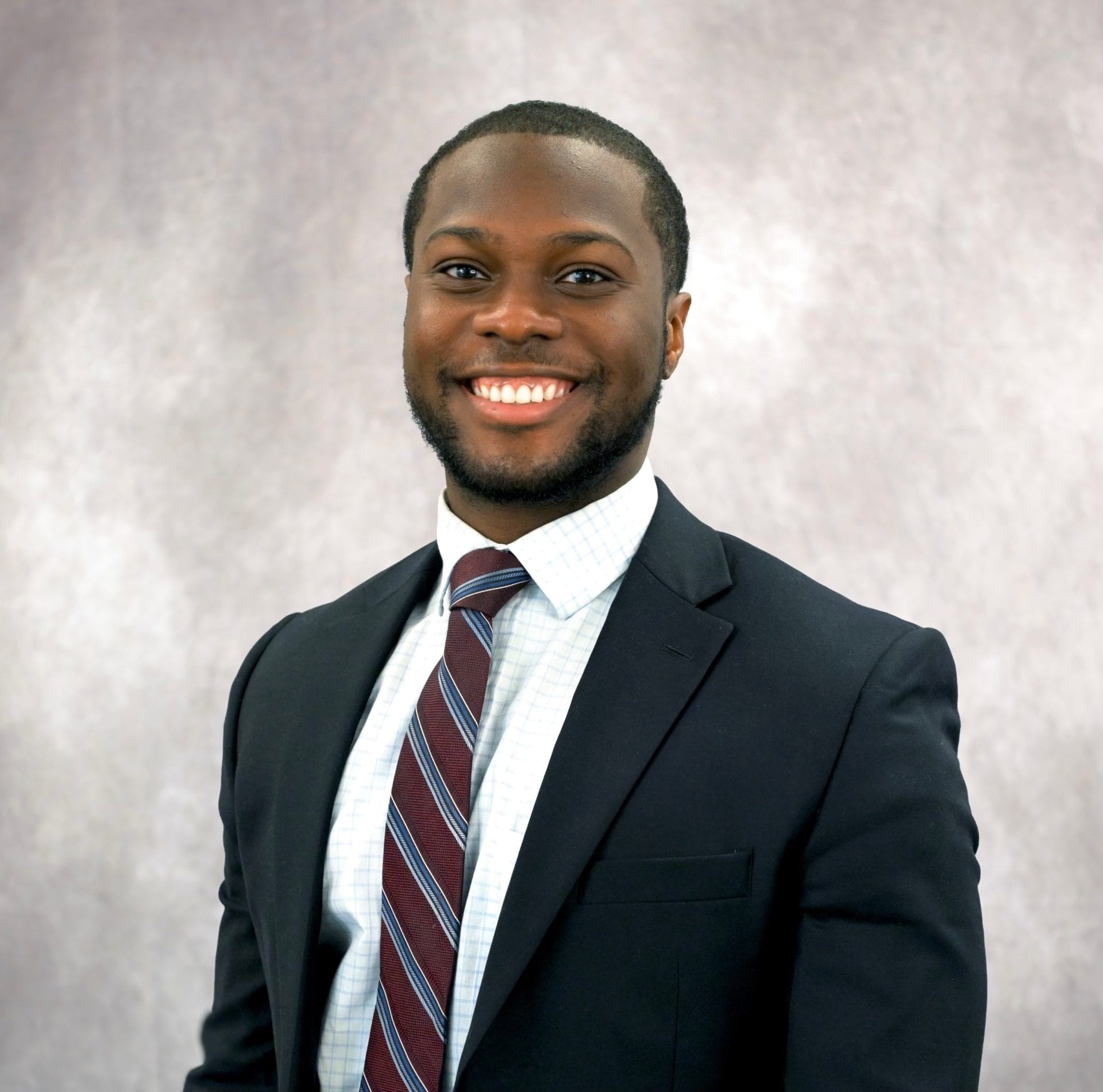
Based in Seattle, Washington, Joe Eubanks leads The Fair and Impartial Foundation and delivers diversity, equity, and inclusion (DEI) support to clients spanning areas such as health care, criminal defense, and higher education. Joe Eubanks’ strategic consulting solutions emphasize the importance of creating and maintaining an empowering organizational environment in which all employees feel heard and valued.
Mr. Eubanks grew up in a New Orleans community where cultural and economic disparities created social challenges for many people. His defining aim thus became one of addressing these issues in ways that had lasting impact on people’s views, identities, and behaviors.
A member of the Wenatchee Valley College faculty in Washington, Mr. Eubanks serves as executive director of climate, culture, diversity and belonging. He leads initiatives focused on enhancing organizational performance and addressing imbalances in power dynamics at individual and structural levels. Eubanks understands real changes come from collaborative leadership and having diverse discussions.
What is your typical day, and how do you make it productive?
A typical day for me is a mix of responsibilities at Wenatchee Valley College, consulting for DEI through The Fair and Impartial Foundation, and continuously learning and reflecting on my practice. The key to staying productive is being intentional about my time. I make sure to focus on systemic change rather than engaging in performative activities. My day usually starts with a clear understanding of my priorities—whether that’s working on DEI initiatives, assisting students, or collaborating with partners. I try to structure my tasks around their potential for real, meaningful impact, while avoiding distractions that could derail progress. I also break down larger tasks into manageable steps, which helps me make steady progress throughout the day.
How do you bring ideas to life?
I bring ideas to life by first writing them down and giving them a tangible form. Putting thoughts on paper helps me clarify my ideas and see them from different angles. Then, I develop actionable steps to take those ideas forward. I find it very motivating to watch the process unfold—from conceptualization to execution. It’s incredibly rewarding to see how something that started as just a thought can turn into a project or initiative that makes a real difference. I also enjoy collaborating with others along the way, as diverse perspectives can add richness and depth to any idea.
What’s one trend that excites you?
One trend that excites me is the growing shift toward systemic DEI work. For a long time, the focus has been on workshops and training sessions to address bias, but many people are now recognizing that these efforts alone don’t create lasting change. Real transformation happens when organizations address their underlying policies, systems, and structures. The emphasis is now on creating environments where equity is embedded into every facet of an organization, not just in isolated efforts. This systemic approach excites me because it focuses on long-term, sustainable change that can impact entire communities and industries.
What is one habit that helps you be productive?
One habit that keeps me productive is constantly questioning the status quo. I don’t just accept things as they are. Instead, I regularly ask myself, “Is this approach truly making a difference, or are we just going through the motions?” This mindset helps me stay focused on work that creates real value and challenges me to think outside the box. It also encourages me to reevaluate tasks or processes that might no longer be serving their intended purpose, ensuring that my time and energy are being used wisely.
What advice would you give your younger self?
If I could give advice to my younger self, it would be this: Systems don’t change just because they should—they change because people make them change. I spent a lot of time early in my career feeling frustrated by the way things were and wondering why the world wasn’t changing faster. Looking back, I wish I’d understood sooner that lasting change requires active effort and persistence. Systems are often resistant to change, but with the right strategies, mindset, and support, transformation is possible. It’s not about waiting for change to happen; it’s about being part of the movement that makes it happen.
Tell us something you believe almost nobody agrees with you on?
One belief I hold that often surprises people is that DEI (Diversity, Equity, and Inclusion) isn’t about making people feel good. While fostering an inclusive environment is important, the focus shouldn’t be on everyone feeling comfortable or avoiding difficult conversations. Real DEI work often involves challenging uncomfortable truths and confronting systemic inequities, which can be uncomfortable for everyone involved. The goal is not comfort, but equity and fairness. Sometimes, that means pushing people out of their comfort zones to address difficult issues head-on.
What is the one thing you repeatedly do and recommend everyone else do?
One practice I repeatedly engage in and recommend to others is to always document your work and impact. This is especially important in consulting or any type of project-based work where progress can sometimes be difficult to measure. Keeping detailed records allows you to track your outcomes, reflect on what’s working, and adjust your strategies as needed. It also serves as a powerful tool when advocating for resources, support, or future opportunities. Documentation provides concrete evidence of your contributions and can be invaluable in demonstrating the impact of your work.
When you feel overwhelmed or unfocused, what do you do?
When I feel overwhelmed or unfocused, I take a step back to ground myself. This could mean going for a walk, practicing deep breathing, or simply taking a few moments to clear my mind. I also find it helpful to break down overwhelming tasks into smaller, more manageable steps. Focusing on one small task at a time helps me regain a sense of control and purpose. I also try to limit distractions and create a quiet space where I can focus fully on the task at hand. By re-centering myself, I can get back to work with a clearer mind and renewed energy.
What is one strategy that has helped you grow your business or advance in your career?
Building strong, meaningful partnerships has been a key strategy for growing my business and advancing my career. Whether through networking, collaborations, or joint ventures, strong partnerships create opportunities for growth and learning. These relationships have allowed me to share resources, exchange ideas, and tackle challenges together. Having trusted partners also provides a support system that helps me stay motivated and focused, even during difficult times. By working together with others, I’ve been able to expand my reach and make a greater impact.
What is one failure in your career, how did you overcome it, and what lessons did you take away from it?
A major challenge I faced in my career was grappling with imposter syndrome. For a long time, I struggled with feelings of inadequacy and questioned whether I was truly qualified for certain opportunities. This held me back from taking risks and putting myself out there. Eventually, I overcame this by acknowledging my strengths and recognizing the wealth of experience I had built over time. I realized that no one else could offer the unique perspective and skills I brought to the table. The key lesson I took away is this: the worst thing people can say is “no,” but taking action and stepping up creates valuable learning experiences, even if it doesn’t always go as planned.
What is one piece of software that helps you be productive? How do you use it?
One piece of software I rely on for productivity is Grammarly. I use it to improve the clarity, tone, and professionalism of my writing. Whether I’m drafting reports, emails, or blog posts, Grammarly helps ensure that my communication is polished and error-free. It also provides suggestions for enhancing readability and making my writing more engaging. This tool has saved me a lot of time and helped me present myself more confidently, especially in professional contexts where attention to detail is crucial.
Do you have a favorite book or podcast you’ve gotten a ton of value from and why?
A podcast I find incredibly valuable is Intersectionality Matters. It provides in-depth discussions on the intersection of race, class, gender, and other social identities, exploring how these elements shape our experiences. The insights I’ve gained from this podcast have not only deepened my understanding of systemic inequities but have also helped me think about the ways in which I can be more intentional and inclusive in my work. It’s a rich resource for anyone interested in social justice and creating more equitable communities.
What’s a movie or series you recently enjoyed and why?
I recently enjoyed Gladiator 2, and it was such a powerful story that resonated deeply with me. The themes of overcoming overwhelming odds and seeking justice mirror the timeless David and Goliath parable. The characters’ journeys reflect resilience and the fight for what is right, even when faced with immense challenges. The emotional depth and historical context made it a compelling watch, and I appreciate how it tackles themes of power, revenge, and redemption in a way that feels relevant today.
Key learnings
- A focus on systemic DEI work creates lasting change by addressing policies and structures, not just biases.
- Embrace the discomfort of challenging conversations; true DEI work isn’t about making people feel good but about creating equity.
- Building strong, supportive partnerships is essential for career growth and expanding your impact.
- Questioning the status quo regularly helps ensure that the work being done is genuinely impactful and not just checking boxes.
- Imposter syndrome can be overcome by recognizing your own value and experiences and taking risks despite self-doubt.