
John Kralik was born on May 12, 1981, in Pasadena, California. His childhood was shaped by strong values of faith, gratitude, and family. His father, a Superior Court Judge and best-selling author of 365 Thank You’s, taught John the importance of kindness and reflection. That mindset would guide him throughout his life.
John went to Catholic schools in Pasadena, then to Loyola High School in Los Angeles. Later, he earned his degree from Loyola Marymount University. After college, he jumped into real estate—buying old, broken-down homes and turning them into places people wanted to live. He didn’t just fix houses—he brought life back to neighborhoods.
Over the last 15 years, John has flipped and developed hundreds of homes across Southern California. He’s known for having a great eye for design and quality. His work is about more than just real estate—it’s about giving people better spaces to live in.
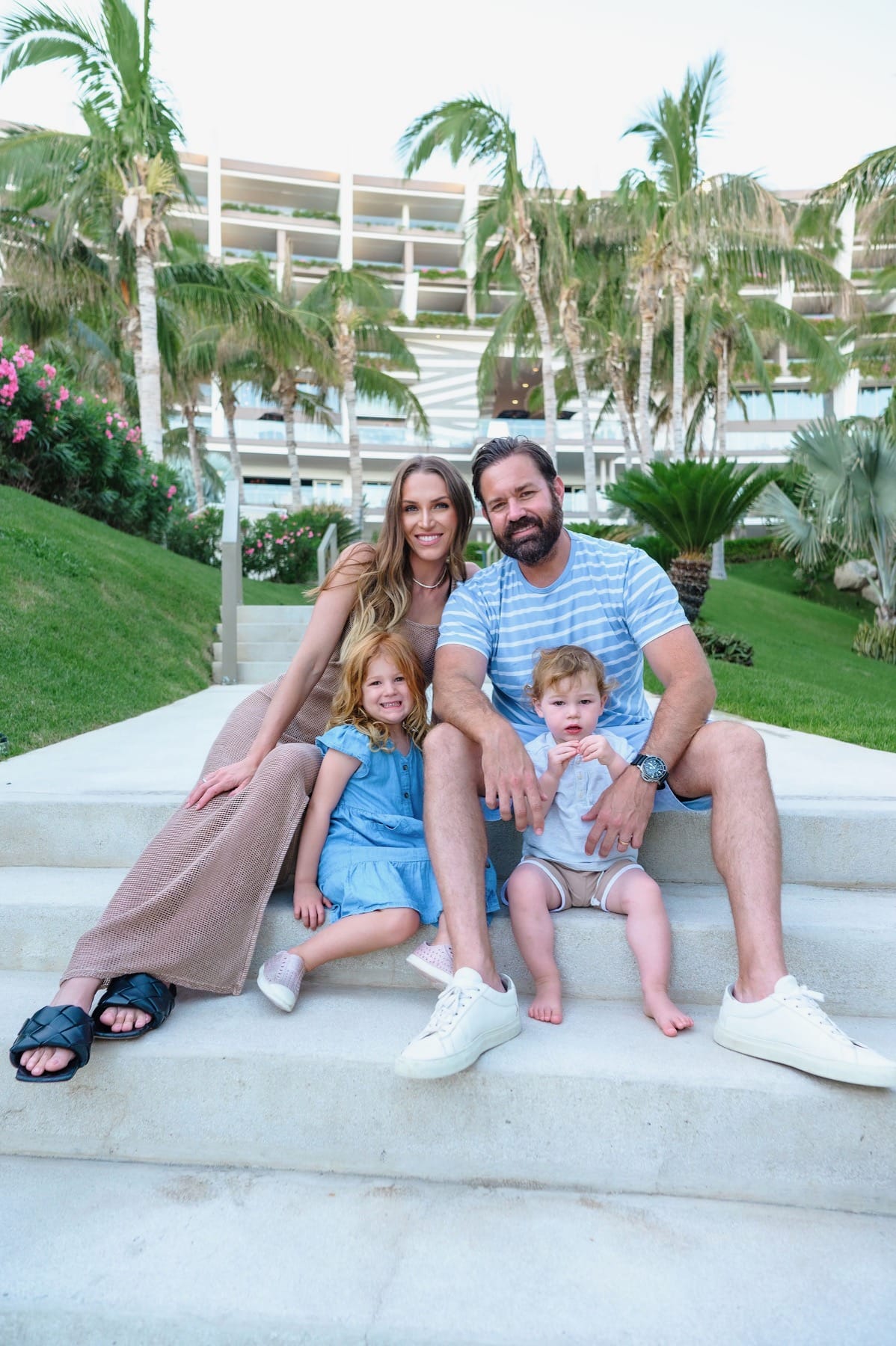
In 2012, John moved to Newport Beach to build a life rooted in community. He married Alexis in 2017. They have two kids, John VI and Charlotte. His favorite role is being a husband and dad. He spends time with his family, helps at his church, and stays connected to the people around him.
John’s journey shows how hard work, faith, and gratitude can build not just homes, but a meaningful life. From Pasadena to Newport Beach, he’s turned challenges into chances—one home, and one day, at a time.
What is your typical day, and how do you make it productive?
John Kralik’s day starts early. He wakes up before the rest of his household in Newport Beach. This quiet time is when he checks market trends, reviews emails, and plans his site visits. Productivity, for him, begins with gratitude—a habit he picked up from his father’s book 365 Thank You’s. He writes one short note of appreciation every morning, even if it’s just a message to a contractor or a neighbor. Then he’s out the door, usually visiting one or two active job sites before noon. His afternoons are for problem-solving, client meetings, and design decisions. Evenings are reserved for family—dinner, walks, and bedtime with his two young children, John VI and Charlotte.
How do you bring ideas to life?
John brings ideas to life through action. When he sees a neglected property, he doesn’t just imagine what it could be—he sketches, budgets, and maps it out. He believes in walking a property alone first, absorbing the space quietly, before sitting down with his team to discuss vision and feasibility. Many of his successful projects started as unsellable foreclosures. He once purchased a home in South LA for under $200,000 that was barely standing. Two months later, it was a family’s dream home.
What’s one trend that excites you?
He’s fascinated by the rise of Accessory Dwelling Units (ADUs) in California. For John, they represent a way to solve two problems at once—affordable housing and smart use of existing lots. He’s currently exploring modular ADU models that cut construction time by half.
What is one habit that helps you be productive?
Gratitude journaling. John learned it young and has kept it going into adulthood. Taking just five minutes in the morning to jot down one thing he’s thankful for keeps him grounded and motivated.
What advice would you give your younger self?
Don’t try to fix everything at once. In his early years flipping homes, John would sometimes overspend on perfecting every room, rather than focusing on core value upgrades. He’d tell his younger self: “Focus on function first. Beauty will follow.”
Tell us something you believe almost nobody agrees with you on?
John doesn’t believe in open-concept living for every home. While trendy, he argues that not all families want or need a completely open layout. He’s found that many buyers—especially those with multigenerational households—actually prefer distinct, closed-off rooms for privacy and noise control.
What is the one thing you repeatedly do and recommend everyone else do?
Walk your worksites daily. Even with project managers in place, John makes it a point to visit in person. He believes nothing replaces firsthand presence. You’ll catch small things—a crooked tile, poor lighting—before they become expensive fixes.
When you feel overwhelmed or unfocused, what do you do?
He walks. Sometimes it’s down to the beach, other times just around a block. Getting outside clears his head. His rule: no phone, no music—just listen to the sounds around you.
What is one strategy that has helped you grow your business or advance in your career?
John built his career on trust-based relationships. From agents to inspectors to his drywall guy, he nurtures loyalty through consistency and transparency. When the 2008 housing crisis hit, his network helped him survive by passing referrals and partnering on risk-sharing deals.
What is one failure in your career, how did you overcome it, and what lessons did you take away from it?
He once took on a project in an unfamiliar inland area, assuming his coastal design instincts would carry over. The result? A modern beach-style home that didn’t suit the neighborhood and sat on the market for months. The lesson: know your audience. Now, John spends more time studying local tastes before drafting a design.
What is one business idea you’re willing to give away to our readers?
A mobile app for neighbors of construction projects to get real-time updates—like when loud work will happen or if the water will be turned off. John has seen how much tension can arise during renovations. A communication tool could ease friction and improve community relations.
What is one piece of software that helps you be productive? How do you use it?
He uses Trello to track each project phase—from permits to finishes. Every project gets its own board with deadlines, photos, and contacts. It helps him stay on top of dozens of moving parts without missing details.
Do you have a favorite book or podcast you’ve gotten a ton of value from and why?
The Millionaire Real Estate Investor by Gary Keller. It’s not flashy, but it’s full of practical, grounded advice that helped John build a long-term strategy instead of chasing quick wins.
What’s a movie or series you recently enjoyed and why?
He enjoyed The Minimalists documentary. It reminded him that not every project needs to be bigger to be better. Some of his proudest homes are small ones with thoughtful touches.
Key learnings
- Physical presence and daily site visits can prevent small problems from becoming costly mistakes.
- Gratitude and daily reflection help maintain focus, especially in a high-stakes, hands-on field like real estate.
- Not every trend is worth following—success comes from knowing your audience and market deeply.
- Building strong, honest relationships across your network is a long-term business strategy, not a short-term tactic.
- Simple breaks—like walking without a phone—can restore clarity during high-pressure periods.