
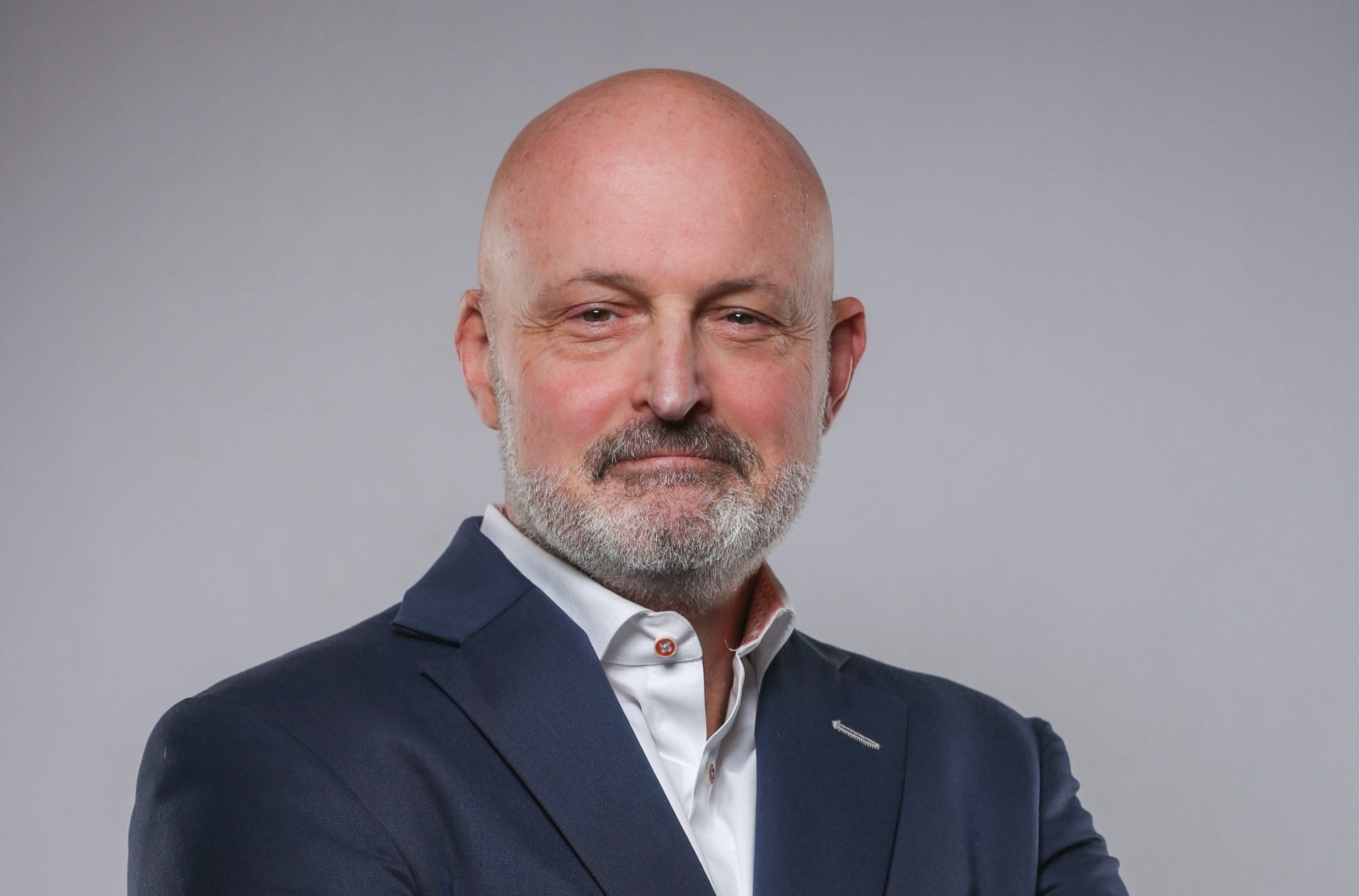
John Steven Mullaly, based in Cohasset, Massachusetts, is an investment consultant with 25 years of experience in the biotech sector, collaborating with investors, bankers, and analysts. From his office in Cohasset, he utilizes these industry connections to advise small- and mid-cap companies on investor engagement, IPOs, and capital markets, as well as assisting biotech clients in developing investor communications.
John Mullaly has provided individual advisory services and led client-specific teams to enhance messaging and support corporate positioning. He has overseen deliverables such as biotech investor profiling, investor relations strategies, and competitive analysis. His work spans companies involved in cell therapy, gene therapy, RNA therapies, and other areas.
John Mullaly holds an MBA from Questrom School of Business and a BA in economics from Northeastern University. Outside of his professional life, he stays active through running, mountain biking, skiing, and uphill skiing.
What is your typical day, and how do you make it productive?
My typical day starts early with a workout to boost my energy and then reading market and life science news. This practice sets the tone for productivity. Most days are spent analyzing potential investments and speaking with industry sources I have fostered over many years.
What’s one trend that excites you?
The application of artificial intelligence and machine learning to drug discovery and development. AI has the potential to accelerate innovation and improve upon safety. Can be used to hunt for novel compounds and optimize clinical trials. There are already predictive models at MIT’s Computer Science and Artificial Intelligence Laboratory that can detect the formation of breast cancer cells up to six years before they develop. AI will revolutionize diagnostics and drug development.
What is one habit that helps you be productive?
A solitary mountain bike or motorcycle ride is a perfect way to declutter the mind.
What advice would you give your younger self?
Build and foster relationships by employing a relentless networking strategy. Take calculated risks and be very patient when investing. Some of the most unfortunate investment decisions I have made was exiting a position too early. Importantly, avoid the get-rich-quick mentality and think longer duration. Also, have integrity and do not cut ethical corners. It takes a lifetime to build a reputation and seconds to tear it down.
Tell us something you believe almost nobody agrees with you on?
I’m not sure if I’m necessarily in the minority here, but I’ve seen many of my contemporaries get frustrated, angry, resentful, and even terminate relationships altogether when members of their team or support staff move on to other opportunities. In my opinion, it’s important to hire talented people, and you should expect talented people to be ambitious and move on. I’ve always treated my team with the support and respect they deserve, and their ascension through the industry ranks means that you have another connection/ally in the business.
What is the one thing you repeatedly do and recommend everyone else do?
I swim in the ocean almost every afternoon or evening. I appreciate that is not available to many away from the coast, but these plunges give me an energy boost and allow me to think more clearly. The physical benefits of this type of cold exposure are well understood, but for me the primary benefit is a mental reset and clarity. Needless to say, our kids opt out of this activity by October.
When you feel overwhelmed or unfocused, what do you do?
If possible, I work in a minimum of 30 minutes of high intensity cardio. It tends to get the blood flowing back to my brain and refocused.
What is one strategy that has helped you grow your business or advance in your career?
One is to be persistent and have a passion for what you do. With that said, the key is to master a certain skill and establish expertise. For me, that was forging key relationships with highly sophisticated institutional biotechnology and life science investors on behalf of several investment banks. Work to offer something that is new and/or unique.
What is one failure in your career, how did you overcome it, and what lessons did you take away from it?
I don’t deem it a personal failure per se, but like many in my industry, I have been involved in reorgs, layoffs, and even worked for companies that have closed. By virtue of creating a wide network and being a reliable resource to my clients, I’ve never been unemployed for very long. In retrospect, I wish I had capitalized on the time I had between positions to travel and relax, but those stressful moments almost always make me pedal harder.
What is one piece of software that helps you be productive? How do you use it?
I’m loath to admit how “Type A” I am in public, but I use Excel for nearly every element of my work and personal life. Even my leisure activities have a corresponding spreadsheet.
What’s a movie or series you recently enjoyed and why?
My wife and I thoroughly enjoyed Disclaimer on Apple+. It is an enjoyably twisty plot told from multiple characters’ viewpoints that reminds the viewer to weigh all perspectives and to not leap to conclusions too quickly. Further, it’s nice to see Kevin Kline back on screen.
Key learnings
- Have passion for what you do.
- Work long hours and become a master at one skill when starting out. But always keep learning and have patience.
- Make and maintain relationships across your entire career.
- Take some risk as you can learn and grow from any failure.
- Balance work with exercise and outside interests.