
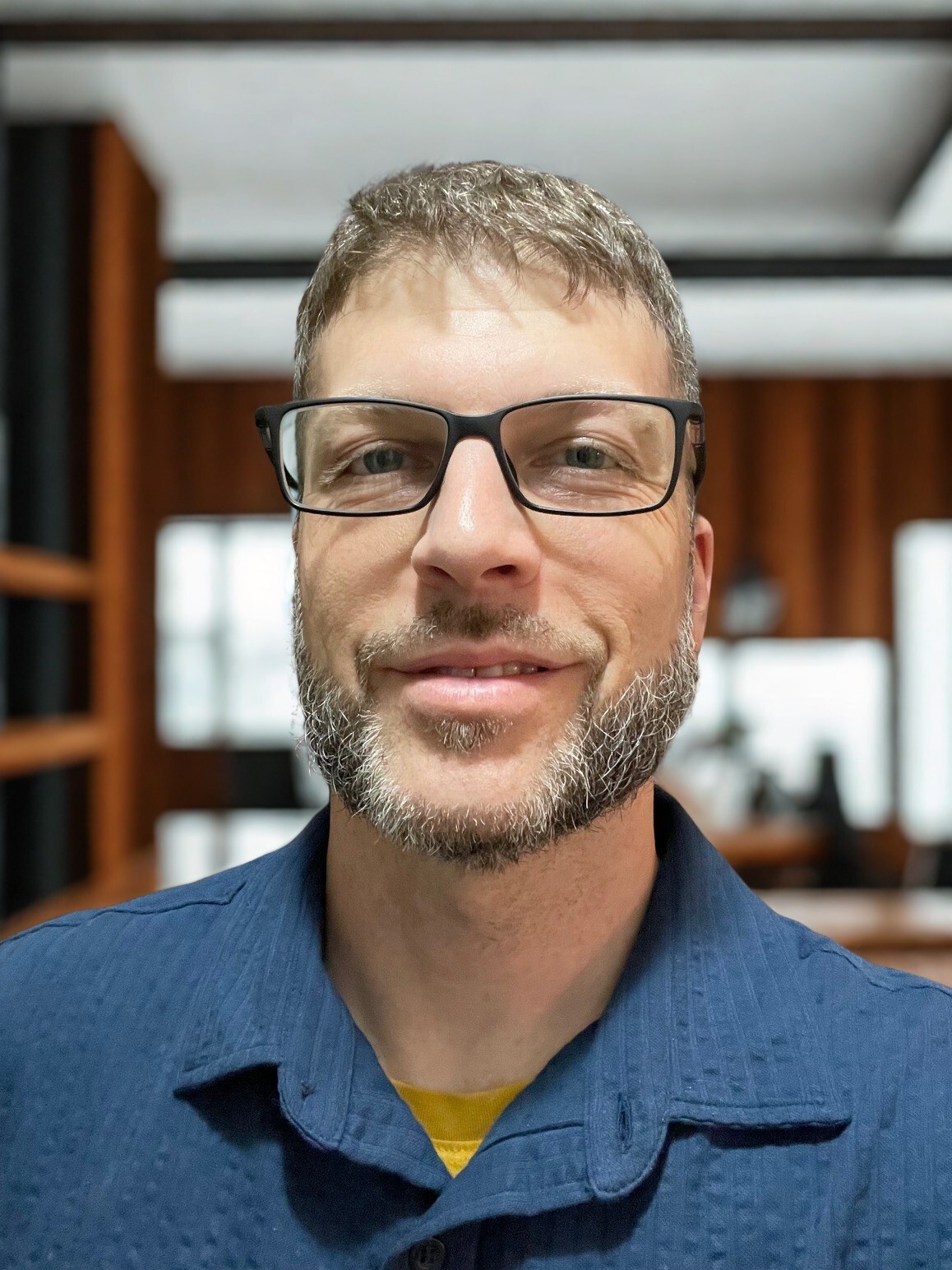
Active with the Oregon Association of Environmental Professionals, Jordan Harris has extensive experience managing regulated testing environments and coordinating laboratory workflows. From 2017 to 2025, he held field service engineer responsibilities with Astoria-Pacific, Inc., which is headquartered in Clackamas, Oregon. Working with sites around the globe, Jordan Harris ensured flow analyzers and related lab instruments were in proper functioning order.
Mr. Harris’ combination of remote technical support and troubleshooting kept instrument downtime to a minimum and ensured healthy customer retention levels. He performed on-site customer training as required, related to safety, operational, and maintenance protocol. In the process, he boosted proficiency among users and reduced repeat service call volume.
His experience includes a role as chemistry lab manager at Pace Analytical in Englewood, Ohio, where he oversaw diverse aspects of a high-volume environmental testing lab. Responsible for inventory control and budgeting, he also guided employee relations and provided team leadership.
What is your typical day, and how do you make it productive?
A typical productive day starts out with an intentional morning routine that involves getting up around the same time each day (even on weekends), doing some stretching and gratitude practice, along with hydrating. I enjoy a healthy breakfast of oatmeal but will sometimes indulge on weekends. To maximize productivity, I have a plan of what to accomplish that day, and I make room for personal well-being as part of that plan. I keep a to-do list, which allows me to track my progress and accomplishments and serves as a running list that I can prioritize. At the end of the day, I like to reflect on what I accomplished on my to-do list and possibly add a few new ideas to the list. Before going to bed, I will take time for hobbies like reading, gardening, relaxing, and preparing for the next day.
How do you bring ideas to life?
I tend to be a visual thinker and like to draw or sketch out my ideas when they come to me. I often find myself doodling things whenever I have an idea about something new that I want to try or problem that I need to solve. From there, I am better equipped to visualize what the best next steps might be to bring my idea to life once it is down on paper. Somehow, seeing it allows me to better understand the big picture and can really bring things into focus for me.
What’s one trend that excites you?
I am excited by the new lifestyle and social trend that involves cozy aesthetics and a “slow living” style. This trend harkens back to an easier time and focuses on frugal optimism and a desire for calm amidst a frequent tendency for overstimulation in society. I am excited by the return of a real-world focus with tangible experiences and authentic connections. Life can sometimes be too fast-paced and full of deadlines. This new trend feels like a calming reprieve from the busy requirements of daily life. Less screen time and more in-person, face-to-face time.
What is one habit that helps you be productive?
I find the one habit that helps me be most productive is keeping my to-do list. This allows me to have a running list of things that are important to accomplish which I can quickly and easily reference and add to at any time. I keep it on my phone so I can access it whenever needed. No matter how big or little the task is, it gets added to the list and can be prioritized accordingly. Each day, I choose which items to work on, and it has been an easy habit to consistently engage with because it is very gratifying to accomplish tasks on the list.
What advice would you give your younger self?
I would advise my younger self not to be afraid to make mistakes. I would tell my younger self that it is okay to not strive to be perfect all the time and that you should be forgiving of yourself and not to take life so seriously. I would tell my younger self that spending time with friends, family, and loved ones is the most important thing that you can do.
Tell us something you believe that almost nobody agrees with you on.
One belief that I have that almost nobody agrees with me on is that it is a right-handed world. Being one of the 10% of the population born as a “southpaw,” from a young age, I have found that there were lots of everyday struggles—from school desks to spiral notebooks to scissors and can openers—all having a right-handed bias. It is not something that the majority of people have to think about because 90% of the population are right-handed. I have grown to love the fact that I am left-handed and now see it as an advantage, as it has proven to have given me skills of adaptability and open-mindedness. While there are now many left-handed options for tools and other products, I find that I never go for those options and instead choose what is already available (usually the right-handed option), leading to me being ambidextrous. While people may not always agree with me that it is a right-handed world, I am alright with being in the minority.
What is the one thing you repeatedly do and recommend everyone else do?
Every year, I plant a garden to grow lots of different vegetables and fruits, and I highly recommend that everyone else do the same thing. It has numerous benefits, from being a good source of nutrition to a great way to get some healthy exercise. I have found that gardening is a great way to reduce stress and save some money on groceries. If you live in an apartment or do not have much space available, there are options such as container gardening or joining a community garden. Plus, living in the temperate climate of the Pacific Northwest allows for an extended gardening season if you use techniques such as a greenhouse or cloche. You are able to grow crops year-round with a little planning and investment. There is no greater feeling than preparing a meal using ingredients that you grew yourself.
When you feel overwhelmed or unfocused, what do you do?
I like to take a few minutes to do some breathing exercises to refocus and ground myself. I find a quiet place to take a short break or, if possible, I like to go outside and reconnect with nature to help overcome the feeling of being overwhelmed or unfocused. Getting back to nature, even if it is just for a few minutes outside, can really have a lasting impact.
What is one strategy that has helped you grow your business or advance in your career?
I have found that you always have to be open to new opportunities that might present themselves to you, even when you least expect it, might not be looking for it or even considering it. The time for change and opportunity may never be perfect, so you just have to be ready and willing to seize your chance. Sometimes, you also just have to manifest the opportunity and make it happen, be brave, and take the leap. You are the author of your own book, after all.
What is one failure in your career, how did you overcome it, and what lessons did you take away from it?
Missing an obvious issue when repairing a critical piece of instrumentation for a customer after flying across the country to be onsite for the emergency service call. Finally figuring out the simple fix after starting from the beginning of the troubleshooting basics and going step by step with remote help from a coworker. This event taught me to keep a level head during high-pressure work situations and approach each task with a methodical style as to not skip over any possible solutions, no matter how simple they might be. Sometimes, the easiest fix is the correct fix. I also learned that it is okay to make mistakes, learn from them and own up to them because that is how you gain insight, knowledge, and experience.
What is one piece of software that helps you be productive? How do you use it?
ChatGPT is helpful for productivity, though you need to be careful with how you use it and make sure not to just blindly rely on it for information because it can be inconsistent and sometimes give you incorrect data. I find it useful for helping to organize ideas or to expand on topics that I have already started. It can also be useful for giving you feedback on a topic or to spot and summarize patterns in data. I use it to break big goals into bite-size steps and prioritize what actually matters. It is important to know what its limitations are in order to maximize your productive use of this tool.
What is the best $100 you recently spent? What and why?
Getting an eye exam recently and picking out new glasses was the best $100 I have spent recently. I have never had glasses before and was not aware that I needed them until my eye exam made it evident that I was nearsighted. I did not even know what I was missing until I got my new glasses, but now I can see things clearly. I am so happy that I finally took the time to get my eyes examined and fitted with the correct prescription glasses. Truly a life-changing decision and money well spent.
Do you have a favorite book or podcast you’ve gotten a ton of value from and why?
Dale Carnegie’s book, “How to Win Friends and Influence People: The Only Book You Need to Lead You to Success,” has been a very important book to me. I feel that it has given me a lot of valuable tools and knowledge that I have been able to utilize throughout my life in a beneficial way. It has helped me to understand human nature and offered a lot of practical advice that better prepared me for many of life’s experiences. It has helped improve my social skills and communication with relatable and practical advice. I would highly recommend this book to anyone.
What’s a movie or series you recently enjoyed and why?
I have recently gotten into watching Jeopardy and enjoy both the older shows with Alex Trebek as well as the new content with Ken Jennings. It is fun to see how many questions you can answer compared to the guests and it is a good way to keep learning things you might not have known. It is such a classic game show series that helps keep your mind sharp. I think in life that you should never stop learning and watching Jeopardy is a great way to live by that motto.
Key learnings
- Consistent daily structure anchored by intentional mornings, clear planning, and end-of-day reflection can significantly improve productivity while still prioritizing personal well-being.
- Visual thinking, such as sketching or doodling ideas, can help clarify complex problems, reveal next steps, and support turning abstract ideas into concrete action.
- Slowing down through habits like gardening, spending time in nature, and embracing “slow living” can reduce stress, improve focus, and foster more meaningful, real-world connections.
- Simple systems, especially a regularly updated and prioritized to-do list, are powerful tools for staying organized, focused, and accountable over time.
- Growth in both career and personal life comes from embracing mistakes, staying open to unexpected opportunities, maintaining strong human connections, and approaching challenges methodically rather than reactively.