
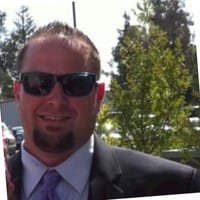
Kenneth Shane Patterson is a dynamic entrepreneur and business leader with deep roots in Fresno. As the founder of GoBizLending, he has dedicated his career to empowering small businesses by providing them with essential financial solutions, including working capital, equipment financing, and commercial real estate loans. His expertise in business lending stems from years of experience, allowing him to offer tailored financial strategies that help businesses thrive.
Beyond finance, Ken Patterson is also a passionate restaurateur, owning and managing successful restaurants in Los Angeles. His hands-on approach to business has given him a unique perspective on entrepreneurship, helping him guide other business owners toward sustainable success.
Committed to giving back, Shane Patterson Fresno actively supports several charitable organizations, including Beit T’Shuvah, Celina’s Women’s Shelter, and Trina’s Kids Foundation. These initiatives focus on helping individuals overcome addiction, supporting women in need, and providing resources for underserved children. His philanthropic work reflects his belief in creating opportunities for those facing adversity.
In addition to his business and charitable efforts, Kenneth Patterson is actively involved in organizations such as the Calabasas Country Club, Clovis Hills Community Church, and Sinai Akiba Temple Los Angeles, further solidifying his role as a dedicated community leader.
With a strong foundation in business, hospitality, and philanthropy, Kenneth Shane Patterson continues to make a lasting impact on both the Fresno and Los Angeles communities, helping businesses and individuals achieve growth, stability, and success.
What is your typical day, and how do you make it productive?
I start my day early with a quiet moment of reflection or prayer—it centers me. After that, I review key priorities for both GoBizLending and my restaurants. I keep a tight schedule but allow flexibility for unexpected needs. I block time for deep work, team check-ins, and decision-making. Staying organized is crucial, so I rely heavily on my task management system. I make sure to end the day with my family or community engagements—it keeps everything in perspective. Productivity, for me, comes from clarity, discipline, and making space for both action and reflection.
How do you bring ideas to life?
It starts with identifying a real-world problem. From there, I brainstorm potential solutions, run quick tests, and gather feedback. Whether it’s a new lending product or a menu change at one of my restaurants, I take a hands-on approach—planning, executing, and then refining. I surround myself with smart, creative people who challenge my thinking and help sharpen ideas. Execution is everything, so once we commit, we move fast. We prototype, test in small markets or teams, then scale. I believe that momentum is key—start small, learn quickly, and evolve with real feedback.
What’s one trend that excites you?
The rise of AI in small business operations excites me. It’s leveling the playing field, giving smaller enterprises access to tools that were once only available to big corporations—like predictive analytics, customer behavior insights, and automated workflows. At GoBizLending, we’re integrating AI to improve loan matching and risk assessment, helping clients get faster, more accurate funding solutions. In hospitality, AI is streamlining reservations, staffing, and even menu optimization. It’s a game-changer. The key is using tech to enhance human decision-making, not replace it. The future belongs to those who blend innovation with authentic service.
What is one habit that helps you be productive?
I time-block my day religiously. Each task—no matter how small—gets a designated window. It keeps me focused and prevents me from reacting to distractions all day. I also review my calendar the night before so I wake up clear on what matters. Another habit is regular exercise, even if it’s just a walk—it keeps my energy and clarity up. Lastly, I write down three wins at the end of each day. It helps me track progress and stay motivated, especially when things feel chaotic.
What advice would you give your younger self?
Trust your instincts but don’t be afraid to ask for help. Early on, I thought I had to have all the answers—mistake. Mentorship and collaboration are game-changers. Also, don’t let fear of failure stop you from trying bold ideas. The setbacks teach more than success ever will. Lastly, take care of your mental and physical health. You’re not invincible, and burnout is real. Build a life, not just a career. The relationships and purpose behind your work will matter more than any title or milestone.
Tell us something you believe that almost nobody agrees with you on?
I believe that failure is not just a learning tool—it’s necessary. Most people want to avoid it at all costs, but I think without failure, you can’t develop true resilience, humility, or innovation. I’ve learned far more from my toughest moments than from my wins. You can read all the business books you want, but real growth comes from navigating uncertainty, making mistakes, and adapting in real time. Embracing failure isn’t just about bouncing back—it’s about building forward.
What is the one thing you repeatedly do and recommend everyone else do?
Every week, I schedule time to listen—really listen—to my team, my clients, and my community. Whether it’s a customer review, a team meeting, or a mentor call, I treat listening as a discipline. It gives me insights I’d never get on my own and uncovers blind spots before they become problems. Too many leaders focus on being heard. I’ve found that listening—not just hearing—is the fastest way to stay aligned, innovate, and build lasting trust.
When you feel overwhelmed or unfocused, what do you do?
I disconnect. I’ll take a walk, hit the gym, or sit in quiet prayer—something that allows me to reset without distraction. If I’m in the office, I’ll step away and write down exactly what’s overwhelming me. Breaking it down usually reveals it’s not as big as it feels. I also keep a short list of my “non-negotiables”—the three core things that need attention daily. Focusing on those clears the noise. Overwhelm usually signals it’s time to slow down and realign, not speed up.
What is one strategy that has helped you grow your business or advance in your career?
Relationship capital. I invest deeply in people—partners, clients, mentors, and team members. Business is personal, and I’ve found that real, lasting success comes from trust-based relationships. Whether it’s securing funding for a client or expanding a restaurant, the relationships I’ve built often lead to opportunities I couldn’t have predicted. I prioritize follow-up, do what I say I’ll do, and look for ways to offer value even when there’s no immediate gain. That consistency compounds over time into loyalty, referrals, and long-term growth.
What is one failure in your career, how did you overcome it, and what lessons did you take away from it?
Early in my restaurant career, I rushed into a location without doing full due diligence. The foot traffic looked great, but I overlooked zoning issues and underestimated staffing needs. Within six months, we were bleeding cash. It was humbling. I had to shut it down, reassign staff, and absorb the loss. The lesson? Never skip the fundamentals—research, location analysis, financial modeling. I also learned the importance of having a contingency plan. That experience made me a smarter, more disciplined operator in every business since.
What is one business idea you’re willing to give away to our readers?
Create a “financial boot camp” subscription model for small businesses. Offer monthly financial health checkups, loan-readiness reports, and guidance on optimizing cash flow—all via a user-friendly app. Combine automation with live financial coaching. Most small businesses don’t need a full-time CFO but do need reliable financial guidance. Make it accessible and affordable. You’d build a loyal customer base and position yourself as a partner in their long-term success. It’s an underserved niche with huge demand.
What is one piece of software that helps you be productive? How do you use it?
I donated to Trina’s Kids Foundation to help fund backpacks and school supplies for underserved children in L.A. It’s easy to forget how something as small as a backpack can affect a child’s confidence and engagement in school. That donation isn’t just about stuff—it’s about dignity, hope, and opportunity. Every time I give to that cause, I’m reminded that real impact often comes in the smallest acts. It’s hands-down the best return on investment I can make.
Do you have a favorite book or podcast you’ve gotten a ton of value from and why?
Yes—“The Hard Thing About Hard Things” by Ben Horowitz. It’s brutally honest about the challenges of entrepreneurship, especially during tough decisions and leadership dilemmas. I revisit it regularly because it doesn’t sugarcoat the journey. It reminds me that struggle is part of growth. On the podcast front, I like “How I Built This” by Guy Raz. Hearing how other founders navigated chaos and built something meaningful always gives me energy and perspective.
What’s a movie or series you recently enjoyed and why?
I recently enjoyed “The Bear” on Hulu. It’s a raw, emotional look at the realities of running a kitchen—and the people behind it. As a restaurateur, I could relate to the pressure, the passion, and the pursuit of excellence. It captures the chaos and beauty of hospitality in a way that’s rarely shown. It’s about food, yes—but it’s really about purpose, legacy, and perseverance. The storytelling is powerful, and the characters feel real. Highly recommended for anyone who appreciates what it takes to build something under pressure.
Key learnings
- Strong relationships are the foundation of long-term business growth.
- Listen intentionally—insight often comes from unexpected places.
- Failure isn’t just a teacher—it’s a necessary part of success.
- Daily structure and reflection drive consistent productivity.
- Giving back brings purpose to business and life.