
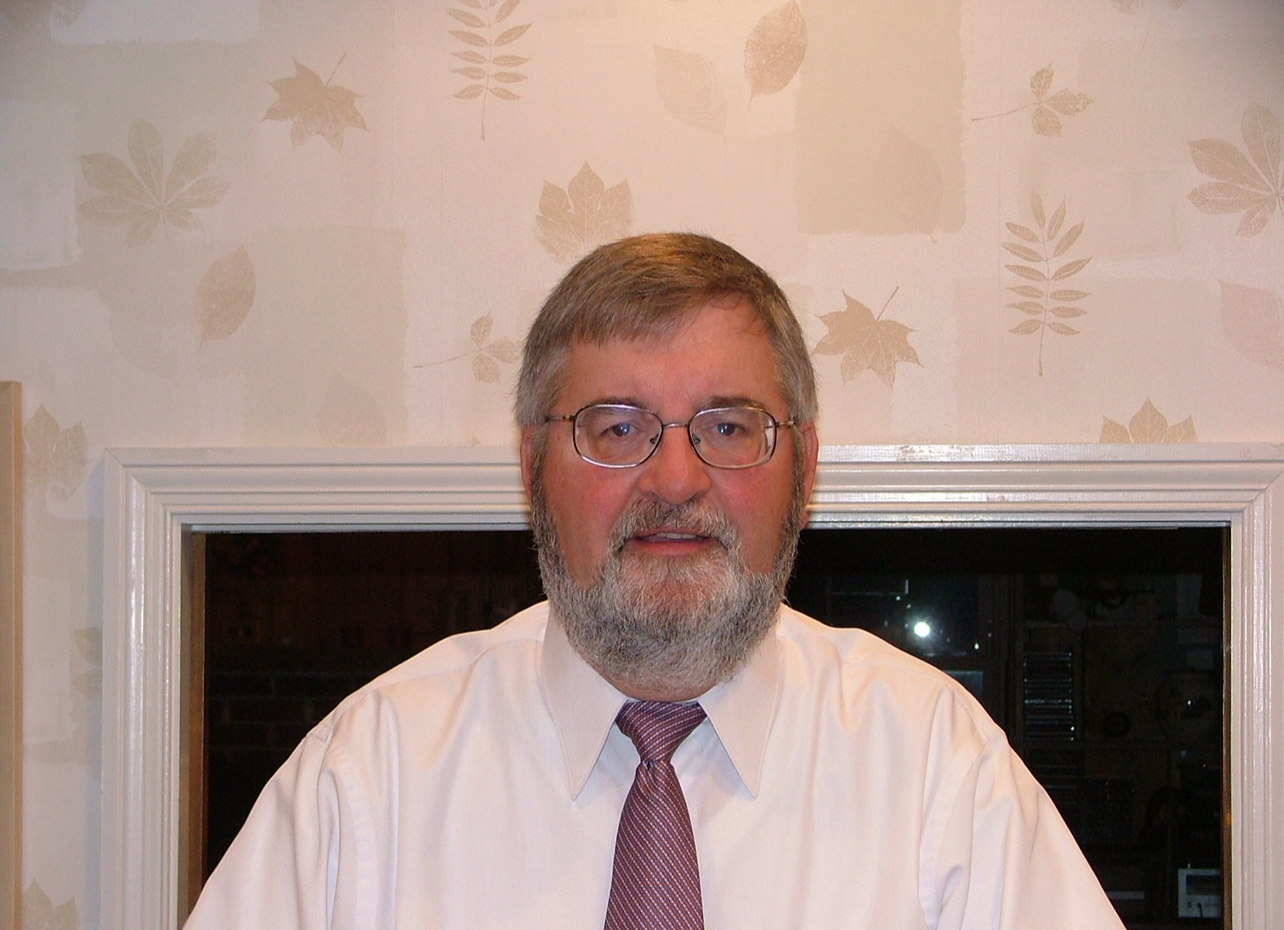
Kenneth W. Rudzinski is a retired financial advisor and published author whose career was built on decades of steady service and integrity. He entered the financial services field in June 1973 with Lincoln National Sales Corp., beginning a professional journey that would span more than forty years.
Starting out in Philadelphia, Pennsylvania, and Wilmington, Delaware, Kenneth quickly developed a passion for helping individuals and professionals plan for the future. His work focused on investments, insurance planning, and fee-based financial planning. Over time, clients came to value his clear approach and thoughtful guidance.
In 1988, Kenneth formed his own practice, The America Group. The firm later merged with Heritage Financial Consultants, LLC, where he served as a Partner. His practice was national in scope, with strong roots in Southeastern Pennsylvania, Delaware, South Jersey, and Northeastern Maryland. He advised clients on retirement planning, estate planning, and long-term risk management.
Kenneth also shared his experience through writing. He is the author of The Physician’s Guide to Avoiding Financial Blunders, a practical book designed to help high-earning professionals make informed decisions.
Now retired in Fort Myers, Florida, Kenneth continues to reflect on a life shaped by purpose and family. He has been happily married to Mary Jane for 56 years, and they have two sons. Kenneth and his family are also proud supporters of St. Jude’s Children’s Hospital, where they are permanently featured on the Legacy Wall.
What is your typical day, and how do you make it productive?
These days, retirement has slowed my pace, but I still like structure. I usually start my morning early in Fort Myers with coffee and reading. During my career, my days were built around client meetings, preparing financial plans, and reviewing insurance and investment details. Even now, I find that having a routine helps me stay grounded. I’ve always believed productivity comes from steady focus, not constant busyness.
How do you bring ideas to life?
I’ve always brought ideas to life by breaking them into steps. When I formed The America Group in 1988, it wasn’t one big leap. It was years of learning, building trust, and understanding what kind of practice I wanted. I would take a goal, write it down, and then work through it patiently. That approach helped me build a career that lasted decades.
What’s one trend that excites you?
One trend that excites me is how financial education has become more accessible. When I started in 1973, people didn’t have many resources. Today, professionals can learn through podcasts, books, and online tools. I think more people asking questions and wanting to understand planning is a positive shift.
What is one habit that helps you be productive?
Writing things down. I’ve always kept simple notes. Whether it was a retirement strategy or an estate planning conversation, putting thoughts on paper helped me stay clear and organized.
What advice would you give your younger self?
I would tell myself not to rush. Early in my career, I felt pressure to prove myself quickly. But the best relationships and the best work take time. Integrity and consistency matter more than speed.
Tell us something you believe almost nobody agrees with you on?
I believe simplicity is underrated. Many people think financial planning needs to be complicated to be valuable. I always thought the opposite. The best plans were often the clearest ones.
What is the one thing you repeatedly do and recommend everyone else do?
Ask questions until you truly understand. Whether it’s insurance planning or retirement decisions, people should never feel embarrassed to ask for clarity. Understanding creates confidence.
When you feel overwhelmed or unfocused, what do you do?
I step back and return to basics. During busy years, I would take a walk or review the core goal of the work. Most overwhelm comes from trying to solve everything at once. Focus returns when you prioritize one thing.
What is one strategy that has helped you grow your business or advance in your career?
Building trust through education. Clients stayed with me because I explained things clearly. I wasn’t interested in quick transactions. I wanted long-term relationships. That mindset helped my practice grow nationally, especially across Pennsylvania, Delaware, New Jersey, and Maryland.
What is one failure in your career, how did you overcome it, and what lessons did you take away from it?
Early on, I tried to take on too many clients at once. I thought saying yes to everything was the right move. It wasn’t. I learned that quality matters more than quantity. After that, I focused on providing deeper service instead of spreading myself thin.
What is one business idea you’re willing to give away to our readers?
Create a business that teaches, not just sells. No matter the industry, people stay loyal when they feel informed and respected. Education builds trust faster than marketing ever will.
What is one piece of software that helps you be productive? How do you use it?
Even in retirement, I still appreciate simple tools like Microsoft Word for organizing writing and notes. When I wrote The Physician’s Guide to Avoiding Financial Blunders, having a straightforward way to draft and revise ideas was essential.
Do you have a favorite book or podcast you’ve gotten a ton of value from and why?
One book that means a lot to me is Man’s Search for Meaning by Viktor Frankl. It’s a reminder that purpose matters, no matter your profession. And of course, writing my own book was a way to share lessons I learned with others.
What’s a movie or series you recently enjoyed and why?
I enjoyed A Man Called Otto. It’s a simple story about kindness, legacy, and the importance of people. Those themes resonate more as you get older.
Key learnings
- Long-term success often comes from consistency, clarity, and trust rather than quick wins.
- Education and simple explanations can build stronger relationships than complicated strategies.
- Integrity and service create a foundation for lasting professional impact.
- Stepping back and focusing on basics is a powerful way to regain direction when overwhelmed.
- A meaningful legacy includes both career contributions and giving back to others.