
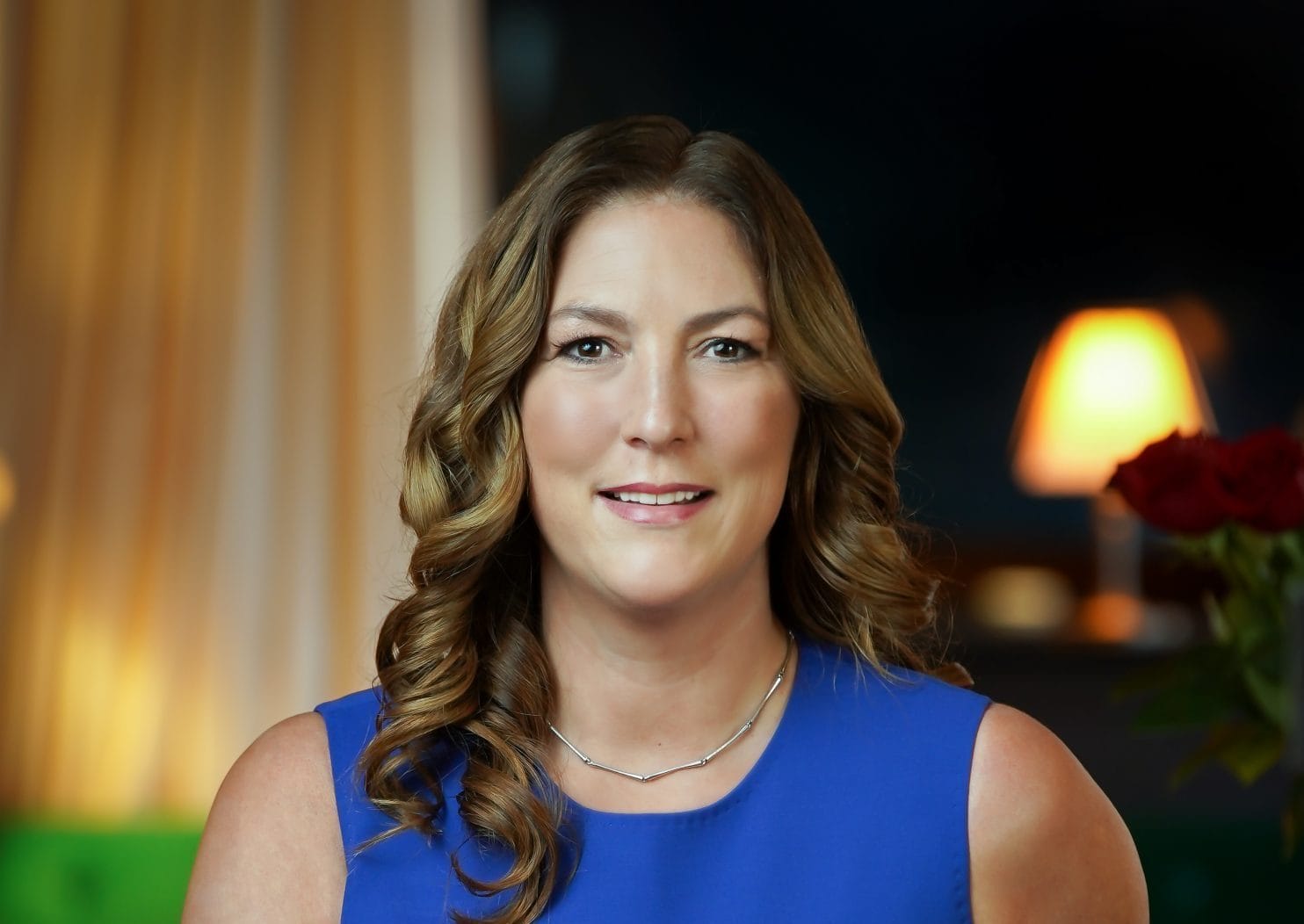
Kimberly Grant is an accomplished global executive and F100 Independent Director at Performance Food Group with over 25 years of experience in the hospitality and consumer industries. She also serves as the Chief Strategy Officer of Fast Acquisition Corporation, a special purpose acquisition company (SPAC). Previously, Grant was the CEO of ThinkFoodGroup for six years and the COO and President of Ruby Tuesday restaurants for 21 years. During her tenure at Four Seasons Hotels and Resorts, she held the position of Global Head of Restaurants and Bars, where she oversaw the company’s worldwide dining operations and strategy.
As an experienced public company director, Grant is considered an audit committee financial expert (ACFE) and has served on all major board committees including Audit, Technology & Cybersecurity, Compensation, and Nomination & Governance.
In her roles as President, CEO and COO, Grant has led large, global decentralized workforces of over 30,000 employees, multi-unit operators, franchisees, and support center operations. She excels at driving growth for both established and emerging companies in operationally intensive consumer and hospitality sectors.
Grant’s financial expertise includes serving as a SPAC co-sponsor and investor, overseeing multi-billion dollar M&A transactions, leading public and private equity offerings, and structuring complex debt financings for high-profile real estate developments. She holds a Master’s degree in Banking and Financial Services.
Recognized as an industry leader, Grant is a member of the NYSE Board Advisory Council. Kimberly has completed board education programs at prestigious institutions including Harvard Business School, Stanford Law School, and UC Berkeley School of Law. With her unique blend of operational, financial and governance experience, Kimberly Grant is a valuable addition to any board.
What is your typical day, and how do you make it productive?
I do not necessarily have a typical day but I do have structure to what needs to happen in my day to be most productive. Move – exercise & walking 10k steps; Restore – sauna, cold plunge, yoga; Plan – morning strategy session to check in on priorities and nightly power down time to plan my next day; and I try really hard to not be back to back – the only way I can do this is by scheduling time blockers on my calendar – including things like taking vitamins or ordering items from Amazon, it serves as good reminders but also helps me sneak 15-minute buffers here and there.
How do you bring ideas to life?
I am a visual person. Usually, I begin by sketching out my thoughts on a blank piece of paper – idea mapping like a flow chart. Once I’ve shaped a concept – I’ll synthesize it down to its core and refine the idea to 3 to 5 core ideas/principles.
My next step is to socialize the idea with key stakeholders to get feedback and first reactions to the idea – based upon this I will further synthesize and refine the concept. At this point, I would present or pitch the idea to a broader group and again continue to refine the message until it is time to bring the idea to life. This process has helped me twofold – first, it helps me to iterate a crude idea to something actionable over time, and second, it helps to be inclusive with the ultimate stakeholders as many were participants in the process along the way and now have a shared ownership in the success of the idea.
What’s one trend that excites you?
Wellness and longevity – there are more resources than ever for people to pursue the healthiest version of themselves. I’m excited how employers are embracing the need for balance and there is less celebration of rewarding quantity of work versus quality of work. I’ve never been a micro-manager – I’ve always allowed my teams to work flexible hours without having to explain every minute so long as the work product was of high quality and on time. I’m happy to see the work-life balance equation reimagined and flexibly supported in most work environments today.
What is one habit that helps you be productive?
Calendar Worship. My life is too busy so I relentlessly manage my calendar. It has all personal and professional obligations no matter what – even if I have to put some “in code” ☺ My favorite calendar item is “CLEAN DESK” – I do this at the end of each day – it helps me mentally shut off for the day, especially with WFH and I know I get to start my next day with a fresh and clean workspace.
What advice would you give your younger self?
To let things play out. My younger self would get distracted and worked up about trivial issues which usually end up resolving themselves as time passes. Sometimes letting things develop naturally takes care of a lot of things. I wasted a lot of time in my younger days worrying about things I could not control versus the things that I could.
Tell us something you believe almost nobody agrees with you on?
That having an extensive travel job is not stressful and that you can actually enjoy it. In the last five years, I have traveled to 21 countries for personal and professional (mostly professional) reasons. I have travel down to a science – so much so that I survive jet lag rather well following my learned protocols. I think when people do not travel a lot – they see all the moving parts and inevitable delays and mishaps and believe they cannot deal with it all but to me, a heavy travel schedule is way easier to navigate than let’s say people who spend 2-3 hours each way in a car dealing with rush hour each day!
What is the one thing you repeatedly do and recommend everyone else do?
I take an annual weeklong wellness trip. I started this about a decade ago. Most of the trips have been hiking oriented but all include limited digital devices, healthy eating, and mindfulness. I realized many years ago that family vacations didn’t really do much to recharge me personally and professionally.
Once I started taking these trips – I learned a few valuable things. One, when you tell co-workers you are on a wellness week – they rarely interrupt you – whereas vacations seem to not deter people! Second, I’ve found the week alone allows me to focus only on myself – not my son, significant other, or friends and this is always a welcome break from responsibility. And lastly, I always feel better and come up with my best ideas when I am my healthiest and most clear-headed self. I’ve completed wellness weeks in British Columbia, Lake Garda Italy, The Dolomites, Northern California, Central Texas, the Berkshires, Thailand, and New Zealand – stunning landscapes and epic experiences. My next one is planned for the Amalfi Coast and I cannot wait.
When you feel overwhelmed or unfocused, what do you do?
I get out into nature. I like to walk or hike outside without headphones – listening to all the sounds of nature. I recently experienced forest bathing on one of my wellness trips to Canada and I learned how to really focus on all of my senses while in nature. It’s a very grounding and calming tool for me.
What is one strategy that has helped you grow your business or advance in your career?
Putting the effort in to maintain relationships with interesting people I meet along the way. I make a point to handwrite notes when I meet someone interesting and usually stay connected from time to time and try to meet for coffee or lunch. Over the years, these spontaneous relationships have evolved into career chapters – like joining my board at PFG or joining Four Seasons – those relationships started nearly a decade before the opportunities developed and I believe my ‘stay in touch’ philosophy played an important part.
What is one failure in your career, how did you overcome it, and what lessons did you take away from it?
As an executive, my foundation is as an operator. In my first executive role, I was leading a consumer-facing operationally intense business and we started to lose market share. We spent an inordinate amount of time soul-searching and looking for opportunities in operations – and of course, found some and made those a priority.
However, my narrow focus on operations did not allow me to be as critical of other aspects – namely real estate and that key market points were shifting. A big factor in the loss of market share was that we did not have an aggressive enough relocation strategy or culling of the bottom performers. This was a valuable lesson and taught me that underperforming businesses are just as important or more important than losing businesses.
What is one business idea you’re willing to give away to our readers?
Rethinking talent recruitment. Posting for jobs describing the ideal candidate and skills but maybe not including the company or sector. Sometimes candidates opt out of opportunities because they do not necessarily have a specific skill set or background. But learned a valuable lesson when Apple stores started to first enter the retail arena and their mandate was to hire from the restaurant industry! Apple was seeking skills not experience necessarily – and was confident they could teach the rest. I’ve used this time over time in looking at alternative talent sources and it has worked like a charm.
What is one piece of software that helps you be productive? How do you use it?
Not sure productive is the right word but it helps me to maximize my loyalty programs and credit card benefits. I like using the TPG app to track all my spending – it tells me which credit cards offer which benefits and anytime I use the wrong card and miss out on benefits or points. It’s a really great tool.
Do you have a favorite book or podcast you’ve gotten a ton of value from and why?
This isn’t a podcast per se but I really enjoyed a short course I recently took online with The Flow Collective – ‘Zero to Dangerous’ – it’s a growth mindset module-like learning platform that leverages podcast-like technology and small discussion groups. I thought this was one of the most impactful things I have done in years. The value is that much of it is backed by science and they give you real strategies for opening up barriers to productivity. It ultimately taught me how to free up time to be more strategic and creative versus getting caught up in all the tasks that need to be completed each day. It is a great program for an executive, an entrepreneur, or just someone who wants to be focused on their best and highest use as well as feel fulfilled in their work and life every day.
What’s a movie or series you recently enjoyed and why?
I have two – ‘Drops of God’ – a great thriller series based upon the world of wine. Loved it.
The second is ‘The New Look’ – a wonderful mini-series based on true events focused around the fashion industry during the 1940s – I found it fascinating to learn about the paths of Christian Dior and Coco Chanel. Both have wonderful acting and are novel in the content.
Key learnings
- Structured Flexibility in Daily Routine: Kimberly describes her approach to productivity, which involves a mix of scheduled activities and built-in buffers throughout her day. This includes time for exercise, strategic planning, and rest, managed through careful calendar planning.
- Inclusive Idea Development: Kimberly details her method for developing ideas, which involves an iterative process of sketching, refining, and gathering stakeholder feedback. This method is intended to ensure thorough development and stakeholder buy-in before implementation.
- Emphasis on Wellness and Work-Life Balance: She notes the shift in modern work environments towards supporting wellness and work-life balance. Her management style accommodates flexible work hours, focusing on output quality rather than quantity.
- Personal Time for Mental Clarity: Kimberly highlights the importance of dedicating time to personal wellness, such as her annual wellness trips, which help her maintain mental clarity and creativity. She views these breaks as essential for her overall well-being.
- Building and Maintaining Professional Relationships: She discusses the importance of nurturing relationships over time as a key to career progression. Regular, informal interactions have helped her expand her professional network and open up future opportunities.