
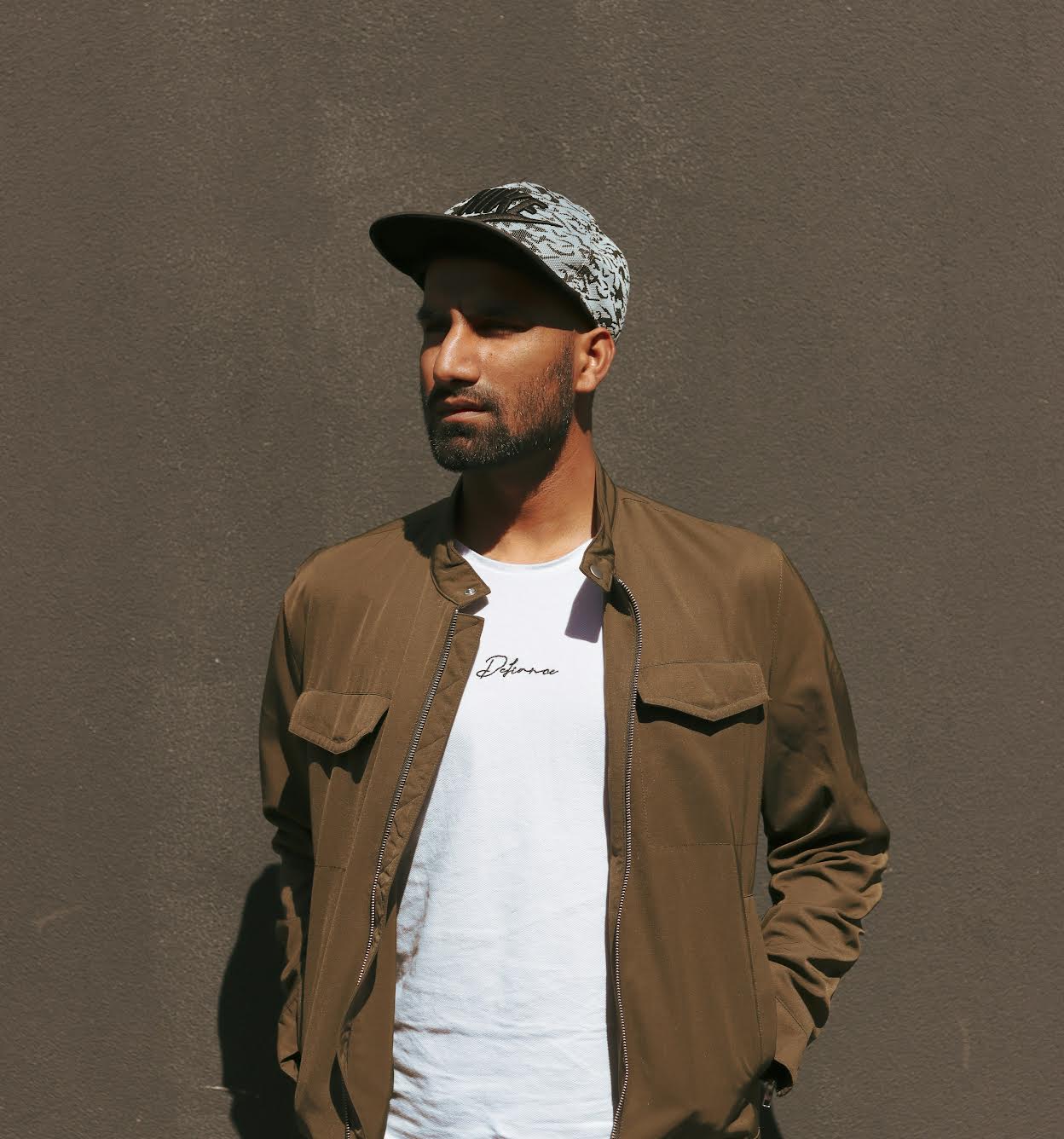
Kunal Dilip Dhanak is a renowned cybersecurity strategist and AI ethics specialist based in Toronto, Ontario, Canada. With a strong foundation in computer science and a passion for ethical technology, Kunal has dedicated his career to addressing the complex challenges at the intersection of artificial intelligence and cybersecurity. His expertise lies in developing robust cybersecurity frameworks that not only protect sensitive data but also uphold the highest ethical standards in AI development.
Kunal is widely respected for his analytical approach to problem-solving and his ability to navigate the rapidly evolving digital landscape. He has been instrumental in guiding organizations on how to implement AI technologies responsibly, ensuring that they are transparent, fair, and aligned with societal values.
Throughout his career, Kunal has been a vocal advocate for the importance of ethical considerations in technology, particularly as AI becomes more integrated into everyday life. His work is marked by a commitment to continuous learning and collaboration, often seeking diverse perspectives to drive innovation.
In addition to his professional accomplishments, Kunal is an avid supporter of cybersecurity education, particularly for underprivileged communities, believing that knowledge is key to building a safer, more equitable digital future.
What is your typical day, and how do you make it productive?
A typical day for me starts early, around 5:30 AM. I begin with some light exercise, usually a quick jog or yoga, which helps clear my mind and sets a positive tone for the day. Afterward, I spend time reviewing the latest developments in AI and cybersecurity, reading through research papers, news, and updates in the industry. My workday is structured around a mix of strategic planning, meetings with teams or clients, and deep work sessions where I focus on solving complex problems or developing new frameworks. I make my day productive by setting clear priorities and focusing on tasks that align with my long-term goals. I also use the Pomodoro Technique to maintain focus during work sessions, breaking tasks into manageable chunks with short breaks in between.
How do you bring ideas to life?
Bringing ideas to life is a process that starts with thorough research. I’m a firm believer in understanding the landscape before diving into execution. Once I have a solid foundation, I collaborate with my team to brainstorm and refine the idea, incorporating diverse perspectives to strengthen the concept. From there, we develop a detailed action plan, breaking down the idea into actionable steps. I prioritize continuous feedback, so we often test and iterate on the idea, making adjustments as we go. It’s a dynamic process that involves a lot of trial and error, but it’s essential for ensuring that the final product or solution is robust and effective.
What’s one trend that excites you?
One trend that excites me is the growing focus on AI ethics and the responsible use of AI. As AI becomes more integrated into our daily lives, the conversation around its ethical implications is gaining momentum. I’m particularly interested in how we can develop frameworks that ensure AI systems are transparent, fair, and accountable. This trend represents a critical shift in how we think about technology—not just in terms of what it can do, but also in terms of its impact on society.
What is one habit that helps you be productive?
One habit that helps me stay productive is setting aside time for deep work every day. During these sessions, I eliminate all distractions—no emails, no phone calls, and no meetings. This time is dedicated solely to tackling complex tasks that require intense focus and creative problem-solving. I find that these deep work sessions are where I produce my best work and make the most progress on key projects.
What advice would you give your younger self?
I would tell my younger self to embrace failure and view it as a learning opportunity. Early in my career, I was often afraid of making mistakes, but I’ve since learned that failure is an essential part of growth. Each setback is an opportunity to learn, adapt, and come back stronger. Don’t be afraid to take risks and push the boundaries of what you think is possible.
Tell us something you believe almost nobody agrees with you on?
I believe that AI should be subject to more stringent regulatory oversight, much like other critical technologies such as pharmaceuticals. While many in the tech industry advocate for innovation without restriction, I argue that the potential risks of AI—particularly in cybersecurity and privacy—necessitate a more cautious and regulated approach. This ensures that AI developments align with societal values and protect individual rights.
What is the one thing you repeatedly do and recommend everyone else do?
I constantly seek out diverse perspectives, both in my professional and personal life. Whether it’s reading about different cultures, engaging in discussions with people from varied backgrounds, or collaborating with interdisciplinary teams, I believe that diversity of thought leads to more innovative solutions and a broader understanding of the world. I recommend everyone embrace this practice—it opens up new ways of thinking and can be incredibly enriching.
When you feel overwhelmed or unfocused, what do you do?
When I feel overwhelmed or unfocused, I take a step back and practice mindfulness. This could be as simple as a few minutes of deep breathing or a short walk outside. I also break down my tasks into smaller, more manageable pieces, which makes the workload feel less daunting. Sometimes, just re-prioritizing my to-do list helps me regain focus and clarity.
What is one strategy that has helped you grow your business or advance in your career?
Building and maintaining a strong network has been invaluable in my career. I make it a point to connect with thought leaders, peers, and mentors in the industry. This not only provides me with diverse insights but also opens up opportunities for collaboration and growth. Networking isn’t just about what others can do for you—it’s about creating a community where knowledge and opportunities are shared.
What is one failure in your career, how did you overcome it, and what lessons did you take away from it?
One significant failure early in my career was underestimating the importance of user experience in a cybersecurity solution I was developing. The product was technically sound, but it was cumbersome for users, leading to poor adoption rates. I overcame this by pivoting quickly—engaging with users, gathering feedback, and redesigning the interface to be more intuitive. The lesson I took away is that no matter how advanced or innovative a technology is, it won’t succeed if it doesn’t meet the needs and expectations of its users.
What is one business idea you’re willing to give away to our readers?
One idea I’m willing to share is the concept of a personalized AI-driven cybersecurity coach for small and medium-sized businesses (SMBs). Many SMBs lack the resources to hire full-time cybersecurity experts, but an AI-driven platform could provide tailored advice, threat detection, and mitigation strategies based on the specific needs and risk profiles of these businesses. It’s a scalable solution that could help bridge the cybersecurity gap for smaller enterprises.
What is one piece of software that helps you be productive? How do you use it?
I rely heavily on Notion for organizing my thoughts, tasks, and projects. It’s a versatile tool that allows me to create customized workflows, track progress, and store important information all in one place. I use it for everything from project management to brainstorming new ideas. The ability to integrate different types of content and collaborate with others in real-time makes it indispensable for me.
Do you have a favorite book or podcast you’ve gotten a ton of value from and why?
One of my favorite books is “Superintelligence” by Nick Bostrom. It’s a thought-provoking exploration of the future of AI and the potential risks and benefits associated with super intelligent systems. The book has significantly influenced my thinking on AI ethics and the importance of careful, deliberate progress in AI development.
What’s a movie or series you recently enjoyed and why?
I recently enjoyed the series “Mr. Robot.” As someone in the cybersecurity field, I found its depiction of hacking culture and cybersecurity challenges both fascinating and surprisingly accurate. It’s a gripping narrative that highlights the ethical dilemmas and psychological complexities involved in the world of cybersecurity, which resonates with many of the issues I deal with professionally.
Key learnings
1. Ethical AI in Cybersecurity: Kunal emphasizes the importance of integrating ethical considerations into AI-driven cybersecurity practices to ensure that technology benefits society while protecting individual rights.
2. Value of Diversity and Continuous Learning: He advocates for seeking diverse perspectives and continuous learning as critical practices that lead to innovation and a broader understanding of complex issues.
3. Overcoming Failure Through User-Centric Design: Kunal’s experience with product failure highlights the necessity of user-centric design in technology development, underscoring the importance of meeting user needs for success.