
Based in Frederick, Maryland, Kurt Weierstall founded Embrasure Home. He has managed the architectural and construction services firm since 2009 and has also served as the head of design. In 2025, he expanded his professional activities by founding the multi-family residential architecture firm Embrasure Housing Studio. Kurt Weierstall is also the founder of Werzog, a commercial project management firm that provides development, project, and construction management services, and the owner of Embrasure Development in Alexandria, Virginia.
Previously, Kurt Weierstall served as the director of real estate at Catawba Corporation in Middleburg. His responsibilities in this role primarily involved overseeing design drawings for a fast-casual retail location and a small mixed-use commercial building in historic Middleburg. He also handled asset management duties for a 35-property portfolio, serving as a lease manager, construction manager, and development manager.
Kurt Weierstall studied real estate at Cornell University. He holds an architecture degree from Syracuse University. He remains involved with his alma mater as a member of the Syracuse University Alumni Network. When he is not supervising his various businesses, he attends construction industry events, home-building conventions, and modular housing expos.
What is your typical day, and how do you make it productive?
A typical day starts with a quick look at the news and a glance at my calendar to set the tone for what’s ahead. I wake my kids up—sometimes with gentle persuasion, other times with a bit more negotiation when it comes to breakfast choices—and help them get organized for school. The mornings can be a whirlwind, but I cherish these moments of connection before the house empties out and I shift gears into work mode.
My workday is structured around balancing technical architectural design with high-level real estate management. I dedicate my mornings to tasks that require deep focus and creativity, such as drafting design concepts, developing strategic plans, and solving complex architectural problems. These early hours are when my mind is sharpest, and I can immerse myself in the details that set each project apart. As the day progresses into midday, my attention turns to project and asset management. This often means a series of meetings—sometimes back to back—with clients, team members, and stakeholders. I coordinate deliverables, address challenges head-on, and make sure everyone is aligned and moving forward.
By the latter part of the day, my focus shifts to business development activities. I collaborate with contractors and clients or owners, exploring new opportunities, building relationships, and discussing potential projects. This is also the time when I work on proposals or meet new contacts in the industry at networking events, always looking to grow our network and pipeline.
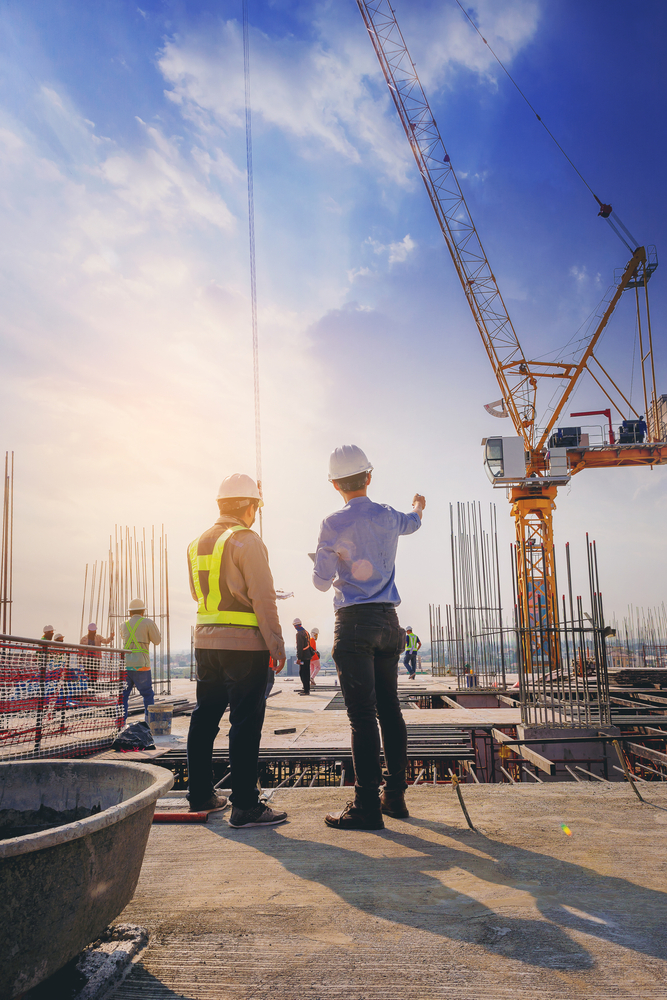
To stay productive throughout the day, I rely on daily operational checks and prefer a hands-on approach. Whether it’s walking a construction site, reviewing plans, or troubleshooting unexpected issues, I make it a priority to identify and resolve project bottlenecks quickly. This keeps momentum up and helps ensure project goals are met.
After work, I make time to recharge and maintain a healthy work-life balance. Hobbies like golf, gardening, and the gym help me unwind and clear my mind so I can return to complex architectural challenges with renewed energy and fresh perspective. These activities are essential for sustaining my mental energy and creativity over the long term.
How do you bring ideas to life?
I bring ideas to life by focusing on my unique ability to bridge the gap between creative architectural concepts and practical real estate execution. My method is rooted in a hands-on approach that transforms vision into reality, guiding projects from initial concept sketches all the way to completed structures that enrich their surroundings and communities. By working closely with clients, consultants, and construction teams, I ensure that each idea is thoroughly explored and refined to meet both aesthetic and operational goals.
I make certain every design is not only visually compelling but also financially sound, drawing upon my dual training in architecture from Syracuse University and business strategy from the Quantic School of Business. This blend of creative and analytical thinking allows me to craft solutions that are feasible within real-world constraints while still pushing the boundaries of design. I conduct thorough market analyses and cost assessments to guarantee that each project stands strong both artistically and economically.
I excel at transforming abstract ideas into tangible structures by managing the entire lifecycle of a project. This includes producing detailed construction drawings, securing necessary building permits, and overseeing land development from initial site analysis to the final build. My commitment to thoroughness and clear communication ensures that every phase is executed with precision, minimizing delays and maximizing quality.
Bringing ideas to life requires a multidisciplinary approach, and I take pride in wearing multiple hats—acting as contractor, developer, and designer—so I can proactively anticipate and resolve construction hurdles before they stall a project. By fostering a spirit of collaboration among all stakeholders, I’m able to navigate challenges efficiently and keep projects moving forward, even when unexpected obstacles arise.
My expertise lies in repositioning and rehabilitation, taking underutilized properties and reimagining them to create new value. This process often involves innovative design interventions, upgrades, and adaptive reuse strategies that breathe new life into spaces. My award-winning work, recognized by the National Association of Home Builders, demonstrates my commitment to excellence and my ability to deliver transformative results that elevate both the property and the broader community.
I excel at turning bold, large-scale visions into reality by skillfully navigating the intricate landscape of regulatory requirements and zoning laws. My hands-on experience allows me to recognize potential legal or logistical obstacles early in the process and develop practical strategies to overcome them. Whether it’s meeting strict city planning codes, responding to unexpected compliance issues, or coordinating with local officials, I ensure that even the most ambitious concepts can be translated into feasible, buildable projects. By maintaining open communication with regulatory bodies and staying up to date with evolving standards, I consistently guide “wild ideas” from the drawing board through the maze of approvals, making certain they are not only inspiring but also fully compliant and achievable within the established legal framework.
What’s one trend that excites you?
One trend that particularly excites me is adaptive reuse, which I view as a powerful way to transform industrial leftovers into vibrant community landmarks. I’ve witnessed firsthand how these projects can breathe new life into forgotten spaces, sparking renewed energy in neighborhoods once considered obsolete or neglected. By actively participating in several adaptive reuse initiatives, I have seen how the process brings together diverse teams of designers, engineers, and community members to collaborate on reinventing the purpose of existing buildings.
Why Adaptive Reuse?
I find excitement in reimagining existing, often gritty industrial structures. These transformations don’t just restore buildings; they preserve stories and memories embedded in their walls, making history accessible and relevant for future generations. Each project becomes a bridge between eras, infusing neighborhoods with a sense of continuity and belonging.
For me, architectural innovation is about more than just looks; it is about shaping how people live, work, and connect by honoring the past while designing for tomorrow. I believe that adaptive reuse creates unique opportunities to foster community engagement and cultural revitalization. These spaces often become hubs for artists, entrepreneurs, and local residents, helping to generate economic growth and new social connections that extend well beyond the building itself.
This trend aligns with my broader interest in climate-responsive structures and AI-driven design, which together rewrite the rules of traditional architecture to be more efficient and socially impactful. By repurposing existing materials and structures, adaptive reuse minimizes environmental waste and significantly reduces the carbon footprint of new development. I am passionate about leveraging innovative design solutions—like smart building technologies and energy-efficient retrofits—that not only make these spaces sustainable but also adaptable to future needs.
What is one habit that helps you be productive?
For me, the habit that consistently fuels my productivity is a commitment to continuous learning and interdisciplinary integration. I believe that by always seeking out new knowledge and skills, I remain adaptable and capable of tackling the evolving challenges in my field.
Why does this habit work so well for me? By broadening my perspectives through ongoing education, I stay ahead of industry shifts. This proactive approach enables me to solve architectural problems with a sharp business-minded edge, rather than relying solely on technical know-how.
I thrive on cross-industry mastery, habitually blending my experiences as an architect, contractor, and real estate manager. This “jack-of-all-trades” discipline means I never design in a vacuum; instead, I fully understand the complexities of permitting, budgeting, and construction that influence every project I undertake. This integrated view allows me to anticipate obstacles and deliver more effective solutions for my clients.
Staying informed is also essential to my process. Whether I’m attending home-building conventions, diving into the latest research in architecture, or connecting with peers across the industry, my curiosity drives me to streamline workflows and avoid the stagnation that can slow down large-scale developments. This mindset not only keeps my projects moving forward efficiently but also ensures I remain passionate and innovative in my work.
What advice would you give your younger self?
If I could offer advice to my younger self, I would urge myself to truly embrace the intersection of diverse disciplines from the very beginning of my journey. I’ve learned that the most innovative ideas often come when you’re willing to step outside your comfort zone and integrate perspectives from fields beyond architecture. Don’t be afraid to explore, experiment, and collaborate with people whose expertise is different from your own. That’s where real growth happens.
If I could go back, I’d tell myself to dive much earlier into the business and financial side of real estate by studying business after the architecture degree. It’s easy to become enamored with the artistry of architectural design, but I’ve realized that it’s the strategic understanding of budgeting, financing, and revenue growth that actually brings those designs to life. By learning the language of business, I discovered how to advocate for my ideas and ensure that creative visions don’t just stay on the drawing board—they get built and make an impact.
I would stress to my younger self the importance of rolling up my sleeves and getting hands-on experience in every aspect of the industry. From producing detailed construction drawings to navigating the often-complex building permit process, immersing myself in these technical details has made me not just a better architect, but an indispensable leader. Understanding the nuts and bolts of how things come together on-site gives you credibility and confidence, and it earns the respect of everyone you work with.
I’ve come to realize that architectural innovation isn’t just about creating beautiful spaces—it’s about people. I would remind myself to focus on projects that genuinely shape how communities connect and grow. When you design with empathy and purpose, your work has the power to foster belonging and transform neighborhoods. Looking back, the most fulfilling moments in my career have come from seeing how thoughtful design can spark positive change in people’s lives.
Finally, I’d encourage myself to remain endlessly curious. The field is always evolving, and staying open to new knowledge—whether by pursuing advanced degrees, learning from mentors, or experimenting with emerging technologies like AI-driven design—has kept me energized and resilient. The willingness to learn continually is what has allowed me to adapt, innovate, and thrive, no matter where my career has taken me.
Tell us something you believe that almost nobody agrees with you on.
To answer this question, let me share my personal philosophy. I’ve always believed that my job as an architect is only half finished if I don’t fully understand the financial and operational realities of the buildings I design. For me, architecture isn’t just an abstract art form or a technical challenge—it’s about creating spaces that work, both aesthetically and economically. Early in my career, I realized that if I wanted my designs to truly succeed, I couldn’t ignore the numbers or leave them to someone else. Strategic budgeting and a focus on revenue growth have become just as essential to my process as the creative vision itself. I’ve seen firsthand that innovation is only possible when you’re fluent in the language of finance and when you understand how every design decision impacts the bottom line.
In today’s world of extreme specialization, I often find myself going against the grain. I believe that an architect shouldn’t just confine themselves to the drawing board. Instead, I strive to be a generalist—to take on the roles of contractor, developer, and estimator. This holistic approach has helped me break down barriers between disciplines and avoid the friction that comes from compartmentalizing expertise. By wearing multiple hats, I’m able to safeguard the integrity of my designs and ensure that my vision carries through every phase of the project.
Above all, I find beauty in utility. While the industry often chases the latest trends or the flashiest facades, I’m much more interested in how a building shapes the lives of the people who use it and responds thoughtfully to its environment. For me, real architectural innovation is measured by the way a space fosters social connection and serves its community—not by how closely it follows fleeting trends. Ultimately, I strive to prioritize the human experience over high-concept design, believing that the most meaningful architecture is both practical and transformative.
What is the one thing you repeatedly do and recommend everyone else do?
For me, maintaining a “boots-on-the-ground” presence is not just advice I give to others—it’s a philosophy I live by every day. I make it a priority to regularly visit construction sites, knowing that real understanding comes from experiencing the environment firsthand. This direct involvement allows me to notice subtleties that would be missed from behind a desk, ensuring that my architectural designs transition seamlessly from paper to reality.
By being on-site, I can tackle problems proactively, addressing building permits and technical issues before they escalate into costly delays. It makes me a more effective contractor and estimator, as I’m able to witness potential challenges early and implement solutions immediately. I find that this approach fosters a sense of trust and respect among the architect, developer, and tradespeople. We’re all working toward a common goal, and face-to-face collaboration helps shape both the social fabric and the community around each project.
Continuous observation inspires me much like golfing and gardening recharge my spirit. I enjoy watching how light moves through a space, how materials respond to their environment, and how people interact within these settings. Each site visit gives me new insights, fueling my passion for future innovation and reminding me why I value being physically present in the spaces I help create.
When you feel overwhelmed or unfocused, what do you do?
When I feel overwhelmed or unfocused, I rely on a blend of physical activity and nature-based recharging to reset my mental energy. Sometimes, the sheer volume of architectural drawings and project details can weigh heavily on my mind, making it difficult to maintain clarity and motivation.
I often turn to hobbies that require both focus and discipline, like playing golf. For me, golf isn’t just a sport, it’s a moving meditation. The steady rhythm of walking the course and concentrating on each shot helps me step away from the intensity of work. As I move, I can feel stress melting away, replaced by a calm that allows me to return to complex design problems with a fresh perspective.
Gardening is another essential part of my routine. Getting my hands in the soil and tending to plants is grounding; it brings me back to the basics and reconnects me with the earth. This tactile experience isn’t just about relaxation—it’s a reflection of my professional philosophy. I believe architecture should be climate-responsive and deeply connected to its environment, and my personal connection to nature informs my work and keeps me centered.
Whenever I sense the monotony of the office setting in, I make it a point to travel or visit a winery. These escapes offer new visual and sensory experiences, helping to clear the mental fog that can develop during long, intense project management cycles. The change of scenery and the stories behind each place I visit often spark new ideas and keep my creative energy alive.
To avoid the chronic burnout so common in the architectural profession, I break large, overwhelming projects into smaller, bite-sized tasks. This methodical approach is key for me, especially when managing multistate real estate portfolios. By focusing on one manageable goal at a time, I ensure that even the most complex projects remain achievable, and I stay motivated throughout the process.
Each of these strategies helps me maintain a healthy balance between work and personal well-being. They aren’t just habits—they’re lifelines that allow me to thrive both professionally and personally, even when the demands are high.
What is one strategy that has helped you grow your business or advance in your career?
For me, the cornerstone of my career advancement has been what I call cross-disciplinary diversification, the deliberate refusal to be “just” an architect. Instead of confining myself to one role, I’ve intentionally broadened my expertise to span general contracting, land development, and project estimation. This “design-build-manage” trifecta enables me to present clients with a comprehensive, one-stop solution, ensuring every project I touch is not only beautifully designed but also practical and feasible from both construction and financial perspectives.
As my career progressed, I recognized that moving beyond design into senior leadership required sharpening my business skills. Pursuing an executive MBA was a pivotal decision; it equipped me with the tools for strategic budgeting and revenue growth. This business acumen paved the way for me to take on management of large, multistate real estate portfolios. The shift meant I was not just creating spaces but also driving the financial success and operational efficiency of entire property portfolios.
My technical fluency has also been a critical asset. By thoroughly understanding the building permit process and regulatory requirements, I’ve positioned myself as a leader who can proactively eliminate project bottlenecks. This expertise has not only allowed projects to move forward smoothly but has also earned me industry recognition, including awards from the National Association of Home Builders.
Perhaps most importantly, my commitment to adaptability has been the key to sustaining and growing my business, especially during economic downturns. When new construction opportunities slow down, my experience in repositioning and rehabilitating existing properties lets me uncover value through adaptive reuse. This resilience means I am able to navigate market shifts and continue delivering results for my clients no matter the circumstances.
What is one failure in your career, how did you overcome it, and what lessons did you take away from it?
A failure in my career wasn’t really a failure as much as it was a profound lesson that shaped who I am today. Looking back, the first time I was let go from a job was humbling and eye-opening. The cracks of the Great Recession were starting to appear, but I was young, inexperienced, and admittedly a bit naive—I wasn’t paying attention to the warning signs around me. One day, management called me and two others into a meeting and let us go in the first wave of layoffs. Within days, the entire economy was crashing down, and I found myself staring at an empty job market with no real prospects.
In that moment of uncertainty, I chose not to wallow in disappointment. Instead, I leaned into resilience and did what I always try to do when faced with adversity—I pivoted. I put my head down, started my own company, and got my General Contractor’s license. I launched a design-build firm from the ground up, navigating through countless setbacks, learning from every bruise and misstep along the way. Your career will always have ups and downs; often, it’s your ability to pivot and adapt that determines whether you sink or swim.
I realized that if I wanted to survive and thrive, I couldn’t just stick to what I knew. Instead of retreating, I made it my mission to broaden my skills beyond architecture. I aggressively sought hands-on experience by working as a contractor, developer, and estimator. Trading the drafting table for the job site, I gained a deeper understanding of how projects come together in the real world.
That experience empowered me to make smarter decisions, anticipate market shifts, and lead my business with confidence.
What is one business idea you’re willing to give away to our readers?
“Digital Twin” Consultancy for Adaptive Reuse.
This venture would specialize in creating highly accurate digital replicas—digital twins—of aging or abandoned industrial buildings. While standard adaptive reuse focuses on physical reconstruction, this business would provide the “digital foundation” necessary to make repositioning historic assets faster, cheaper, and lower risk.
What is one piece of software that helps you be productive? How do you use it?
Vectorworks is the backbone of my productivity. I rely on it to create precise construction drawings and architectural plans, making sure every detail is accurate for the real world. With digital schematics, I move through the permit and regulatory process quickly because revisions and sharing with city officials are simple. As a senior real estate manager, I connect design software with project management tools so I can monitor budgets and timelines, keeping projects on track financially. I also use the software to push boundaries—experimenting with AI-driven designs and sustainable, climate-responsive models long before construction begins.
What is the best $100 you recently spent? What and why?
The best $100 I have recently spent was on taking out the board members of a local nonprofit organization for our holiday outing. As a current board member myself, I am deeply committed to the mission of this nonprofit, which is dedicated to healing abused children through the power of art therapy. The organization’s work equips these children with vital skills, preparing them for a successful transition into high school.
This cause holds a special place in my heart. While I wish I could contribute more than just my time, supporting the organization in this way allowed me to express my gratitude to fellow board members and strengthen our shared commitment. The value of this investment went far beyond the monetary amount, reinforcing my dedication to a mission that truly makes a difference in the lives of vulnerable children.
Do you have a favorite book or podcast you’ve gotten a ton of value from and why?
Malcolm Gladwell’s “Outliers” resonates deeply with me because it mirrors my own career path of unconventional skill stacking and the importance of timing.
The 10,000-Hour Rule: my diverse mastery as an architect, contractor, developer, and estimator reflects the book’s premise that mastery comes from immense practice. I’ve spent decades refining the technical nuances of construction drawings and building permits, accumulating the “hours” necessary to lead complex projects.
Gladwell argues that success isn’t just about individual talent, but about the opportunities afforded to us. I apply this by creating opportunities for underutilized assets through repositioning and rehabilitation, essentially finding the “hidden potential” in real estate that others overlook.
The book distinguishes between high IQ and “social savvy” or practical intelligence. I use this “street smarts” approach to bridge the gap between architectural innovation and the financial realities of real estate management.
Gladwell explores how our backgrounds shape our success. My commitment to community-shaping architecture aligns with the idea that our work should leave a lasting legacy on the culture and environment around us.
By viewing my career through the lens of “Outliers,” I reinforce my belief that being a jack-of-all-trades isn’t just a choice—it’s a strategic accumulation of specialized experiences that makes my perspective unique in the industry.
What’s a movie or series you recently enjoyed and why?
For me, Christopher Nolan’s “Inception” is a striking metaphor for how I approach architecture and real estate strategy. Like Ariadne in the film, I design complex, functional environments that must be both innovative and grounded in reality. The movie’s emphasis on making the impossible real mirrors my hands-on approach—turning visionary concepts into projects that are both physically and financially feasible. Every successful development starts as a single idea, nurtured through careful planning, permitting, and construction until it becomes part of the community. Managing intricate details and aligning every layer of a project is as essential in my work as it is in the film’s intricate dream worlds.
Key learnings
- Long-term success in development is often tied to a “generalist” approach—
mastering the intersection of architectural design, general contracting, and estimation allows for more seamless project execution and fewer logistical bottlenecks. - Design excellence must be supported by financial literacy—incorporating strategic budgeting and seeking advanced business education ensures that innovative concepts are economically viable and sustainable.
- Being physically present onsite bridges the gap between construction drawings and the physical building, fostering better collaboration with contractors and tradespeople.
- Innovation in the built environment often comes from repositioning existing assets.
- Maintaining productivity in high-pressure roles requires disciplined mental resets.