
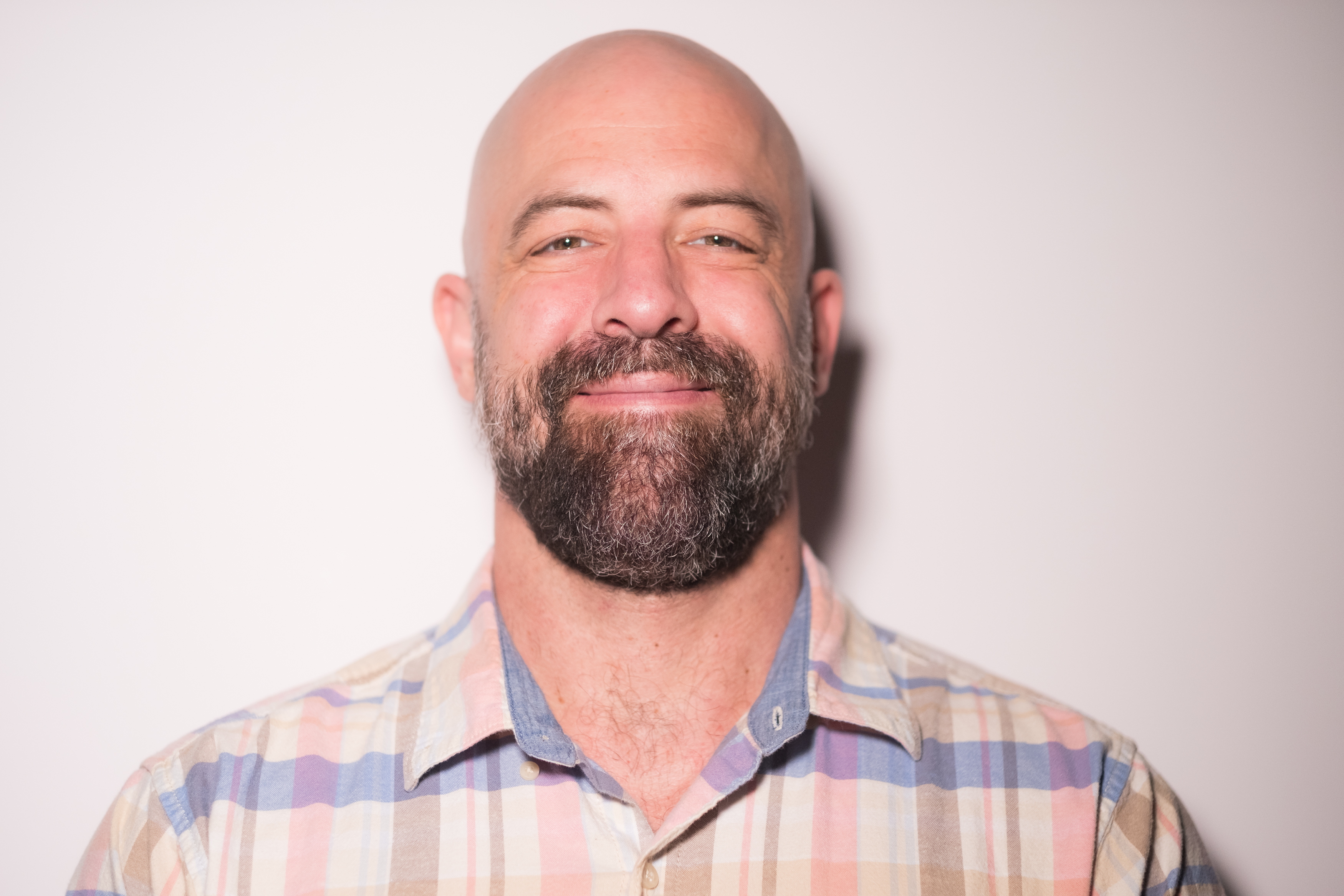
Dr. Leigh Beveridge grew up in Australia in a household that valued both structure and imagination. One parent worked in education, the other in technical fields. From an early age, he learned to ask questions and pay attention to detail. He spent his childhood reading, drawing, experimenting with science, and observing how people interact. Curiosity came naturally, and it never really left.
That curiosity guided him through accelerated schooling and into biomedical science at Monash University, where he earned academic honors. He later completed medical school at the University of Tasmania, again graduating with distinction. During those years, he became interested not only in medicine but in how ideas move through systems. Why do some breakthroughs reach patients, while others stall?
Those questions led him into hematology, immunology, and eventually drug development. Over time, he took on senior leadership roles in global biotechnology, helping guide late-stage clinical programs and shape strategy across complex disease areas. He complemented his medical background with formal training in pharmaceutical development and later an MBA, expanding his understanding of how science, teams, and decisions come together.
Alongside his professional work, Leigh has remained deeply committed to mentorship, teaching, and inclusion. He has supported LGBTQ+ representation in STEM, mentored early-career scientists, and volunteered in community-focused roles. Outside of work, he enjoys writing, dancing, traveling, and creative problem-solving. His path reflects a steady belief that meaningful progress comes from clarity, empathy, and the patience to follow ideas all the way through.
What is your typical day, and how do you make it productive?
My days are structured but flexible. I usually start early with a quiet hour to read or review material before meetings begin. That time helps me think clearly before reacting to inputs. During the day, I focus on a small number of decisions that truly matter rather than trying to do everything. I end most days by writing down what I learned, not just what I completed.
How do you bring ideas to life?
I pressure-test ideas early. I talk them through with people who think differently than I do. If an idea survives those conversations, I break it into steps and assign ownership. Big ideas only move when someone is responsible for the next small action.
What’s one trend that excites you?
I’m excited by how hematology is shifting toward precise immune and complement-based therapies. The science is becoming more targeted, and that opens the door to treatments that are both effective and tolerable. It feels like we’re finally learning how to tune the system instead of shutting it down.
What is one habit that helps you be productive?
I keep a daily “learning window.” Twenty to thirty minutes with no agenda. I read, listen, or explore something unrelated to the task in front of me. It keeps my thinking flexible.
What advice would you give your younger self?
Slow down when things feel uncertain. Confusion often means you’re close to learning something important. Don’t rush past it.
Tell us something you believe almost nobody agrees with you on?
I believe most burnout comes from unclear priorities, not workload. When people know why something matters, they can handle a lot more than they think.
What is the one thing you repeatedly do and recommend everyone else do?
Write things down. Ideas, decisions, doubts. Writing forces clarity and reveals gaps in thinking.
When you feel overwhelmed or unfocused, what do you do?
I change environments. A walk, a different room, or a notebook instead of a screen. Physical movement helps reset my attention.
What is one strategy that has helped you grow your business or advance in your career?
Learning to translate between groups. Scientists, clinicians, regulators, and business teams all speak different languages. Being able to connect them creates trust and momentum.
What is one failure in your career, how did you overcome it, and what lessons did you take away from it?
Early on, I pushed a project forward without listening enough to frontline feedback. It stalled. I learned that speed without alignment creates resistance. Now I slow down upfront.
What is one business idea you’re willing to give away to our readers?
Create structured mentorship circles instead of one-to-one mentoring. Small groups learn faster and support each other better.
What is one piece of software that helps you be productive? How do you use it?
Notion. I use it to track ideas, articles, reflections, and long-term projects in one place.
Do you have a favorite book or podcast you’ve gotten a ton of value from and why?
Thinking in Bets by Annie Duke. It changed how I think about decisions under uncertainty.
What’s a movie or series you recently enjoyed and why?
The Bear. It shows how pressure, creativity, and leadership collide in real environments.
Key learnings
- Clear thinking and communication matter more than speed when bringing ideas to life.
- Small daily learning habits protect focus and prevent burnout over time.
- The ability to translate between disciplines accelerates progress in complex systems.
- Writing is a powerful tool for clarity, reflection, and better decisions.
- Sustainable success comes from listening closely before acting.