
Leigh Tesar is a Miami-based Senior Event Coordinator who has built her career around bringing people, ideas, and details together. Born in 1997 and raised in Miami, she became interested in organizing activities at a young age. She often helped with school projects, community events, and group activities, and she enjoyed being the person who could create structure when a lot of moving parts were involved.
After graduating from high school in 2016, Tesar attended Miami Dade College, where she studied Business Administration. Her coursework included business communication, marketing, hospitality management, project coordination, customer relations, and organizational leadership. She graduated in 2019 and continued learning through professional workshops focused on event operations, vendor management, budgets, technology, and guest experience.
Tesar began her career as an Event Assistant in 2019. The role gave her hands-on experience with vendor communication, registration, event materials, timelines, and on-site operations. In 2021, she advanced to Event Coordinator and began managing events from planning through completion.
Since 2024, Tesar has worked as a Senior Event Coordinator. Her experience includes corporate conferences, networking events, private celebrations, community gatherings, fundraisers, brand activations, award ceremonies, and company events.
Outside of work, Tesar enjoys photography, travel, cooking, live music, Miami cultural events, local restaurants, and hosting small gatherings. She also enjoys sharing what she has learned with newer event professionals. Her approach is simple: preparation matters, communication matters, and the best events begin with understanding what people actually want to experience.
What is your typical day, and how do you make it productive?
My days depend on what stage an event is in. I might start with client emails, review vendor updates, check timelines, or confirm details with a venue. Later, I could be in meetings, reviewing layouts, checking registrations, or solving last-minute issues.
I try to identify three things that absolutely need to move forward that day. Event work can create a very long to-do list, so prioritizing keeps me from confusing activity with progress.
How do you bring ideas to life?
I start by asking what the idea is supposed to accomplish. A client might say they want something elegant, energetic, relaxed, or memorable, but those words mean different things to different people.
Once I understand the goal, I break it into smaller decisions. Venue, layout, food, timing, entertainment, lighting, guest flow, and communication all need to support the same idea.
What’s one trend that excites you?
I like the shift toward more intentional guest experiences. People seem less interested in events that simply look impressive and more interested in experiences that feel personal.
That can mean interactive elements, better seating areas, thoughtful food choices, local vendors, or simply creating more opportunities for people to actually talk to one another.
What is one habit that helps you be productive?
I write everything down immediately. If someone changes a delivery time, confirms a headcount, or mentions a small preference, I document it. In event planning, small details become big problems when people assume they will remember them later.
What advice would you give your younger self?
I would tell myself that being calm is a skill.
When I first started, I thought being good at events meant making sure nothing went wrong. Eventually, I learned that something unexpected will almost always happen. The real skill is responding without making the problem bigger.
Tell us something you believe almost nobody agrees with you on?
I think some events are overplanned. There is a point where adding another activity, decoration, speech, or interactive element makes the experience worse instead of better. Guests need some space to talk, look around, or simply enjoy being there.
What is the one thing you repeatedly do and recommend everyone else do?
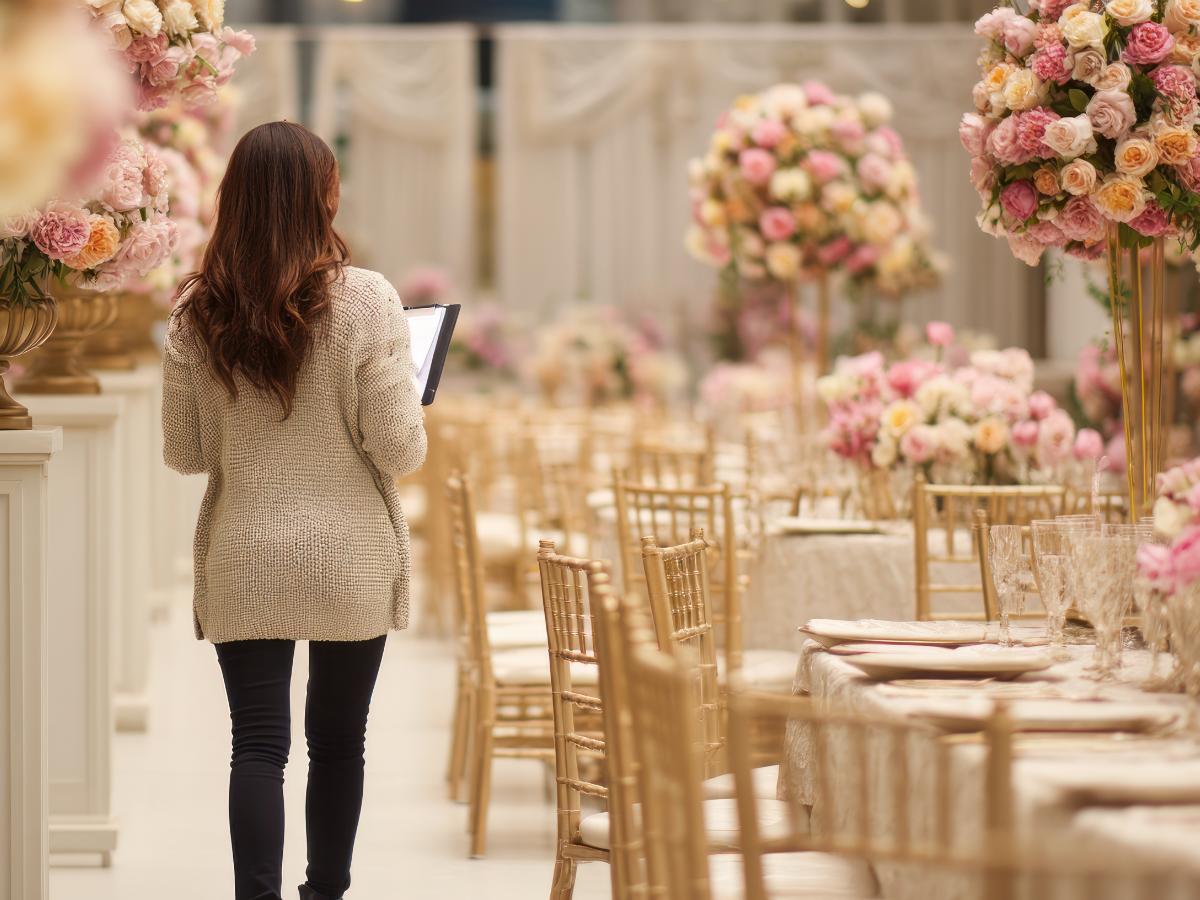
Do a final walkthrough from the guest’s perspective. I try to imagine arriving without knowing anything about the event. Is it obvious where to enter? Where do you check in? Where do you put your bag? Can you hear the speaker? Is there enough time to get food? That perspective catches things that planning documents sometimes miss.
When you feel overwhelmed or unfocused, what do you do?
I stop looking at the entire project and focus on the next decision.
If I think about fifty unfinished tasks at once, everything feels urgent. If I ask, “What needs an answer right now?” the situation becomes much easier to manage.
I also like taking short walks when possible. Being outside for ten minutes can reset my attention.
What is one strategy that has helped you grow your business or advance in your career?
Learning the operational side of events helped me advance.
Early in my career, I paid attention to tasks that weren’t glamorous. Registration tables, vendor arrival times, extension cords, loading schedules, printed materials, and backup plans taught me how events actually function.
Understanding those details made it easier to take on more responsibility later because I wasn’t only thinking about the creative side.
What is one failure in your career, how did you overcome it, and what lessons did you take away from it?
Early in my career, I once relied too heavily on a verbal vendor confirmation. A delivery detail changed, but because I hadn’t followed up with a written confirmation, there was confusion on the event day.
We solved it, but it taught me to document important decisions.
Now, if something affects timing, cost, setup, or guest experience, I want it written down somewhere everyone can reference.
What is one business idea you’re willing to give away to our readers?
I would create a service that offers “event logistics audits.”
A planner or business could submit their event timeline, venue layout, vendor schedule, and guest flow plan before an event. Someone outside the project would review it specifically for overlooked logistical problems.
Sometimes a fresh set of eyes can catch obvious issues that a team has stopped seeing because they have looked at the plan too many times.
What is one piece of software that helps you be productive? How do you use it?
Google Sheets is probably the tool I use most consistently. I use spreadsheets for vendor lists, budgets, timelines, contact information, guest counts, and status tracking. I like being able to keep information organized in one place and update it quickly when something changes.
Do you have a favorite book or podcast you’ve gotten a ton of value from and why?
I like The Checklist Manifesto by Atul Gawande.
It isn’t specifically about event planning, but the idea that simple systems can prevent avoidable mistakes really connects with my work. Events involve many people completing small tasks at specific times. A good checklist creates consistency without making the process complicated.
What’s a movie or series you recently enjoyed and why?
I recently watched The Bear and really enjoyed it. Obviously, a restaurant kitchen is different from event planning, but I recognized the pressure of coordinating people, timing, communication, and details while everything is moving quickly. I also liked how much the show focuses on preparation and teamwork behind something customers experience for only a short time.
Key learnings
- Break large ideas into smaller decisions that can be planned, assigned, and measured.
- Document important details rather than relying on memory or verbal agreements.
- Review plans from the customer’s or guest’s perspective to identify overlooked problems.
- Learn the operational side of a profession before focusing only on the visible or creative parts.
- When work feels overwhelming, focus on the next decision instead of the entire project.