
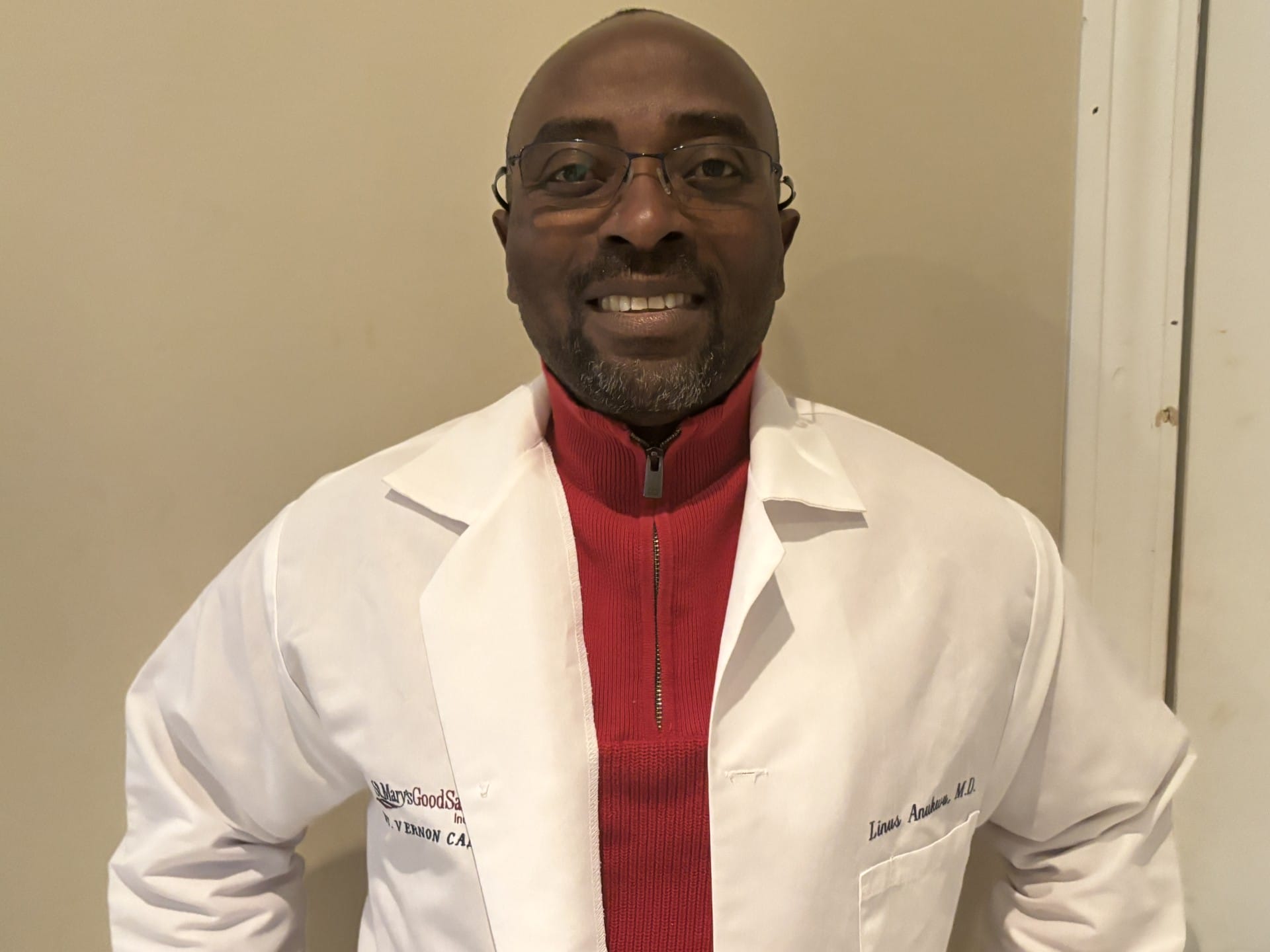
Linus Anukwu, MD, MBA, is a highly accomplished physician specializing in addiction medicine, hospitalist care, and medical research. With over two decades of experience, he has worked extensively in outpatient addiction treatment, intensive care units, and critical hospital settings. Dr. Anukwu’s career spans clinical practice, academic research, and healthcare leadership, making him a sought-after expert in the field.
A graduate of the University of Lagos (MBBS) and a Johns Hopkins Fellowship recipient in Clinical Immunology, Dr. Anukwu later pursued an MBA at the University of Illinois, Urbana-Champaign to enhance his expertise in healthcare management. His work focuses on reducing the stigma surrounding addiction, implementing evidence-based treatment approaches, and improving healthcare accessibility for patients struggling with substance use disorders.
Beyond patient care, Dr. Anukwu is passionate about medical education, mentorship, and research, frequently contributing to academic publications and professional conferences. He remains at the forefront of medical advancements, striving to bridge the gap between scientific research and practical application in addiction medicine.
What is your typical day, and how do you make it productive?
My day begins early with patient rounds, reviewing case files, and collaborating with healthcare teams. Productivity comes from structured time management, prioritizing urgent cases, and leveraging technology to streamline administrative tasks. I also dedicate time to medical research, mentoring students, and engaging in professional development.
How do you bring ideas to life?
I rely on a mix of scientific research, real-world case studies, and interdisciplinary collaboration. Innovation in medicine requires continuous learning and adaptability. I test ideas through clinical trials, peer discussions, and patient feedback before implementing them on a larger scale.
What’s one trend that excites you?
The integration of AI in healthcare excites me. AI-powered diagnostics, predictive analytics, and personalized treatment plans are revolutionizing patient care. These technologies allow for earlier disease detection, optimized treatment outcomes, and improved efficiency in hospital settings.
What is one habit that helps you be productive?
I practice deep work, meaning I set aside distraction-free periods for intense focus. Whether it’s analyzing research, consulting on complex cases, or strategizing treatment plans, minimizing interruptions helps maximize efficiency.
What advice would you give your younger self?
“Focus on long-term impact over short-term gains.” I would tell my younger self to embrace challenges, seek mentorship earlier, and remain committed to lifelong learning. Every experience—success or failure—contributes to personal and professional growth.
Tell us something you believe almost nobody agrees with you on?
I strongly believe that preventive medicine should be at the core of addiction treatment. While many focus on rehabilitation after addiction takes hold, I argue that early intervention and community-based education can significantly reduce substance use disorders before they escalate.
What is the one thing you repeatedly do and recommend everyone else do?
I prioritize self-reflection. Taking time to evaluate past decisions, learn from experiences, and adapt strategies ensures consistent improvement in both professional and personal life.
When you feel overwhelmed or unfocused, what do you do?
I step away from work and practice mindfulness or physical activity. Whether it’s meditation, a short walk, or simply deep breathing exercises, these techniques help me reset and regain focus.
What is one strategy that has helped you grow your business or advance in your career?
Networking and building relationships with industry experts. Medicine is an ever-evolving field, and staying connected with researchers, policymakers, and fellow physicians opens doors to new opportunities, collaborations, and advancements.
What is one failure in your career, how did you overcome it, and what lessons did you take away from it?
Early in my career, I underestimated the importance of communication in patient care. A lack of clear patient education led to misunderstandings. I learned to prioritize clear, compassionate communication, ensuring that patients fully understand their treatment plans and options.
What is one business idea you’re willing to give away to our readers?
A mobile addiction recovery app that provides personalized therapy sessions, progress tracking, and a support community. Many patients struggle with access to treatment, and a well-designed app could bridge that gap.
What is one piece of software that helps you be productive? How do you use it?
I use Notion to organize research, patient notes, and professional development plans. It’s an excellent tool for structuring complex information and staying on top of multiple projects.
Do you have a favorite book or podcast you’ve gotten a ton of value from and why?
Book: “Atomic Habits” by James Clear – It emphasizes small, consistent changes that lead to long-term success, a principle I apply in both medicine and personal growth.
Podcast: The Peter Attia Drive – It provides cutting-edge insights on health, medicine, and longevity from leading experts.
What’s a movie or series you recently enjoyed and why?
I recently watched “The Surgeon’s Cut” on Netflix. It showcases the lives of medical pioneers and their groundbreaking work, which I find both inspiring and deeply relevant to my field.
Key learnings
- AI in Healthcare – The future of medicine lies in AI-driven diagnostics and predictive treatment planning.
- Deep Work Enhances Productivity – Eliminating distractions for focused work leads to better patient outcomes and research advancements.
- Networking Drives Career Growth – Collaborating with experts, mentors, and industry leaders accelerates professional success.
- Preventive Medicine is Crucial – Educating communities on addiction prevention reduces substance abuse rates before they escalate.
- Effective Communication is Key in Healthcare – Ensuring clear patient education improves adherence to treatment plans and overall care outcomes.