
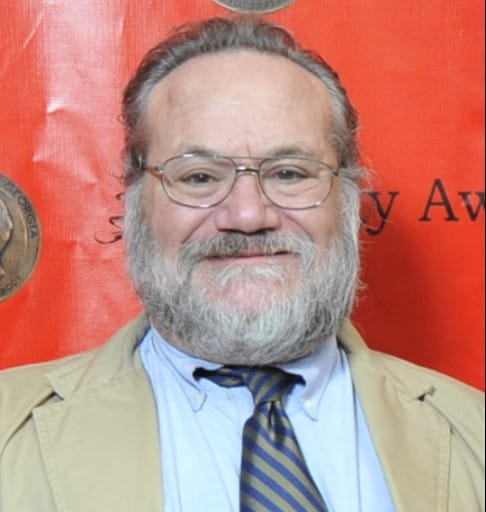
Louis Black grew up in Teaneck, New Jersey. He wasn’t great at school, but he loved comic books, movies, and pop culture. As a teen, he would take trips to New York City to watch films with his friend, Leonard Maltin. Those early days sparked a lifelong passion for movies and music.
In college, Louis ran film screenings and earned his degree in English. In 1976, he moved to Austin, Texas, to study writing. He soon became a star student in the film department. He loved the city’s energy and creative spirit. He helped start The Austin Chronicle in 1981. It was more than a newspaper—it became a voice for the community.
In 1987, Louis co-founded SXSW, a small music event that exploded into a global festival for music, film, and tech. He also helped create the Austin Film Society, which has supported countless filmmakers.
Louis believes in trying things, even if it means failing. He calls himself “a lucky schmuck” who kept going no matter what. His work has connected artists and built creative spaces where people thrive.
He has faced serious health struggles but keeps moving forward. He still writes, produces films, and collects comic books and DVDs. He loves Austin and believes in the power of community.
Louis’s life shows what can happen when you follow your passion, help others, and take risks. He’s not interested in fame or awards. He simply loves what he does—and he keeps doing it.
What is your typical day, and how do you make it productive?
Louis Black’s day starts early, often around 2 a.m. He writes for a few quiet hours while the rest of the world sleeps. This unusual schedule isn’t new—it’s something he returned to after battling serious health issues, including heart failure and losing his toes to neuropathy. He says he’s now back to “walking the deck of the pirate ship” in the early mornings, a metaphor for feeling alive and ready to create again. His productivity comes from staying deeply focused on what excites him—writing, watching films, or brainstorming new projects—and ignoring everything else.
How do you bring ideas to life?
For Louis, ideas start from curiosity and conversations. He rarely says “no” to an idea that sparks excitement. SXSW itself was born from a casual discussion with friends about creating a regional music event. It was never planned as something huge—yet 700 people showed up to the first festival, and it kept growing. He tends to visualize projects fully formed, even if they aren’t realistic yet. He’s also quick to act—believing the best way to make something happen is simply to start doing it.
What’s one trend that excites you?
Louis is fascinated by how fans now shape media success. He saw this clearly when fans changed the narrative around Titanic. Critics expected the film to flop, but early fan reviews turned it into a hit. He believes this shift in power toward audiences continues today, especially through online communities and grassroots buzz.
What is one habit that helps you be productive?
He swears by stubbornness. Louis says he’s tenacious, especially when others doubt him. If people tell him he’s wrong, he keeps pushing harder. He’s also unafraid to fail and considers mistakes part of the creative process. He often learns by “stepping off cliffs” and seeing what happens
What advice would you give your younger self?
He’d tell his younger self to calm down and not chase approval. He jokes that he’s been trying to get rid of his “eighteen-year-old self” for decades. He’d also remind himself that it’s okay to fail—and that success often grows from mistakes.
Tell us something you believe almost nobody agrees with you on?
Louis believes that “stupid” is a creative superpower. He openly credits his biggest wins to moments of being naïve or foolish. He says being “stupid” means being honest with yourself and not pretending to be smarter than you are. Many would disagree, but he sees it as essential.
What is the one thing you repeatedly do and recommend everyone else do?
He recommends collaborating with others. Throughout his career, from The Austin Chronicle to SXSW, community efforts shaped his success. He believes working with others—even when it’s messy—leads to better, more meaningful projects.
When you feel overwhelmed or unfocused, what do you do?
Louis watches movies or listens to music that makes him happy. He mentions once dancing around his house alone while watching a Doris Day film. He also finds clarity in revisiting favorite albums by Townes Van Zandt or Gram Parsons, which have been lifelong sources of comfort.
What is one strategy that has helped you grow your business or advance in your career?
His biggest strategy is being deeply involved in the community. Whether it was fundraising for filmmakers through the Austin Film Society or organizing benefits for local musicians, he built trust by showing up and supporting others.
What is one failure in your career, how did you overcome it, and what lessons did you take away from it?
Louis says The Austin Chronicle’s early years were full of mistakes. Nearly everything went wrong—but only once per mistake. He and his team learned quickly and adapted, proving that mistakes can be the best teachers.
What is one business idea you’re willing to give away to our readers?
He suggests creating a “fan-funded local cinema fund.” Local movie fans could donate small amounts online, then vote on which indie films receive micro-grants. This combines his love of grassroots organizing and film.
What is one piece of software that helps you be productive? How do you use it?
He prefers simple tools and often sticks to word processors like Google Docs for writing and organizing thoughts.
Do you have a favorite book or podcast you’ve gotten a ton of value from and why?
He still treasures the work of Otto Binder, the sci-fi and comic book writer he admired as a kid. Binder’s stories shaped his worldview and taught him about imagination and vision.
What’s a movie or series you recently enjoyed and why?
Louis revisited The Wild Bunch by Sam Peckinpah, his all-time favorite. He says it has saved his life many times. He values its themes of loyalty, survival, and freedom.
Key learnings
- Stubbornness and persistence can drive creative success, even more than talent.
- Collaboration and community involvement are key to long-lasting impact.
- Failure is often necessary for growth; learning quickly from mistakes is crucial.
- Passion for personal interests—like film and music—can fuel long-term focus and resilience.
- Supporting others without expecting anything in return often leads to unexpected rewards.