
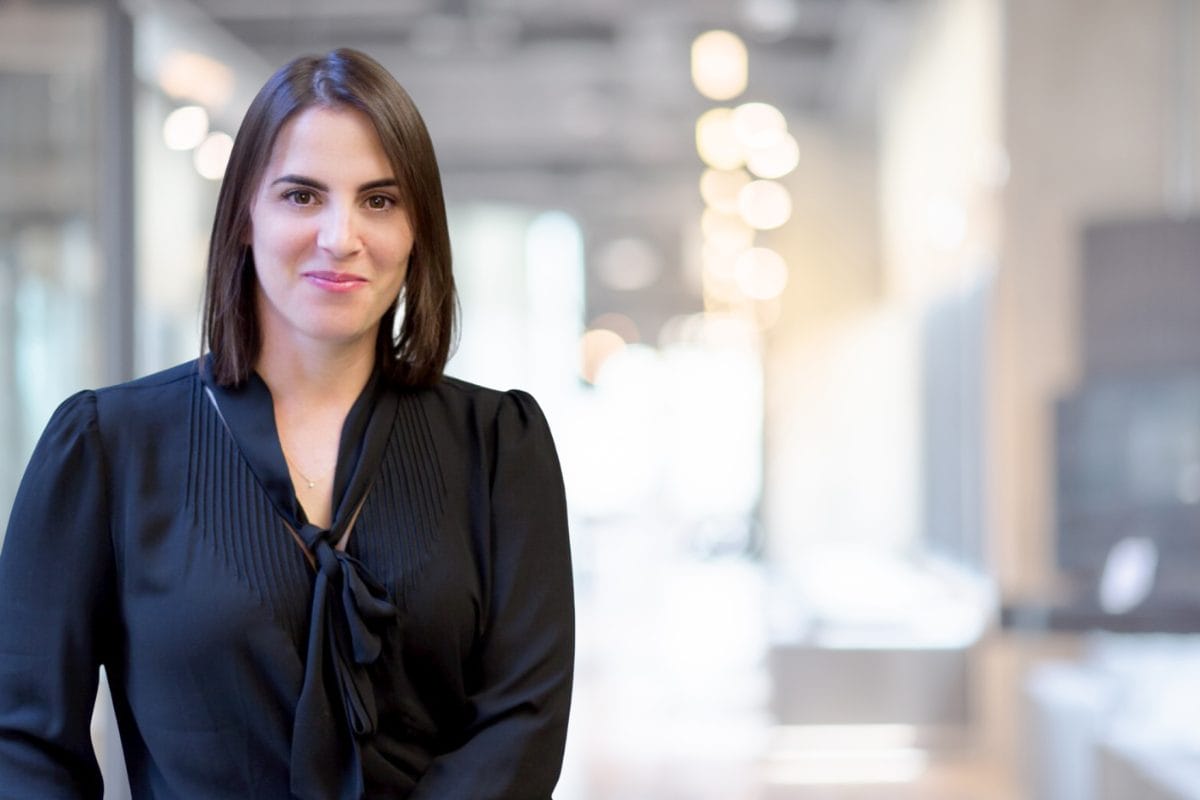
Maayan Aviv joined American Friends of NATAL (AFN) as Executive Director in 2023, bringing with her 15 years of dedicated service and expertise in the non-profit sector. With a background in international relations, Maayan brings a wealth of knowledge in strategic planning, community partnerships, fundraising, stewardship and marketing.
What is your typical day, and how do you make it productive?
I like to go over all emails from Israel in the morning, before office hours locally, so that I can be on time for the international team. Then I make a mental list of what I’d like to achieve that day. I make a daily schedule that includes things that are important and automatic but slip through when you get busy. Things like taking a break to walk the dog and even lunch! A lot of the work I do during the day is educating myself about the programs we have, are rolling out, or are being updated. Over the past year, there has been a tremendous increase in the number of people needing our services and we’ve had to adapt quickly.
How do you bring ideas to life?
For me, with board members, donors, and other groups that we collaborate with it’s essential to hear about new ideas. I believe in the power of people and learning about different opinions and then making them actionable. Then it’s divide and conquer. That’s what a reliable and empowered team is for – to take action and brainstorm ways to get it all done.
What’s one trend that excites you?
Collaborations, especially in the context of what has happened since October 7th. What I mean by that is that these collaborations are taking expertise from more than one organization, putting them together and having a greater result. Our mental health organization has collaborated with art institutions, running clubs, surf enthusiasts, other mental health organizations, business industry groups, and the list goes on.
It’s empowering for the people that we serve to often see their two favorite organizations coming together and creating something even bigger.
What is one habit that helps you be productive?
Time management. Make it a habit to have a schedule and keep it up to date. You have to balance flexibility and having enough focus to “get shit done.” I use the calendar app on my phone and usually do a Sunday review of the week. I use a notebook and notes to add on. This helps me keep a daily assessment of tasks with a weekly overview.
What advice would you give your younger self?
Trust your instinct, because you are usually right. It was surprising that I needed someone else to tell me that. I went through a process that’s like “career therapy.” After going through that process and sharing experiences, it took me a while to realize that my gut was the way to go. I would say it’s great to question yourself, but I’ve learned not to doubt myself.
Tell us something you believe almost nobody agrees with you.
There’s no competition in philanthropy. Essentially, I’m competing with people who are raising money for a similar cause but there is enough to go around for everyone in need. I think people choose where to invest their time and money. Being on the fundraising side should not make you competitive.
Sometimes you have to know when to step in or not. Often when I meet a donor, I have to sense if they are interested. You can’t force people to support you. There has to be an organic connection. It’s surprising that if you give people room to come to you the relationship has positive outcomes.
What is the one thing you repeatedly do and recommend everyone else do?
I question myself and I also allow others to question me. Feedback and validation are great checkpoints for yourself both from me and from board members, team members, and donors. I count on my audience to give me feedback to make our organization better.
When you feel overwhelmed or unfocused, what do you do?
I count on my Peloton to give me great content for physical activity. To take my mind off whatever is not allowing me to focus.
What is one strategy that has helped you grow your business or advance in your career?
Listening. That’s different from communicating. It’s about listening to other ideas and recommendations and being able to connect the dots. This is especially helpful when asking for introductions.
Here’s an example. Last year’s annual event featured a Nova Festival survivor, weeks post October 7th. Everything was raw and unprocessed. But it was our duty as an organization that supports individuals impacted by war and terror in Israel to share these powerful testimonials. While the audience was moved, the young woman giving the testimony had a lot of weight on her shoulders. Listening to the feedback after the gala made me realize that this year the message brought to the audience by our panelists, including a survivor, should highlight the work of NATAL in bringing them back to life or helping them live again.
The point is that last year it was moving, but there was too much to carry for one person. This year we are using a video so that the survivors don’t have to break down in front of an audience. I want us to focus on them as individuals and not just the story that brought them there. We can’t change the story, but we can look at the growth after the trauma. It’s about being in tune with how people reacted at the event. It’s all about the feedback.
What is one failure in your career, how did you overcome it, and what lessons did you take away from it?
As an “American Friends” of organization, I had to realize quickly that in order to be successful I needed to adapt to the Israeli organizational culture. I learned early on that even as an Israeli-American I can’t be the American in the relationship because it’s highly nuanced and the goal is to serve the parent organization.
I had to do things their way instead of an American way. So the failure was coming in as an “American” executive director and not as an Israeli based in America that wants to establish a relationship. I knew that I was going to have to be the one to adapt.
Luckily, I realized this very early on and it’s been successful. When you don’t get what you are asking for you have to think about why. The lesson that I took away from it is, “Being right doesn’t make you the winner.”
What is one business idea you’re willing to give away to our readers?
Invest in the variety of communities and customize programs to their needs to sustain and support friendships. Everyone, including donors, comes from a community. Look at the community first and then the individual.
What is one piece of software that helps you be productive? How do you use it?
We have a CRM that tracks communication with donors and online campaigns. Using a database requires thought of how you put the data in and how you are going to pull it out. It’s a tool that helps you remember details of meetings and people that matter to the donor that you are speaking with and it’s a part of our success.
What is the best $100 you recently spent?
I recently took a high profile person out to lunch and it was a productive lunch!
Do you have a favorite book or podcast from which you’ve received much value?
I listen to a lot of podcasts and voices of assessment from Israel and I find it very important to help me gain perspective to share how our programs impact Israeli society. It’s about educating myself.
What’s a movie or series you recently enjoyed and why?
Nobody Wants This on Netflix. I need relatable comic relief! The past year I’ve mostly watched testimonials and documentaries about October 7th so it’s great to see something funny.
Key learnings:
1) Listen – Be able to listen and know that’s different from communicating.
2) Believe that there’s no competition – There’s no competition in philanthropy because there’s enough to go around
3) Build communities – Know your audience and their community so that you can build collaborations and programs that resonate.
4) Collaborate – Bring together great work to create even greater success stories.
5) Get Shit Done – That says it all!