
Mark Andrew Kozlowski is a marine technology entrepreneur and conservation advocate based in Nova Scotia, Canada. As the founder and CEO of Blue Horizon Technologies, he develops sustainable solutions for offshore industries, combining AI-driven analytics, renewable energy, and responsible fishing practices. Mark has a background in offshore engineering and environmental sciences and has dedicated his career to bridging the gap between technological innovation and marine conservation. He is also a passionate educator, working with young people to inspire the next generation of ocean advocates.
What is your typical day, and how do you make it productive?
No two days are the same, but most start early. I wake up around 5:30 AM and go for a run or a cold-water swim in the Atlantic—it clears my mind and gives me energy. My mornings are focused on strategy and problem-solving. I review project updates, data reports, and industry trends. Afternoons are often filled with meetings, field visits, or testing new technologies. I make my days productive by prioritizing deep work in the mornings and keeping meetings concise.
How do you bring ideas to life?
It starts with identifying a real-world problem. I then look at how technology can solve it without causing new issues. From there, it’s about testing, failing, and refining. I prefer hands-on validation—getting a prototype into the field as fast as possible. The ocean is unpredictable, so nothing works perfectly the first time. But every failed test teaches us something.
What’s one trend that excites you?
The shift toward ocean-based renewable energy excites me. Offshore wind, tidal power, and even floating solar farms have the potential to redefine how we generate electricity. The ocean is a powerful energy source, and if we harness it responsibly, we can reduce our dependence on fossil fuels while protecting marine ecosystems.
What is one habit that helps you be productive?
I write everything down. Whether it’s ideas, problems, or goals, getting them out of my head and onto paper keeps me focused. At the end of the day, I review what worked and what didn’t, which helps me improve continuously.
What advice would you give your younger self?
Stop waiting for the perfect time. There’s no perfect time to start a business, launch a project, or take a risk. I spent too long overanalyzing things early in my career. I wish I had acted sooner and learned through experience rather than hesitation.
Tell us something you believe almost nobody agrees with you on?
Many people think environmental sustainability and economic growth are in conflict. I don’t. I believe they must work together. The future of business depends on a thriving planet. The companies that ignore sustainability will either adapt late or fail entirely.
What is the one thing you repeatedly do and recommend everyone else do?
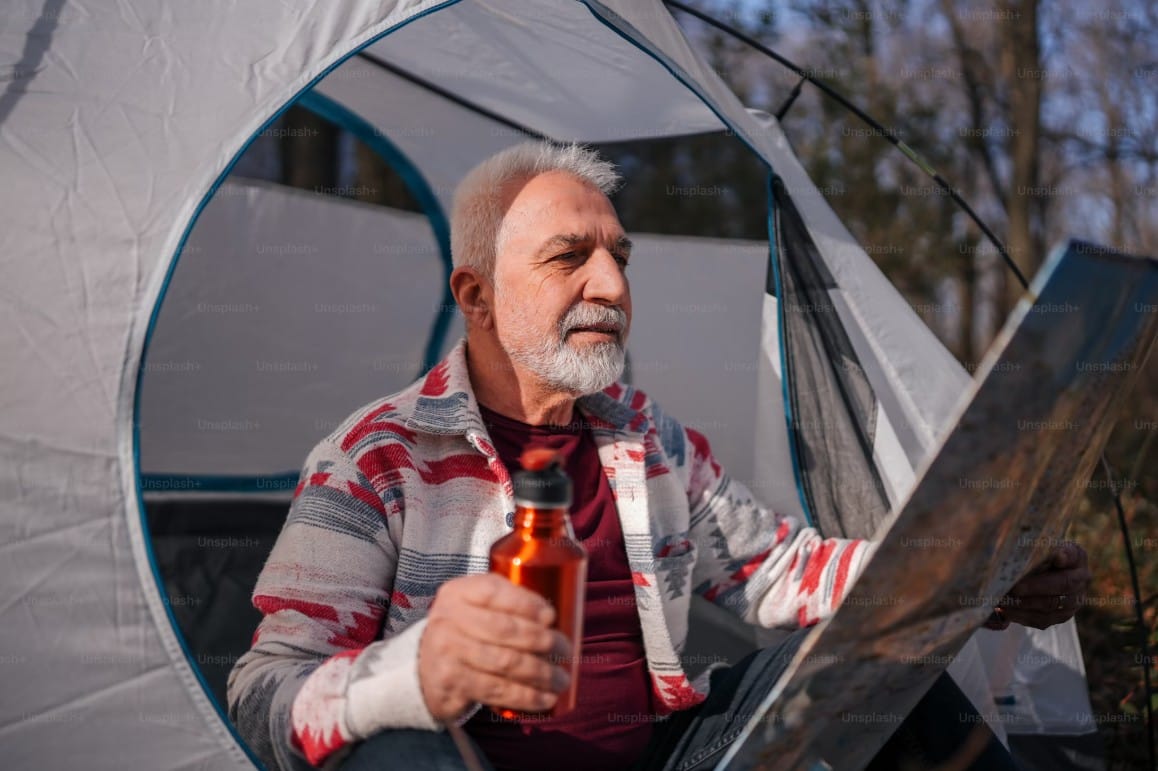
Spend time in nature. Whether it’s the ocean, a forest, or a quiet trail, disconnecting from technology and being outside resets your brain. It’s where I get my best ideas and clarity.
When you feel overwhelmed or unfocused, what do you do?
I get in the water. There’s something about swimming in the ocean, especially in cold water, that resets my mind instantly. If that’s not possible, I step away from work, take a walk, and breathe deeply.
What is one strategy that has helped you grow your business or advance in your career?
Building strong relationships. Technology is important, but people drive success. I’ve grown my business by forming partnerships, listening to industry leaders, and surrounding myself with people who challenge and inspire me.
What is one failure in your career, how did you overcome it, and what lessons did you take away from it?
Early in my career, I developed a technology for tracking fish populations, but I underestimated how resistant the fishing industry would be to change. It took nearly three years to get our first major partner. I learned that no matter how good your idea is, adoption takes time. The lesson? Anticipate resistance, educate your market, and stay persistent.
What is one business idea you’re willing to give away to our readers?
A real-time AI-powered ocean monitoring app that provides live data on water temperature, pollution levels, and marine life activity. It could help researchers, fishermen, and conservationists make informed decisions in real-time.
What is one piece of software that helps you be productive? How do you use it?
Notion. I use it for everything—project management, research notes, and tracking experiments. It’s flexible and keeps everything in one place, which is essential when working on multiple projects.
Do you have a favorite book or podcast you’ve gotten a ton of value from and why?
I always recommend “Let My People Go Surfing” by Yvon Chouinard (founder of Patagonia). It’s about building a business with purpose and proving that companies can succeed without sacrificing environmental responsibility. It shaped a lot of my thinking on business ethics.
What’s a movie or series you recently enjoyed and why?
I rewatched “The Dawn Wall”, a documentary about rock climber Tommy Caldwell. It’s about overcoming impossible obstacles through patience, problem-solving, and resilience. That mindset applies to business, environmental work, and life in general.
Key learnings
- Sustainability and business can work together—companies that ignore environmental responsibility will struggle in the future.
- Persistence is key—even the best ideas face resistance, but success comes from adapting and pushing forward.
- Nature provides clarity—spending time outdoors can reset your mind and lead to your best ideas