
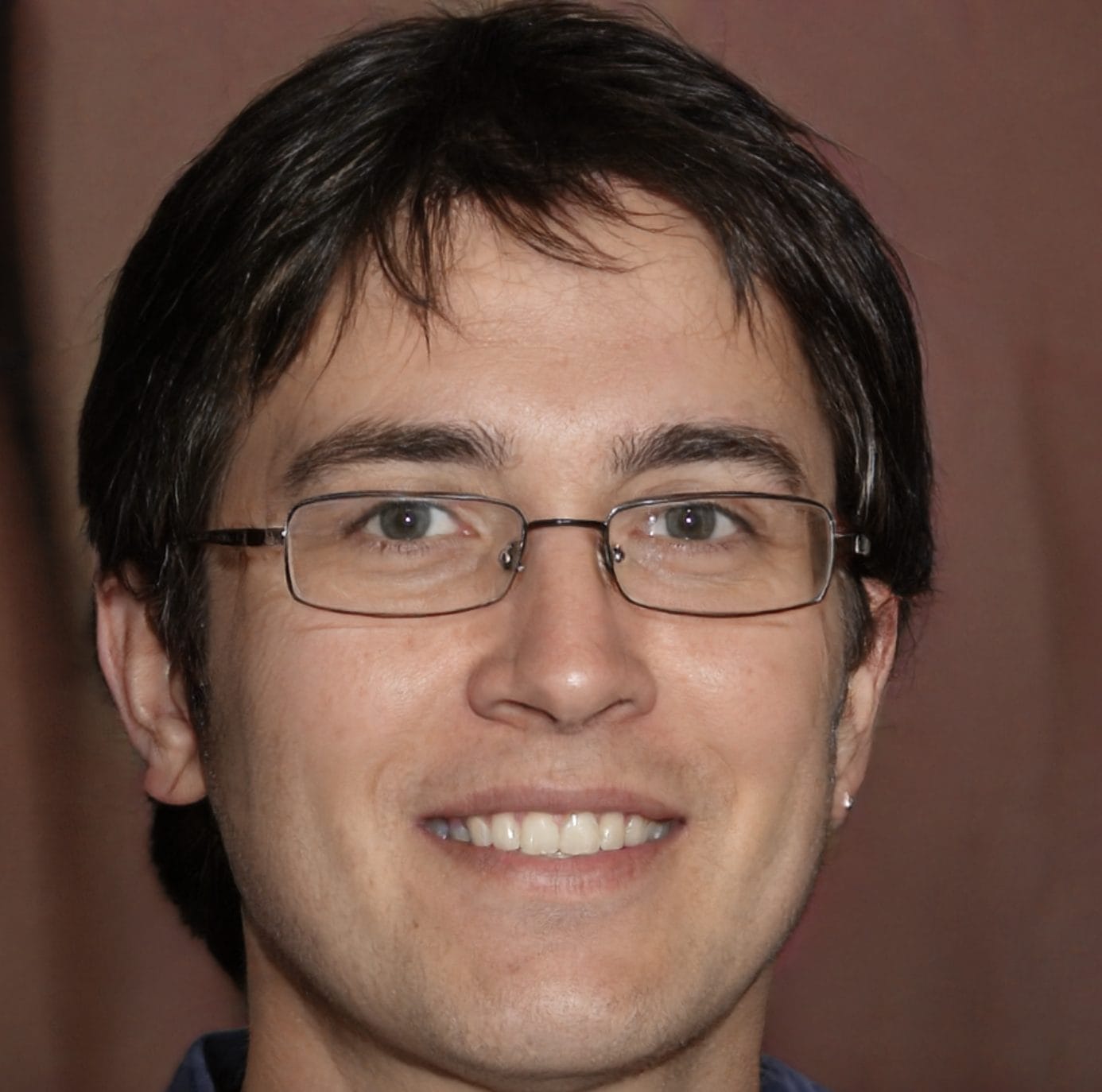
Mark Brown is a seasoned outdoorsman and nature advocate proudly based in northeastern Iowa, serving the communities of Waverly, Waterloo, and Cedar Falls. In his mid-40s, Mark has dedicated much of his life to exploring the natural world, becoming a local expert in tree and plant identification, woodworking, and wilderness skills. Whether he’ s hiking wooded trails, mushroom hunting, fishing Iowa’s rivers, or sharing stories around a campfire, Mark brings knowledge and heart to everything he does.
Deeply connected to the Iowa landscape, Mark is a passionate conservationist, regularly involved in tree planting initiatives, community clean-ups, and outdoor education. He’s well-known in the Cedar Valley region for hosting hands-on workshops that focus on woodworking, foraging, and outdoor living—helping others reconnect with nature and build practical skills along the way.
Beyond Iowa, Mark has traveled extensively to national parks across the U.S., combining his love for the outdoors with a strong interest in American history, geography, and cultural storytelling. He brings those experiences home by leading talks and events that inspire curiosity about the world and a deeper respect for the environment.
An active member of his local church, Mark finds balance through faith, community service, and a lifelong passion for wrestling, both as a sport and an enduring tradition. He often mentors local youth and shares his knowledge of the sport’s historical roots. Grounded in Iowa values and fueled by a spirit of adventure, Mark Brown is a trusted voice in outdoor education, environmental stewardship, and community engagement throughout Waverly, Waterloo, and Cedar Falls.
What is your typical day, and how do you make it productive?
A typical day for me starts early. I wake up before sunrise, make some coffee, and spend a few quiet minutes reading scripture or jotting down thoughts in my journal. Then, depending on the season, I head out for a hike, plant survey, or community project—sometimes all three. I check in with local schools or churches I’m working with and answer emails in the afternoon. Productivity, for me, is rooted in movement and mindfulness. I’ve learned that if I stay grounded in nature and faith early in the day, I make better decisions and carry more energy into everything else I do.
How do you bring ideas to life?
I believe in field-testing ideas. Whether it’s a new workshop format or a native planting plan, I like to experiment in real time. I’ll sketch it out, share it with a few trusted peers or volunteers, then bring it into a small community setting—maybe a church group in Waverly or a youth club in Waterloo. Feedback is key. If people connect with the idea, I refine it and expand. I’m not afraid of messy starts—sometimes the best ideas evolve through trial, error, and unexpected insight from others. I keep notes, reflect on results, and always remain open to iteration.
What’s one trend that excites you?
I’m really excited by the renewed interest in native landscaping and rewilding urban spaces. More people are planting milkweed and prairie grasses instead of pouring concrete or over-mowing lawns. It’s catching on in schools, neighborhoods, and even places of worship here in Iowa. This shift shows people are ready to not just enjoy nature, but to actively support it in daily life. It’s empowering communities to take environmental responsibility into their own hands—and that’s something I’ve been advocating for years. It’s not just a trend—it’s a return to something meaningful and necessary for biodiversity and climate resilience.
What is one habit that helps you be productive?
Spending time outside, without an agenda. That might not sound “productive” in the traditional sense, but it’s where most of my clarity and creativity come from. A lot of my best ideas emerge while I’m walking a trail or tending to a community garden. I’ve also developed the habit of journaling—just a few notes each day about what I saw, heard, or learned. That simple act helps me track progress, reflect, and stay grounded in purpose. When I take time to reconnect with the land each day, I return to my work more focused and motivated.
What advice would you give your younger self?
I’d tell him not to rush. In your twenties, there’s this pressure to have everything figured out. I wish I’d known that the winding path is sometimes the right one. I’d also tell him to trust his instincts when they lead outdoors. When I was younger, I thought being “successful” meant following a more conventional route—but my heart always felt most alive in the woods. I’d say, lean into that. Don’t wait to pursue what you love. And don’t be afraid of doing things differently—there’s value in staying rooted in who you are, even if it takes longer.
Tell us something you believe that almost nobody agrees with you on?
I believe we should teach outdoor survival skills and plant literacy in every school, starting as early as first grade. Some people think it’s outdated or unnecessary in a digital age, but I disagree completely. Knowing how to identify edible plants, read weather patterns, or navigate by natural landmarks builds confidence, awareness, and respect for the environment. It also reconnects kids with the land and their local ecosystems. I think these skills are just as important as math or reading. They’re part of being a well-rounded, resilient person—especially in a world facing environmental challenges.
What is the one thing you repeatedly do and recommend everyone else do?
Spend time in silence outside. Just sit somewhere—a bench, a forest path, a field—and be still. Listen. Observe. You’ll start to notice details you’ve never paid attention to before: the rustle of wind through grasses, the calls of birds, the way light changes. That quiet reflection has changed my life. It sharpens your senses, eases anxiety, and creates space for real clarity. I recommend it to everyone, whether you’re a busy professional or a high school student. It’s free, always available, and deeply healing. If more people did this regularly, I think we’d live in a calmer, more connected world.
When you feel overwhelmed or unfocused, what do you do?
I go for a walk in the woods, even if it’s just 15 minutes. That’s my reset button. Nature has a way of helping me re-center and put things into perspective. If I can’t get outside, I’ll step away from the screen, do some deep breathing, or work on a simple woodworking project. The hands-on rhythm of sanding or carving brings me back to the moment. I’ve learned that forcing productivity never works for me—I need to reconnect first, and then the clarity and energy return naturally. It’s about rhythm, not pressure.
What is one strategy that has helped you grow your business or advance in your career?
Collaboration. I used to try to do everything myself—designing flyers, planning events, leading walks—but it wasn’t sustainable. Once I started partnering with local churches, schools, and nonprofits, things really took off. I’ve learned that when you involve others in the vision, you create a ripple effect. More people show up, more resources flow in, and the message spreads farther. I also prioritize follow-up. After every event, I send a thank-you, a link to additional resources, and an invitation to stay involved. That strategy has helped build lasting relationships and a loyal community around my work.
What is one failure in your career, how did you overcome it, and what lessons did you take away from it?
Early on, I organized a large native tree planting event without enough planning or support. I expected a big turnout but only a handful of people showed up, and we didn’t get through half the work I’d prepared for. I felt embarrassed and discouraged. But I took time afterward to reflect on what went wrong—mainly, I hadn’t involved the community early enough or clearly communicated the vision. I now spend more time listening to people, getting their input, and building momentum gradually. That failure taught me that community work isn’t about quick wins—it’s about relationships and trust.
What is one business idea you’re willing to give away to our readers?
Start a “Backyard Rewilding Starter Kit” program. Partner with local garden centers or environmental organizations and create kits that include native seeds, a planting guide, and educational content about biodiversity and pollinators. Distribute them at schools, churches, or farmers markets. Include QR codes that link to local resources or workshops. People are often willing to help nature—they just need a place to start. Making rewilding tangible and beginner-friendly could go a long way toward improving urban ecology and building grassroots conservation communities.
What is one piece of software that helps you be productive? How do you use it?
Believe it or not, Google Keep. It’s a simple tool, but I use it every day. I’ve got lists for native plants by region, workshop ideas, upcoming event dates, and even quotes that inspire me. It syncs across devices, so if I think of something while I’m out hiking or planting, I just jot it down on my phone. Later, I can organize those notes into presentations, lesson plans, or social media posts. It helps me stay nimble and organized without getting overwhelmed by more complicated project management tools.
Do you have a favorite book or podcast you’ve gotten a ton of value from and why?
I always return to A Sand County Almanac by Aldo Leopold. It’s poetic, wise, and rooted in Midwestern ecology. Leopold’s land ethic is a guiding principle in my work and life. As for podcasts, I enjoy On Being with Krista Tippett—she explores questions of meaning, connection, and the natural world in a reflective way that resonates with me. Both the book and the podcast have helped me articulate the deeper “why” behind what I do. They keep me inspired and remind me that conservation is both science and soul work.
What’s a movie or series you recently enjoyed and why?
I recently rewatched The National Parks: America’s Best Idea by Ken Burns. It’s more than just beautiful footage—it’s a testament to what ordinary people can do when they care deeply about the land. The storytelling is incredible, and it reminds me that this work is part of a longer legacy. I also liked how it highlighted diverse voices—indigenous leaders, immigrants, grassroots activists—who’ve all shaped the landscape in some way. It’s a reminder that nature belongs to all of us, and that preserving it is one of the greatest acts of civic responsibility we can take on.
Key learnings
- Spend time outside, without an agenda.
- Small investments can enrich both my personal connection to nature and the way I teach others to observe it more deeply.
- We should teach outdoor survival skills and plant literacy in every school, starting as early as first grade.