
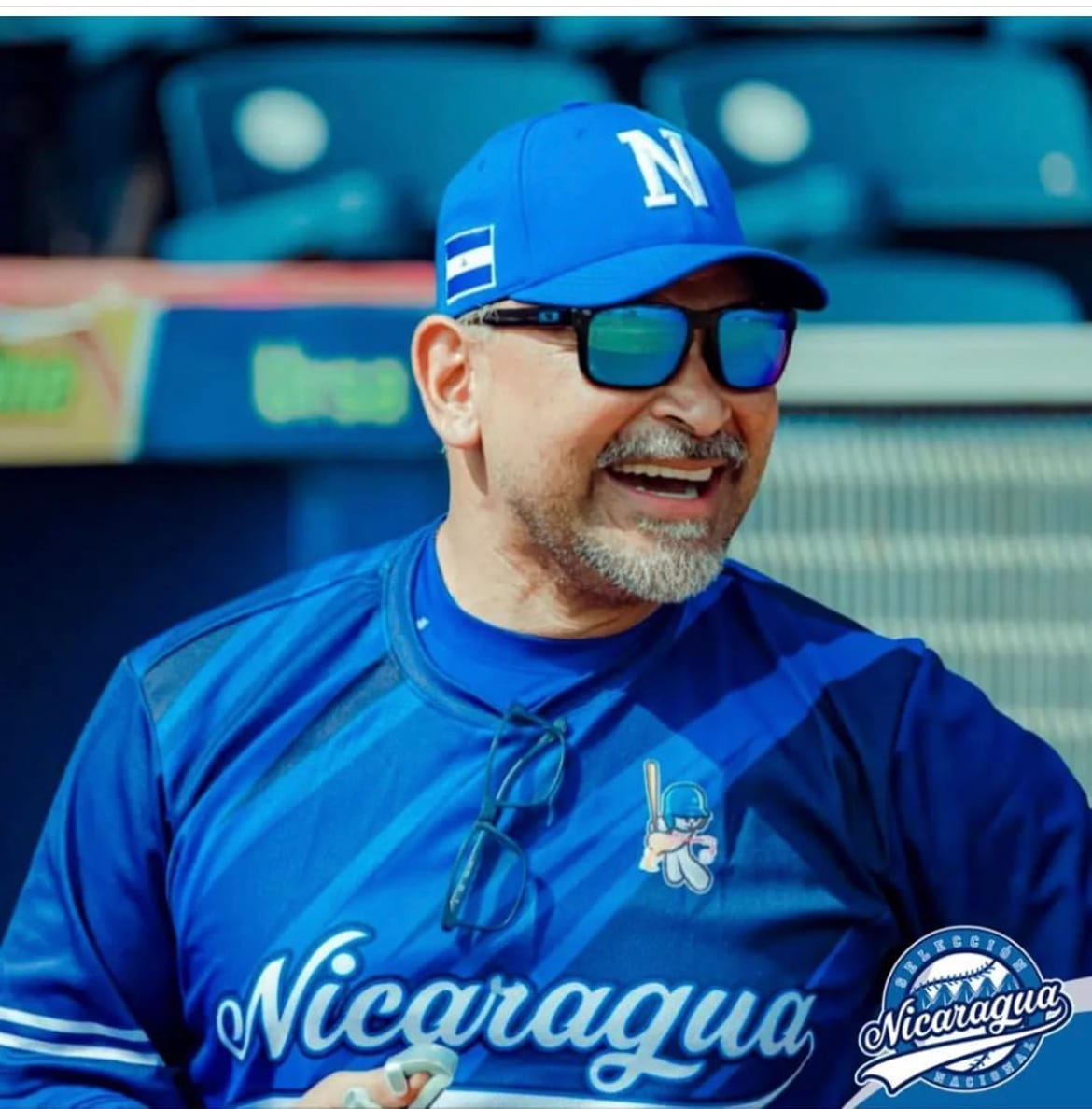
Marvin Benard is a former Major League Baseball outfielder who played primarily for the San Francisco Giants from 1995 to 2003. Renowned for his spirited play and leadership, Benard received several honors along the way including Willie Mac award in 1999, Nicaragua Hall of Fame in 2011, SF Giants Wall of Fame in 2013, Lewis Clark State College Hall of Fame in 2015, and Los Angeles Harbor Hall of Fame in 2019. Throughout his career, he was celebrated for his speed and batting ability, culminating in memorable moments like his RBI single in the 2000 National League Division Series. He’s also credited with hitting the last Giants home run at Candlestick Park before the team moved to a new stadium. After his playing career, Benard transitioned to coaching and broadcasting, including a stint as a hitting coach for the Tri-City Dust Devils and managing the Nicaraguan national baseball team. Currently, he is deeply involved in baseball development in Latin America, helping to educate coaches and mentor young players. Benard’s family fled civil war in Nicaragua when he was twelve years old to start a new life in the United States. That experience has given him a unique perspective when working with players from different countries, especially Latin countries. Benard’s commitment to the sport extends off the field, where he uses his platform and life experience to nurture and develop emerging baseball talent.
What is your typical day, and how do you make it productive?
When I’m not traveling, my day usually starts with getting my daughter fed and off to school. Then I mix in some physical activity, usually some gym time—it’s crucial for staying sharp mentally and physically. Then, it’s often a mix of phone calls, clinic preparations or working with young players. Productivity comes from staying organized and focused on what can make the biggest impact, whether it’s preparing thoroughly for a coaches clinic, giving direct feedback to a player, or simply planning a date night with my wife.
How do you bring ideas to life?
I believe in direct communication and a hands-on approach. Whether it’s a new way of coaching or a different approach to mentoring, I try it out, get feedback, and adjust accordingly. It’s about taking action and not being afraid to make adjustments on the fly. Every player is different and it’s important to understand how they learn and respond to feedback. It’s important to know your audience.
What’s one trend that excites you?
The integration of technology in sports, especially in baseball analytics, excites me. The ability to analyze player performances and make data-driven decisions can really change how we approach training and game strategy. There’s also a new app gaining speed called ScoutUS Pro. It’s a platform that allows sports professionals to find talent all over the world. It’s a game changer for college and professional scouting.
What is one habit that helps you be productive?
Staying disciplined with my schedule. Time management is key in juggling family, travel to baseball clinics, and personal commitments. Blocking out specific times for specific activities helps me stay productive and not overextend myself.
What advice would you give your younger self?
Be patient and soak up as much knowledge as you can from everyone around you. Early in my career, I was eager to make my mark, but sometimes that eagerness can lead to overlooking valuable lessons from others. I have been fortunate to have several mentors along the way who had my back and best interests in mind when I didn’t understand the process.
Tell us something you believe almost nobody agrees with you on?
I believe that the mental aspect of baseball is just as important, if not more important, than the physical aspect. Many focus heavily on physical conditioning, but mental resilience, focus, and tactical thinking often make the critical difference.
What is the one thing you repeatedly do and recommend everyone else do?
Reflect on your performances and experiences. Whether it’s a game, a coaching session, or communicating with my teen, I take time to reflect on what went well and what didn’t. This reflection helps me improve and adapt.
When you feel overwhelmed or unfocused, what do you do?
I step back and go for a walk or clear my head with some physical activity. I also love sitting down with some popcorn and watching old movies with my family. It’s important to take time to reset mentally and connect with those most important to you.
What is one strategy that has helped you grow your business or advance in your career?
Building and maintaining strong relationships has been key. Whether it’s with players, fellow coaches, or even friends and family. Stong relationships have opened doors and created opportunities that wouldn’t have existed otherwise. Especially with people that have already been through the ropes.
What is one failure in your career, how did you overcome it, and what lessons did you take away from it?
My postseason performance in 2000 was disappointing. Overcoming it involved a lot of self-reflection and accepting that failure is part of the game. It’s that mental part at play again. I learned not to dwell on the negative but to learn from it and use it as motivation to improve. It’s an important mindset to adopt.
What is one business idea you’re willing to give away to our readers?
A virtual reality platform that helps players practice and visualize different pitching scenarios. It could be a game-changer for training, especially for those who don’t have constant access to facilities or live pitching.
What is one piece of software that helps you be productive? How do you use it?
I’ve never been much of a tech guy. My friends tease me for just recently upgrading from a pink iPhone 6S. But I’m warming to technology. I’ve learned to use Google Calendar. It keeps my schedule tight—baseball clinics, phone appointments, and family time—it’s all there. Being able to see my entire week at a glance helps me prepare mentally for what’s coming.
Do you have a favorite book or podcast you’ve gotten a ton of value from and why?
“The Inner Game of Tennis” by W. Timothy Gallwey. It’s about tennis, but the principles of mental focus and overcoming self-doubt are universal and very applicable to baseball and life.
What’s a movie or series you recently enjoyed and why?
“Moneyball” is a favorite. It’s a film I revisit often because it highlights the blend of traditional and modern approaches to baseball, which resonates deeply with my love for the game’s history and its future. Brad Pitt does an amazing job portraying Billy Bean, but my favorite character is Peter (Petie) Brand played by Jonah Hill.