
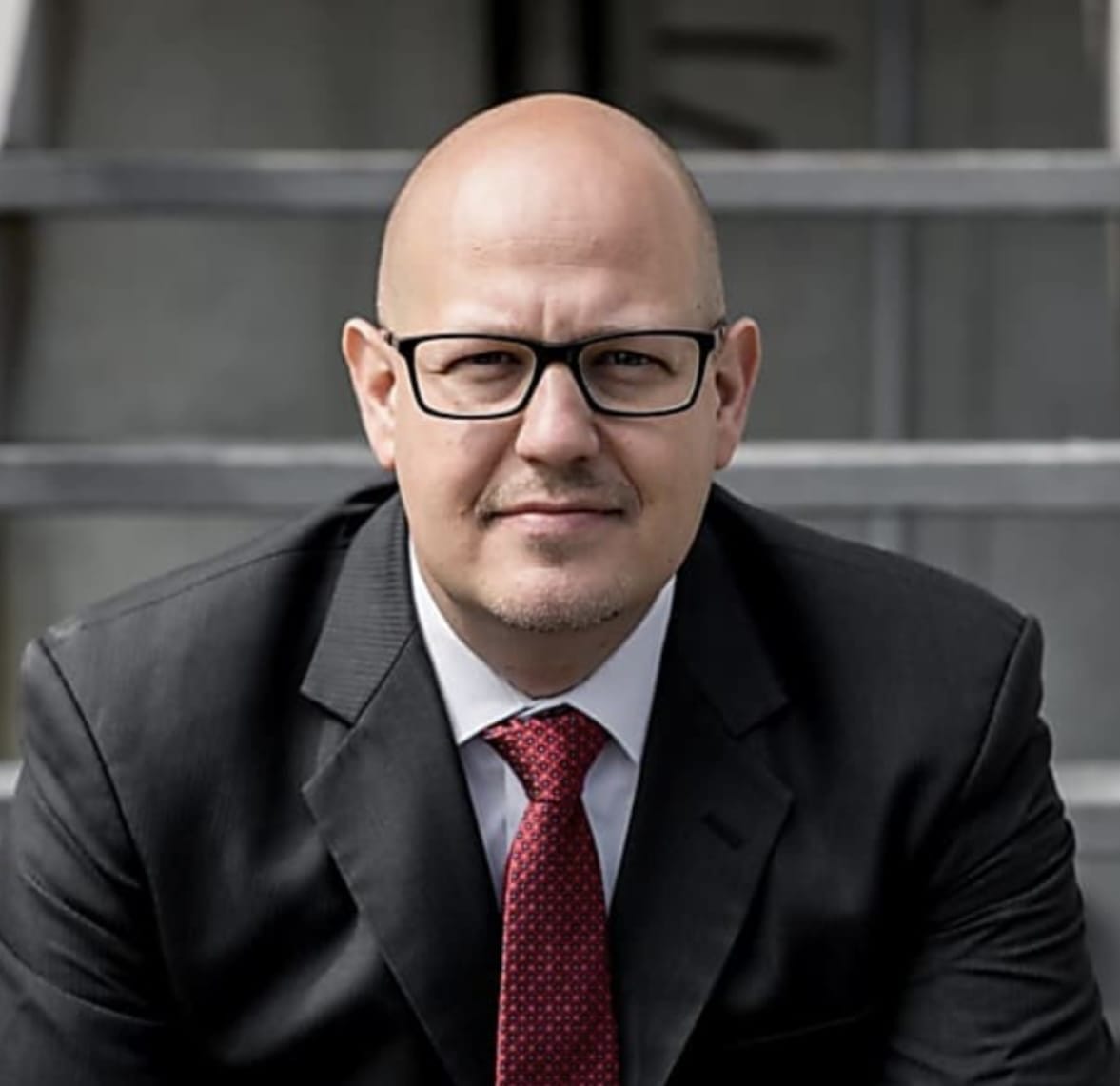
Matthew Brodacki is a seasoned cybersecurity leader and law enforcement professional dedicated to public service. As the Captain of the Regional Technical Investigations Unit (TIU) for Southwestern Connecticut, Matthew oversees a team handling over 500 cyber cases annually. With dual master’s degrees in Public Administration and Digital Forensics, his expertise spans both public and private sectors, where he has consulted for top healthcare organizations and led initiatives that have set national standards in cybersecurity. Beyond his professional achievements, Matthew is deeply involved in community service, including his work with the NAACP and the Sandy Hook Playground Initiative.
What is your typical day, and how do you make it productive?
My typical day is a blend of strategy, execution, and continuous learning. I start early, reviewing the day’s priorities, which often include managing ongoing cyber investigations, mentoring my team, and ensuring our lab’s operations are running smoothly. I make my day productive by focusing on high-impact activities, delegating effectively, and staying adaptable to the unexpected challenges that inevitably arise in law enforcement and cybersecurity.
How do you bring ideas to life?
Bringing ideas to life starts with understanding the problem at hand and then collaborating with the right people to develop a solution. I’m a firm believer in the power of teamwork. Whether it’s designing a new cybersecurity protocol or implementing a community initiative, I involve experts from various fields, gather their input, and then lead the project with clear objectives and a timeline. Execution is key, and I make sure we have the resources and support needed to see the idea through to completion.
What’s one trend that excites you?
Artificial Intelligence in cybersecurity excites me. The potential of AI to transform how we detect and respond to threats is enormous. It allows us to predict and prevent attacks with unprecedented accuracy, and I’m particularly interested in how we can integrate AI with our existing systems to enhance our overall security posture. This is an area I’m actively exploring and implementing in our investigations and training.
What is one habit that helps you be productive?
Consistency is my cornerstone. I maintain a disciplined routine that includes setting clear goals for each day, prioritizing tasks, and ensuring I follow through. This habit helps me stay on track, even when faced with complex challenges or tight deadlines. I also make time for reflection at the end of each day to assess what went well and what could be improved, which keeps me continuously improving.
What advice would you give your younger self?
I would tell my younger self to embrace failure as a learning opportunity. Early in my career, I was afraid of making mistakes, but I’ve learned that failure is often the best teacher. It’s important to take risks, learn from setbacks, and keep moving forward with resilience. Every challenge is an opportunity to grow, and it’s the lessons from these moments that shape your future success.
Tell us something you believe almost nobody agrees with you on?
I believe that cybersecurity should be treated with the same urgency and resources as public safety. While many recognize its importance, the level of priority and investment often doesn’t match the severity of the threats we face. Cyber threats can have devastating consequences, and I advocate for a paradigm shift where cybersecurity is integrated into every aspect of public and private sector operations.
What is the one thing you repeatedly do and recommend everyone else do?
I recommend everyone practice active listening. Whether it’s in a team meeting, a consultation with a client, or a conversation with a community member, truly listening allows you to understand the core issues, build stronger relationships, and make better decisions. It’s a skill that’s often overlooked but incredibly powerful in both personal and professional contexts.
When you feel overwhelmed or unfocused, what do you do?
When I feel overwhelmed, I take a step back and breathe. A few minutes of mindfulness or a short walk can clear my head and help me regain focus. I also revisit my goals and priorities, which helps me realign my efforts with what’s most important. It’s about taking a moment to reset and then approaching the task with renewed energy and clarity.
What is one strategy that has helped you grow your business or advance in your career?
Building and maintaining strong relationships has been key to my success. Networking, mentoring, and collaborating with others have opened doors and created opportunities that I wouldn’t have encountered otherwise. Whether it’s within my team, with other law enforcement agencies, or in the private sector, these relationships are foundational to driving progress and achieving our objectives.
What is one failure in your career, how did you overcome it, and what lessons did you take away from it?
Early in my career, I underestimated the complexity of a major cyber investigation, which led to delays and frustration. I learned the hard way that thorough planning and clear communication are essential to managing complex projects. To overcome it, I gathered my team, reassessed our approach, and made the necessary adjustments to get back on track. The experience taught me the importance of preparation and the value of being adaptable in the face of challenges.
What is one business idea you’re willing to give away to our readers?
There’s a growing need for a cybersecurity platform to integrate more with physical security that specifically targets places where many employees work, offering affordable, scalable solutions that protect against the most common threats. Many businesses are vulnerable because they lack the resources, but they face the same risks. A service that provides them with accessible tools and education could make a significant impact.
What is one piece of software that helps you be productive? How do you use it?
I rely heavily on different methods like a burn down chart, scrum boards, and procedures. It helps me keep track of multiple investigations, team tasks, and deadlines all in one place. By organizing my projects visually, I can quickly see where we stand and what needs attention, ensuring that nothing falls through the cracks. It’s a tool that has made managing complex workflows much more efficient.
Do you have a favorite book or podcast you’ve gotten a ton of value from and why?
One of my favorite books is “Man’s search for meaning” which studies very closely some of the attributes of surviving trauma, and how to use events to better help future generations. While it’s an older trxt, its principles on strategy, and understanding your adversaries are timeless and highly applicable in all aspects of life..
What’s a movie or series you recently enjoyed and why?
I recently enjoyed watching “The Social Dilemma” on Netflix. It’s a thought-provoking documentary that explores the impact of social media on society, particularly in terms of data privacy and cybersecurity. It resonated with me because it highlights the very real and growing threats that we face in the digital world, and it’s a must-watch for anyone interested in these issues.
Key learnings
- Active Listening is Essential: Matthew emphasizes the importance of truly listening in all interactions, whether with colleagues, clients, or community members, as it leads to better decision-making and stronger relationships.
- Continuous Learning Fuels Success: Matthew advocates for ongoing education, both in his personal professional development and in the capabilities of his team, to stay ahead in the rapidly evolving field of cybersecurity.
- Building Strong Relationships is Key: Networking, mentoring, and collaboration are fundamental strategies that have helped Matthew advance in his career and achieve success in his initiatives.