
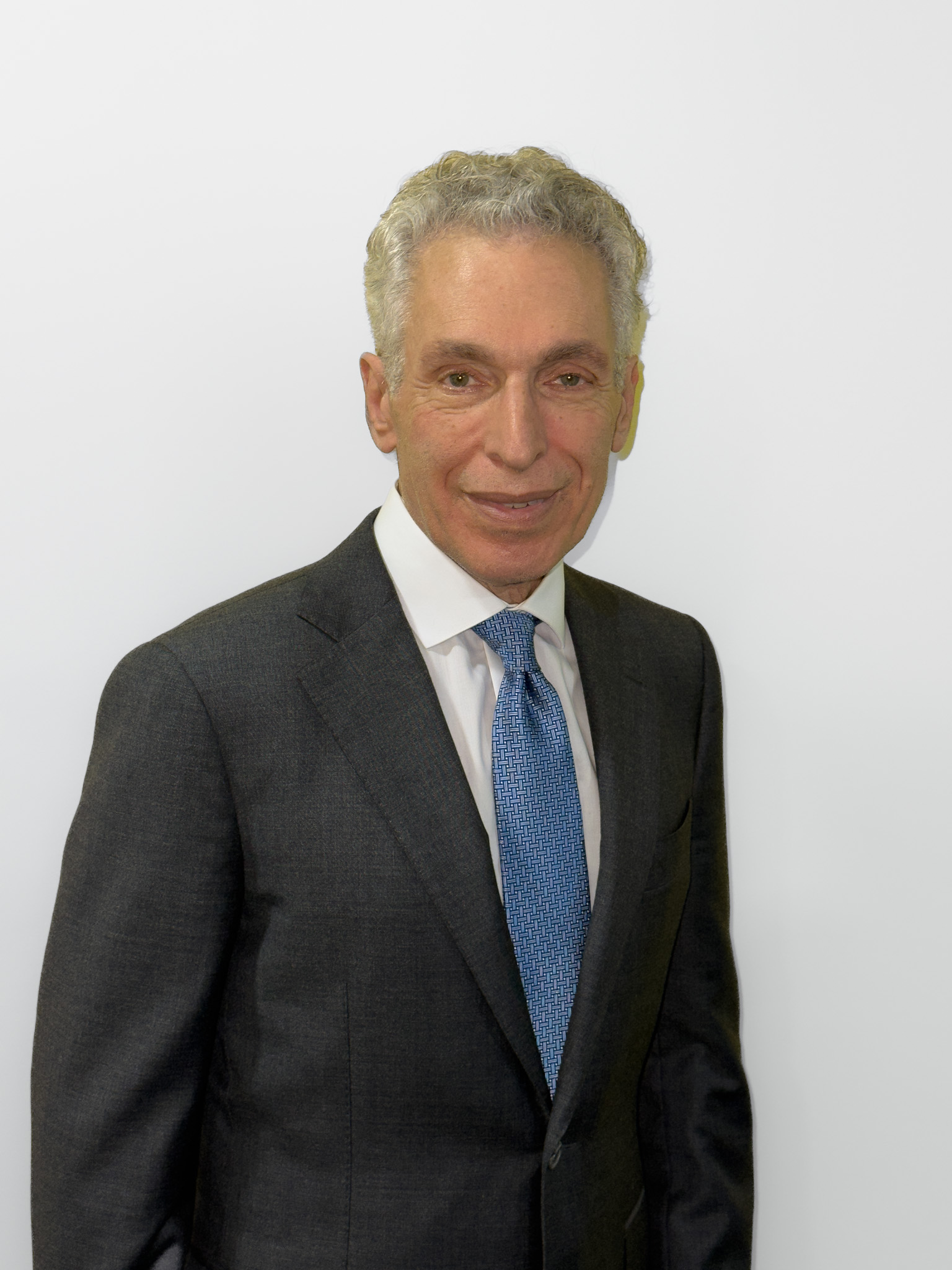
Matthew Teltser, MD, has a background as a cardiologist extending more than three decades, and most recently treated Davie, Florida patients at Associates MD. His areas of medical focus include lipidology, hypertension, and nuclear cardiology. An American College of Cardiology fellow, Dr. Matthew Teltser also has extensive experience treating Pembroke Pines patients as the owner of the University Heart Institute.
Dr. Teltser has served as attending cardiologist with institutions such as Memorial Hospital Miramar, Memorial Hospital West, and Memorial Regional Hospital in Hollywood, Florida. In the early 2000s, he held responsibilities as chief of cardiology and Department of Medicine chairman with Memorial Hospital Pembroke. Dr. Teltser subsequently spent five years as secretary and treasurer with Memorial Hospital Miramar.
Matthew Teltser, MD’s background extends to a past role as an instructor at the The Medical College of Pennsylvania, where he assisted internal medicine house staff trainees in building practical competencies and knowledge. He also completed a fellowship at the University of Florida College of Medicine – Jacksonville. A jazz and classical music enthusiast, he enjoys collecting fine wines and specialty roasting and brewing coffee in his free time.
What is your typical day, and how do you make it productive?
As a cardiologist, my early-morning ritual was a 25-minute session of meditation that both cleared my mind and set up my intentions for the day. I follow by supporting my brain with a healthy plant-based, high-protein breakfast. At the office, I focused on my patients’ needs during their examination. During lunch hour, I stayed at my desk eating my homemade meal and returning phone calls to patients. I continued, after lunch, diagnosing and helping my patients lead a healthier and more confident life.
In the evening, I would exercise at home and enjoy dinner with my wife.
How do you bring ideas to life?
[To bring innovative ideas or treatments to my practice,] I prioritized staying updated with the latest literature by reading extensively and attending conferences. When I identified new protocols, I would either draft them myself or explore ways to integrate them into our existing system. As I incorporated my expertise in lipidology and nuclear cardiology, this could involve coordinating with laboratories for specific tests, such as a myeloperoxidase level or urging the mobile nuclear company to adopt the updated ATTR protocol.
What’s one trend that excites you?
The recognition of inflammation as a critical factor in the development of cardiac diseases excites me. We have moved beyond viewing it as merely a passive biological response. The evolving understanding of the relationship between inflammation and cardiovascular issues is driving new therapeutic approaches that target inflammatory mediators, potentially reducing cardiovascular risk beyond what traditional lipid-lowering treatments can achieve.
What is one habit that helps you be productive?
I’d say the single-most powerful habit for productivity is consistent exercise.
Boosts focus and energy: regular physical activity improves blood flow, oxygen delivery, and overall cardiovascular efficiency, which translates into sharper concentration during long clinic hours or research sessions.
Protects against fatigue: even a brisk 20‑minute walk reduces stress hormones and helps sustain stamina throughout demanding days.
Supports long-term resilience: by keeping the heart and vascular system healthy, exercise ensures I can handle both the mental and physical demands of patient care.
In medicine, productivity isn’t just about getting more done; it’s about sustaining performance without burning out. That’s why I treat exercise like a non‑negotiable prescription for myself.
What advice would you give your younger self?
I would emphasize that the doctor-patient relationship is a team effort focused on the patient’s health. Both parties need to be actively engaged. As the team leader, it’s essential to earn the patient’s trust and maintain clear, open communication, providing frequent updates and addressing any questions. The physician must possess the necessary knowledge and also play the role of coach or motivator to encourage patient success.
Tell us something you believe that almost nobody agrees with you on.
While there are pressures to adhere to schedules [in patient care and medicine], I believe in the art of time management that maximizes your finite time while being flexible enough to still preserve doctor-patient communication. It is crucial to allow the time necessary to understand the barriers and motivations that influence patient behavior, as this insight is vital for effectively assisting them.
What is the one thing you repeatedly do and recommend everyone else do?
Early in my career, when I was on-call for the hospital, my wife overheard me speaking to a nurse in the middle of the night on the phone at home. After I finished my call, she said I should acknowledge their vital role in healthcare. Since then, I have taken that to heart and made it a point to consistently speak to nurses in a collegial and appreciative manner. This approach has not only benefited my relationships but also positively impacted my patients’ care.
When you feel overwhelmed or unfocused, what do you do?
When I feel overwhelmed or unfocused, I rely on a few practical resets that keep me grounded:
• Step away briefly: even in the middle of a packed clinic, I’ll take two minutes to step out, breathe deeply, and reset my mind before diving back into patient care.
• Micro-movement: a short walk down the hall or climbing a flight of stairs helps clear mental fog and re-energizes me.
• Refocus on priorities: I quickly scan my task list and identify the one or two most urgent patient needs. That clarity helps cut through the noise.
• Mindful pause: a few slow breaths or a moment of gratitude—reminding myself why I chose cardiology—restores perspective and steadies my focus.
• Hydration check: it sounds simple, but grabbing a glass of water often resets both body and mind.
These small interventions are like “clinical pit stops”—they don’t take long, but they keep me performing at my best for patients.
What is one strategy that has helped you grow your business or advance in your career?
I have always been a self-learner, making it a habit to research medical conditions as they arose, especially uncommon ones. This led to a personal library of research articles, enabling me to stay current and provide state-of-the-art care. This method also allowed me to assist patients with pertinent medical issues outside of cardiology.
What is one failure in your career, how did you overcome it, and what lessons did you take away from it?
Early on, pharmaceutical companies approached me to give medical talks to other physicians. However, my fear of public speaking held me back from pursuing this opportunity. A friend then invited me to join Toastmasters International, where I spent 12 months honing my public speaking skills. This experience not only opened doors for me in giving medical talks but also improved my interactions with patients.
I developed motivational presentations on topics such as smoking cessation and nutrition, continually refining them for greater effectiveness.
Additionally, during my Toastmasters training, I volunteered in my older daughter Alexis’s 5th grade class to teach public speaking. This experience not only benefited me but also had a lasting positive impact on Alexis and her future career.
What is one piece of software that helps you be productive? How do you use it?
In the early 2000s, voice-to-text technology changed the way medical notes were formed.
I found the dialer portion of the Doximity app useful in calling patients while creating an office caller ID.
Currently, the use of AI has grown tremendously.
What is the best $100 you recently spent? What and why?
I enjoy listening to classical music and jazz on high-fidelity equipment. When a Hi-Fi reviewer recommended a blue tooth portable speaker, I took notice. I was looking for a pair of portable speakers for my patio and backyard. I found a pair that not only sounded great outdoors, but I could also use them to connect to the TV in my family room while I was sitting at my kitchen table 20-plus feet away. These are the Soundcore X500.
Do you have a favorite book or podcast you’ve gotten a ton of value from and why?
I highly recommend Benjamin Franklin’s autobiography for its insights into personal development and ethics. Franklin emphasizes lifelong learning and community involvement, advocating for practical self-improvement and civic responsibility. His famous quote, “an investment in knowledge pays the best interest,” resonates deeply with me.
Franklin understood the power of social connections. He cultivated friendships and alliances that aided him in various endeavors, from business to politics. Franklin valued mentorship, both receiving guidance from others and offering it in return. Franklin faced numerous obstacles throughout his life, yet he showcased resilience and adaptability in the face of challenges. He turned setbacks into opportunities for growth, showcasing a positive mindset. His life is a testament to the potential for growth through curiosity, resilience, and strong moral principles.
He established numerous civic organizations, such as the first public library and fire department in Philadelphia. He believed in the significance of contributing to the common good, asserting “We must all hang together, or assuredly we shall all hang separately.”
I admire Franklin for all his achievements, while emphasizing the importance of ethics and personal virtues. He meticulously outlined 13 virtues he sought to cultivate, such as temperance, order, and humility. He believed that ethical behavior is the key to personal success and societal harmony. He often took responsibility for his actions, learning from both success and failures.
I also follow a podcast called FoundMyFitness with Rhonda Patrick, PhD. Besides discussions revolving around her own expertise, she engages with various medical specialists, sharing valuable insights. A recent episode was “How to Cure Insomnia and Fall Asleep Faster” with Dr. Michael Grandner. The discussion was 2 hours and 45 minutes. This was a detailed discussion delving into chronic insomnia, sleep apnea, and the importance of sleep. Information included the use of peripheral devices, as well as supplements like melatonin and caffeine.
What’s a movie or series you recently enjoyed and why?
I enjoy a good murder mystery, and I’ve recently been watching the 2023 series Father Brown. This series combines mystery with moral reflection, offering life lessons through its characters and narratives. Father Brown exemplifies empathy and understanding, often taking the time to consider the motives behind people’s actions.
The show highlights the complexity of human nature, reminding viewers that everyone has a story and urging us to avoid quick judgments. Themes of forgiveness and community involvement permeate the series, emphasizing the importance of relationships and support in overcoming challenges.
Key learnings
- Start the day with a clear mind and healthy breakfast.
- Focus on patient problem-solving while trusting others to handle operational tasks.
- Stay updated with the latest literature.
- Be the team leader who fosters clear communication and, at times, serves as a life coach.