
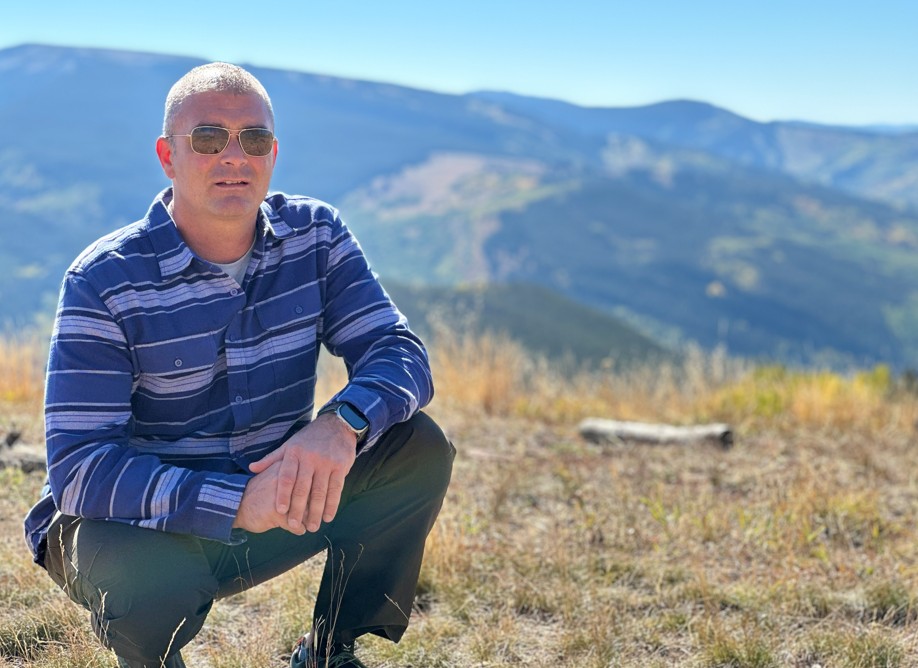
Matthew Walter Riley grew up on a century farm in northwest Iowa, where hard work was part of daily life. When his father’s military service moved the family away during his formative years, Riley learned to be independent early. Sports became an outlet. He competed in football, basketball, and track, and rose to become a state champion in Junior Olympics skating, later placing fifth nationally. The lessons were simple but lasting: show up, stay disciplined, and finish strong. In high school, Riley chose a vocational drafting program at Central Campus. That decision led to an internship with an electrical engineering firm. At the same time, he worked at McDonald’s and sold flooring at Menards. He later joined Sheet Metal International Local 45 and completed a four-year apprenticeship, earning top placements in trade competitions. The hands-on training shaped his confidence and work ethic.
Riley became a journeyman and built his early career in commercial construction before becoming a business owner in 2007. He acquired a floor-covering company and gradually expanded into real estate, construction, aviation ventures, and other diversified interests. Each move was built on skill and patience.
Service has remained central to his life. He served ten years as a volunteer firefighter, rising to the rank of Captain, and trained extensively in public safety diving. A licensed pilot and mission aviator, he combines exploration with purpose.
Today, Riley balances business, service, and family life, staying grounded in the values he learned first: responsibility, preparation, and steady progress.
What is your typical day, and how do you make it productive?
I start early. Farm habits never leave you. I’m usually up before 5:30 a.m. I review open projects across construction, property management, and aviation-related work. I still think like a tradesman. What needs to move forward today? What could break? I block time in segments. Mornings are for problem-solving. Afternoons are for calls and site visits. Evenings are often spent with family or on Civil Air Patrol work. Productivity for me is simple. Identify the one task that prevents three future problems. Do that first.
How do you bring ideas to life?
I pressure-test them. When I bought my floor-covering business in 2007, I mapped out the workflow like I would a sheet-metal system. Where are materials sourced? Where do delays happen? I sketch ideas out by hand first. If I can’t explain it on paper in one page, it’s not ready. Then I start small. Pilot. Adjust. Expand.
What’s one trend that excites you?
The renewed respect for skilled trades. I see more young people exploring apprenticeships again. That excites me. Trades build confidence fast. You create something real. I think that shift is healthy.
What is one habit that helps you be productive?
Checklists. Aviation drilled that into me. As a mission pilot, you don’t skip steps. I apply that to business. Recurring tasks go on written lists. Memory is unreliable. Paper isn’t.
What advice would you give your younger self?
Don’t rush scale. In my twenties, I believed growth meant speed. Now I know growth means durability. Build systems first. Revenue follows structure.
Tell us something you believe almost nobody agrees with you on?
I think most people diversify too early. I expanded into real estate and other ventures only after I had a deep understanding of construction. People often chase opportunity before mastering one lane. Depth creates better options than speed.
What is the one thing you repeatedly do and recommend everyone else do?
Volunteer locally. My ten years with the Corning Volunteer Fire Department shaped me more than any business seminar. When you respond to emergencies at 2 a.m., you learn responsibility quickly.
When you feel overwhelmed or unfocused, what do you do?
I go mechanical. I’ll restore equipment, review aircraft logs, or even reorganize tools. Physical systems calm mental noise. Diving taught me that. Underwater, you focus on one controlled breath at a time.
What is one strategy that has helped you grow your business or advance in your career?
Understand the downside before the upside. In sheet metal, mistakes are visible. That mindset helped me evaluate business risks. When I expanded into property management, I first calculated worst-case vacancy and maintenance scenarios. Planning for stress makes growth stable.
What is one failure in your career, how did you overcome it, and what lessons did you take away from it?
Early on, I underestimated the complexity of management in one real estate expansion. I assumed systems would run themselves. They didn’t. Communication broke down. I stepped back, documented every workflow, and installed reporting checkpoints. The lesson: leadership requires structure, not assumptions.
What is one business idea you’re willing to give away to our readers?
Regional equipment-sharing networks for small contractors. Many small firms own expensive tools that sit idle. A coordinated, insured co-op model could lower costs and improve margins without increasing debt.
What is one piece of software that helps you be productive? How do you use it?
Microsoft OneNote. I use it as a digital operations manual. Every venture has its own notebook. Procedures, contacts, inspection logs, and aviation checklists. It reduces friction.
Do you have a favorite book or podcast you’ve gotten a ton of value from and why?
“Shop Class as Soulcraft” by Matthew B. Crawford resonated with me. It validates working with your hands and thinking deeply at the same time. For podcasts, I listen to “The Civil Air Patrol Podcast.” It keeps me grounded in mission-focused leadership.
What’s a movie or series you recently enjoyed and why?
I rewatched “Apollo 13.” It’s a story about systems thinking under pressure. No panic. Just disciplined problem-solving. That mindset applies everywhere.
Key learnings
- Master one discipline deeply before expanding into new ventures.
- Use checklists and documented systems to reduce risk and increase stability.
- Volunteer service builds leadership skills faster than theory alone.
- Plan for downside scenarios before pursuing growth opportunities.
- Physical, hands-on work can restore focus and improve clarity in decision-making.