
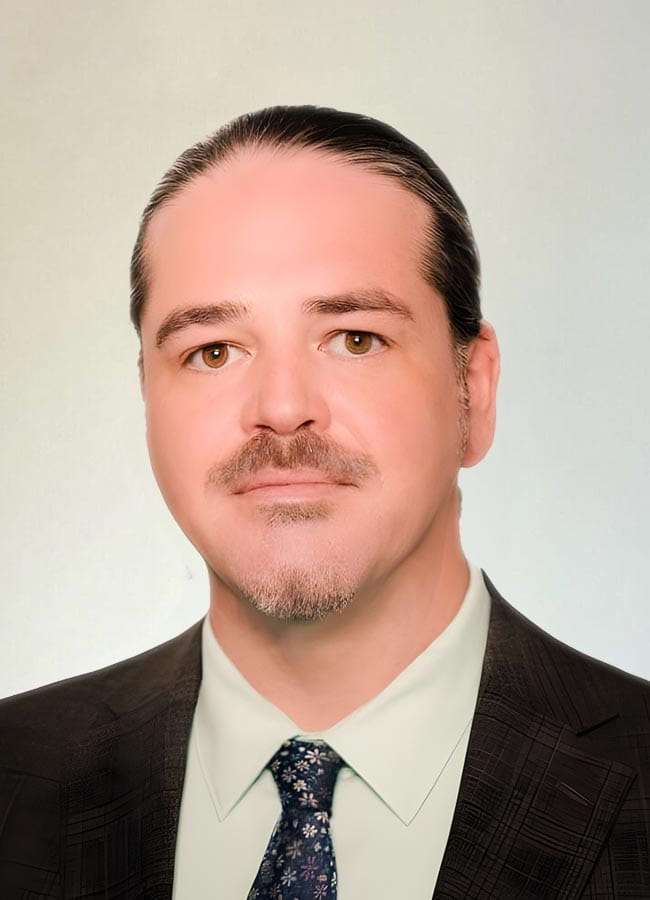
Michael Bradley is a highly respected Louisiana attorney with nearly two decades of legal experience and a reputation for delivering effective, client-focused representation. With offices in Covington and Franklinton, Bradley serves individuals and families across the region with skill and dedication. His practice covers various legal matters, including criminal defense, family law, personal injury, and parole advocacy. Known for his sharp legal mind and relentless pursuit of justice, Bradley began his career as a public defender, where he earned distinction for one of the highest plea-to-dismissal ratios in the state. Since moving into private practice, he has become a formidable advocate in court, earning honours such as St. Tammany West’s Favorite Attorney and recognition among the nation’s elite trial lawyers. His work reflects a deep commitment to justice reform, he co-founded the Criminal Division of the 22nd Judicial District Bar Association, where he currently serves as chair. Bradley is passionate about making the legal system more efficient and equitable. Clients consistently praise him for his integrity, strategic thinking, and personalized attention to every case. Whether navigating complex criminal cases or advocating for injury victims, Michael Bradley remains a trusted name in Louisiana law, providing clear guidance and powerful advocacy at every step.
What is your typical day, and how do you make it productive?
My day starts early, usually before sunrise, reviewing case files and organizing priorities. Court appearances often shape the schedule, but I carve out time for legal research and motion drafting between hearings and client meetings. To stay productive, I rely on a strict task list and digital calendar alerts to manage the day. I also build in time to follow up with clients personally. Productivity isn’t just about speed. It’s about staying focused, preparing thoroughly, and ensuring every action aligns with the client’s best interest. That daily structure keeps the work meaningful and efficient.
How do you bring ideas to life?
Bringing ideas to life starts with clarity, knowing exactly what issue I want to solve and how it affects my clients. From there, I collaborate with peers, review existing case law, and often test theories through motions or policy proposals. I take concepts to the local bar association or courthouse committees for discussion in reform efforts. Ideas are only powerful when they’re actionable, so I map out steps, assign tasks if needed, and monitor results closely. Whether it’s a legal argument or a system improvement, I bring ideas to life by grounding them in purpose and follow-through.
What’s one trend that excites you?
One trend that excites me is the growing movement toward criminal justice reform. Especially efforts focused on rehabilitation and second chances. Louisiana is starting to move in a direction that considers the individual, not just the crime. That includes sentencing alternatives, parole reform, and mental health interventions. I’ve seen how this can drastically reduce recidivism and change the trajectory of someone’s life. As a parole advocate, I hope lawmakers and legal professionals are reevaluating old systems. It’s a chance to make the justice process more humane, effective, and ultimately more just.
What is one habit that helps you be productive?
My most effective habit is preparation the night before. I constantly review the next day’s schedule and outline what needs to be done, whether it’s a court appearance, client consult, or case review. This keeps me from wasting time in the morning or reacting to surprises. I also keep detailed notes after every meeting or phone call, saving hours of guesswork later. These habits, while simple, reduce friction throughout the day and let me spend more time focusing on advocacy rather than logistics. For me, planning equals better focus and better outcomes.
What advice would you give your younger self?
I’d tell my younger self not to chase perfection; chase consistency. Early on, I spent too much time worrying about being the most intelligent person in the room instead of the most prepared. Over time, I learned that preparation, empathy, and work ethic matter more than trying to win every argument. I’d also say: don’t lose your humanity in this work. Legal practice can be intense, but every case is a real person’s life. Stay grounded. Keep perspective. And trust that showing up every day with integrity will take you farther than ego or ambition ever could.
Tell us something you believe that almost nobody agrees with you on?
Plea deals can be a tool for justice, not just a shortcut. Many in the legal field see them as inherently flawed or coercive. But in my experience, especially as a former public defender. Plea agreements can serve as lifelines for individuals who otherwise face harsher, unjust outcomes due to overloaded courts or systemic imbalances. The key is ethical negotiation. When used transparently and with the client’s informed consent, pleas can avoid the trauma of a trial and lead to quicker, fairer resolutions. I know it’s controversial, but I’ve seen lives positively changed through well-crafted agreements.
What is the one thing you repeatedly do and recommend everyone else do?
I journal my case insights daily. After each court appearance or client meeting, I write down what worked, what didn’t, and how I felt about it. It might sound tedious, but it’s helped me become more self-aware, track legal strategies, and refine my communication over the years. It’s also a form of debriefing, especially after high-stress days. For any profession, but especially law, I recommend some kind of reflection practice. It forces you to stay honest with yourself and shows patterns you might otherwise miss. It’s a small, daily discipline with long-term clarity and growth benefits.
When you feel overwhelmed or unfocused, what do you do?
When I feel overwhelmed, I walk away – literally. I step outside my office, walk around the courthouse block or down the street in Covington or Franklinton, and reset. There’s something about fresh air and physical movement that clears mental clutter. I also take a few deep breaths and remind myself of the priorities for the next 60 minutes, not the whole day. Overwhelming usually comes from trying to do everything at once. Narrowing the scope helps me regain control and re-engage with focus. Sometimes, the best move is to pause, breathe, and return stronger.
What is one strategy that has helped you grow your business or advance in your career?
Client referrals have been the backbone of my practice, and the strategy is simple: overdeliver and treat every client like family. When people feel genuinely heard, fiercely defended, and communicated with, they remember and tell others. I don’t advertise heavily. Instead, I invest in relationships and reputation. That’s why I follow up even after cases close, offer guidance beyond the courtroom, and stay accessible. This consistency has built trust across communities in Covington and Franklinton. Word-of-mouth credibility is earned, not bought, and it’s a growth strategy rooted in service, not salesmanship.
What is one failure in your career, how did you overcome it, and what lessons did you take away from it?
Early in my private practice, I lost a personal injury case I believed we should’ve won. I had trusted an outside expert whose testimony ultimately unravelled under cross-examination. It was a painful wake-up call. I realized that no matter how strong the facts seem, every element must be tested and verified through my lens. I now scrutinize all expert input and personally vet every angle. The lesson? Delegate carefully but never entirely detach from quality control. That case taught me accountability and reinforced that clients are counting on my judgment, not just the credentials of others.
What is one business idea you’re willing to give away to our readers?
There’s a real opportunity for a “justice concierge” service. This legal liaison platform helps people connect with the right type of attorney, prepare documents, and understand basic legal processes before entering a courtroom. Think of it as a hybrid between legal coaching and triage. It wouldn’t replace lawyers, but it could empower people with clarity, especially those who can’t yet afford full representation. Add in AI-driven intake and document review, and it could be transformative. The legal system intimidates people unnecessarily. This idea could offer accessibility and peace of mind.
What is one piece of software that helps you be productive? How do you use it?
Clio has become essential to how I run my practice. It’s a legal management platform that keeps case files, billing, calendaring, and communication organized in one place. I use it daily to track deadlines, manage court documents, and log client interactions securely. The interface is clean and integrates with tools like Zoom and DocuSign, which has been a game-changer for remote consultations. Clio also offers analytics on caseload trends and time management. For a practice like mine, where every hour must count, this tool turns complexity into clarity, translating into better service for my clients.
Do you have a favorite book or podcast you’ve gotten a ton of value from and why?
One book that’s stayed with me is Just Mercy by Bryan Stevenson. His story resonates deeply, especially with the compassion and precision he brings to criminal defense work. It reminds me why I chose this path: To stand with people society often overlooks. His approach to justice through empathy, without compromising legal excellence, has informed how I advocate for clients and pursue reform. As for podcasts, The Daily helps me stay current on broader social and legal issues, often providing context for my clients’ challenges. Staying informed and inspired is essential in this line of work.
What’s a movie or series you recently enjoyed and why?
I recently watched Your Honor, and while it’s dramatized, it struck a nerve. The show explores the impossible moral dilemmas that attorneys and judges can face, and it doesn’t shy away from the gray areas of justice. It reminded me of the high stakes in every decision we make as legal professionals and how those decisions ripple into lives far beyond the courtroom. While I don’t agree with every choice made in the series, I appreciated how it portrayed the tension between personal ethics and professional duty. It was compelling, relevant, and deeply human.
Consistent preparation and personal follow-up are core to sustainable client trust.
Key learnings
- Consistent preparation and personal follow-up are core to sustainable client trust.
- Criminal justice reform, especially regarding parole, is a professional passion and a community need.
- Reflective practices like journaling and ethical plea negotiations can enhance clarity and effectiveness.
- Prioritizing relationships over advertising can organically grow a legal practice.
- Staying grounded through analog tools and media like books and podcasts supports long-term focus and empathy.