
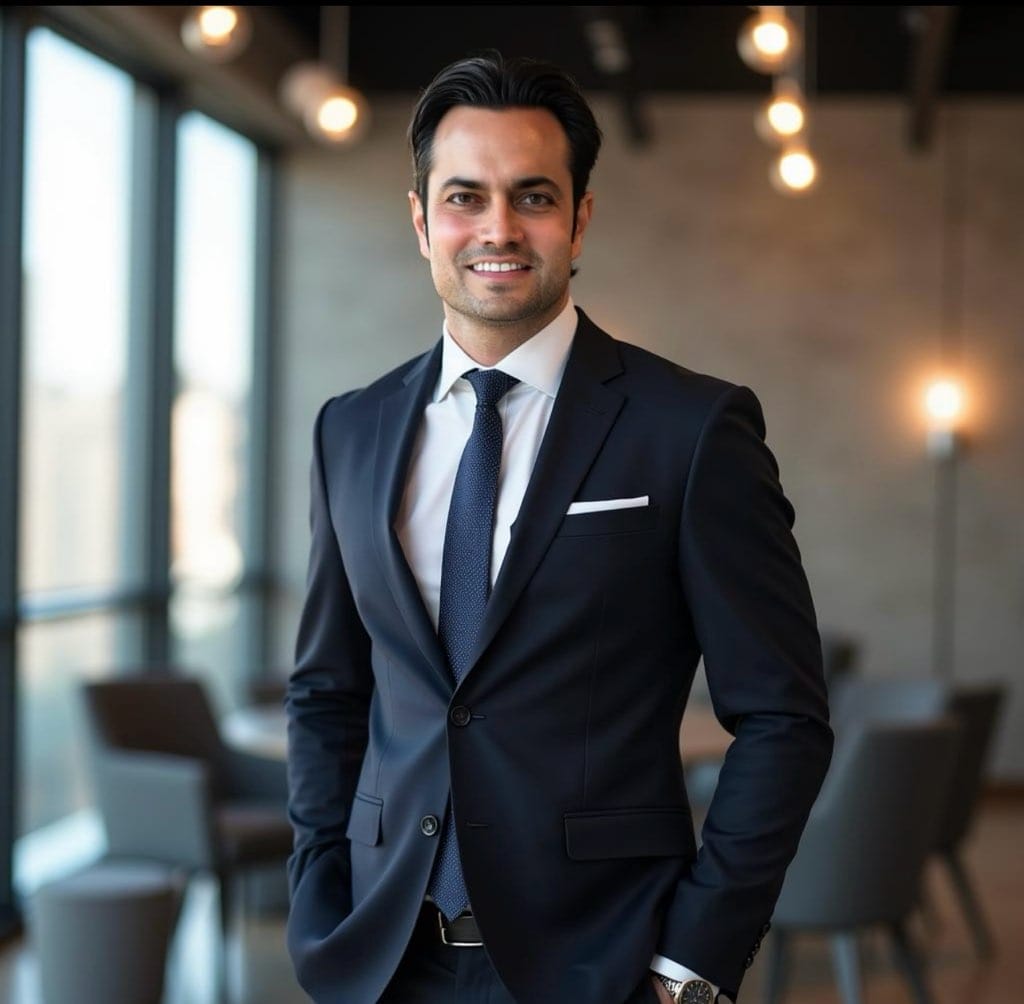
Dr. Michael Rimlawi is a board-certified and fellowship-trained spine surgeon specializing in minimally invasive spine surgery. With a deep-rooted passion for medical innovation, he has dedicated his career to developing advanced surgical techniques as well as cutting edge surgical implants that improve patient outcomes, reduce recovery times, and minimize surgical risks. Dr. Rimlawi was the first surgeon in the United States to perform the Globus Minimally Invasive XLIF procedure, and the Stork Minimally invasive fusion system. He has introduced micro-endoscopic spine surgery, a groundbreaking technique that eliminates the need for large incisions and stitches.
His expertise extends beyond surgery—he is an educator, researcher, and mentor, training surgeons worldwide in the latest techniques. Dr. Rimlawi has been recognized with multiple awards, including the Health Heroes Award, he has been named one of the Top Orthopedic Surgeons in Dallas as well as numerous Patient’s Choice Awards. He Is a thought leader in the medical field, he continues to push the boundaries of spinal surgery while actively supporting future medical professionals through the Dr. Michael Rimlawi Scholarship for Future Doctors.
What is your typical day, and how do you make it productive?
My day typically starts early, around 5:30 AM, with a workout to set the tone for the day. I then review my surgical schedule, check in with my team, and go over patient cases. My mornings are usually dedicated to surgeries, and my afternoons involve patient consultations, research, or training sessions with fellow surgeons. Productivity comes from meticulous planning, prioritizing patient care, and staying focused on innovation.
How do you bring ideas to life?
I believe in a hands-on, research-driven approach. When I come up with an idea, whether for a new surgical technique or a medical device, I collaborate with my peers, analyze data, and refine the concept through trial and feedback. I’ve worked with leading spine technology companies to bring innovative procedures to clinical practice.
What’s one trend that excites you?
The rapid advancements in robot-assisted and AI-driven surgery excite me the most. These technologies have the potential to enhance precision, reduce human error, and improve patient outcomes. The future of surgery is evolving, and I’m thrilled to be part of that change.
What is one habit that helps you be productive?
Consistency. I maintain a structured routine and make time for continuous learning. Medicine is always evolving, and staying updated with the latest advancements ensures I provide the best possible care.
What advice would you give your younger self?
Take calculated risks earlier. I would tell my younger self to trust the process, embrace challenges, and not be afraid to push boundaries in medicine and innovation.
Tell us something you believe almost nobody agrees with you on?
I believe that many traditional surgical approaches will become obsolete in the next decade due to advancements in minimally invasive techniques and robotics. Some colleagues still rely on older methods, but I see a future where surgery is far less invasive and much more efficient.
What is the one thing you repeatedly do and recommend everyone else do?
I constantly seek improvement—whether in surgery, research, or personal development. I recommend that everyone adopt a mindset of lifelong learning and never settle for mediocrity.
When you feel overwhelmed or unfocused, what do you do?
I take a step back, refocus on my purpose, and engage in activities that ground me, like spending time with my family or exercising. Clarity comes when you detach for a moment and realign with your goals.
What is one strategy that has helped you grow your business or advance in your career?
Building a strong professional network. Surrounding myself with innovative and driven individuals has allowed me to stay ahead of medical advancements and open doors to opportunities that I wouldn’t have encountered otherwise.
What is one failure in your career, how did you overcome it, and what lessons did you take away from it?
Early in my career, I attempted to implement a new surgical technique without sufficient preparation and support from my team. While the outcome was still positive, I realized the importance of collaboration and thorough planning before introducing innovations. This taught me to refine my approach and ensure that every new method is backed by strong research and training.
What is one business idea you’re willing to give away to our readers?
A virtual reality (VR) training platform for medical students and surgeons. This would allow students to practice complex procedures in a simulated environment before performing them on real patients, improving confidence and precision.
What is one piece of software that helps you be productive? How do you use it?
I rely on Evernote for organizing my thoughts, research notes, and case studies. It helps me stay organized and ensures I have quick access to essential information.
Do you have a favorite book or podcast you’ve gotten a ton of value from and why?
One of my favorite books is “The Innovator’s Dilemma” by Clayton Christensen. It explores how disruptive innovations shape industries, which is very relevant to medicine and surgery.
What’s a movie or series you recently enjoyed and why?
I recently enjoyed “Limitless” because it highlights the untapped potential of the human brain, which resonates with my belief in continuous learning and pushing personal boundaries.
Key learnings
- Innovation in medicine requires collaboration, research, and a willingness to challenge traditional methods.
- Building a strong professional network can open doors to growth and advancement.
- Lifelong learning and adaptability are essential for staying ahead in any field.
- Staying organized and prioritizing productivity habits leads to success in high-pressure careers.
- Embracing new technologies, such as AI and robotic surgery, will shape the future of medicine.