
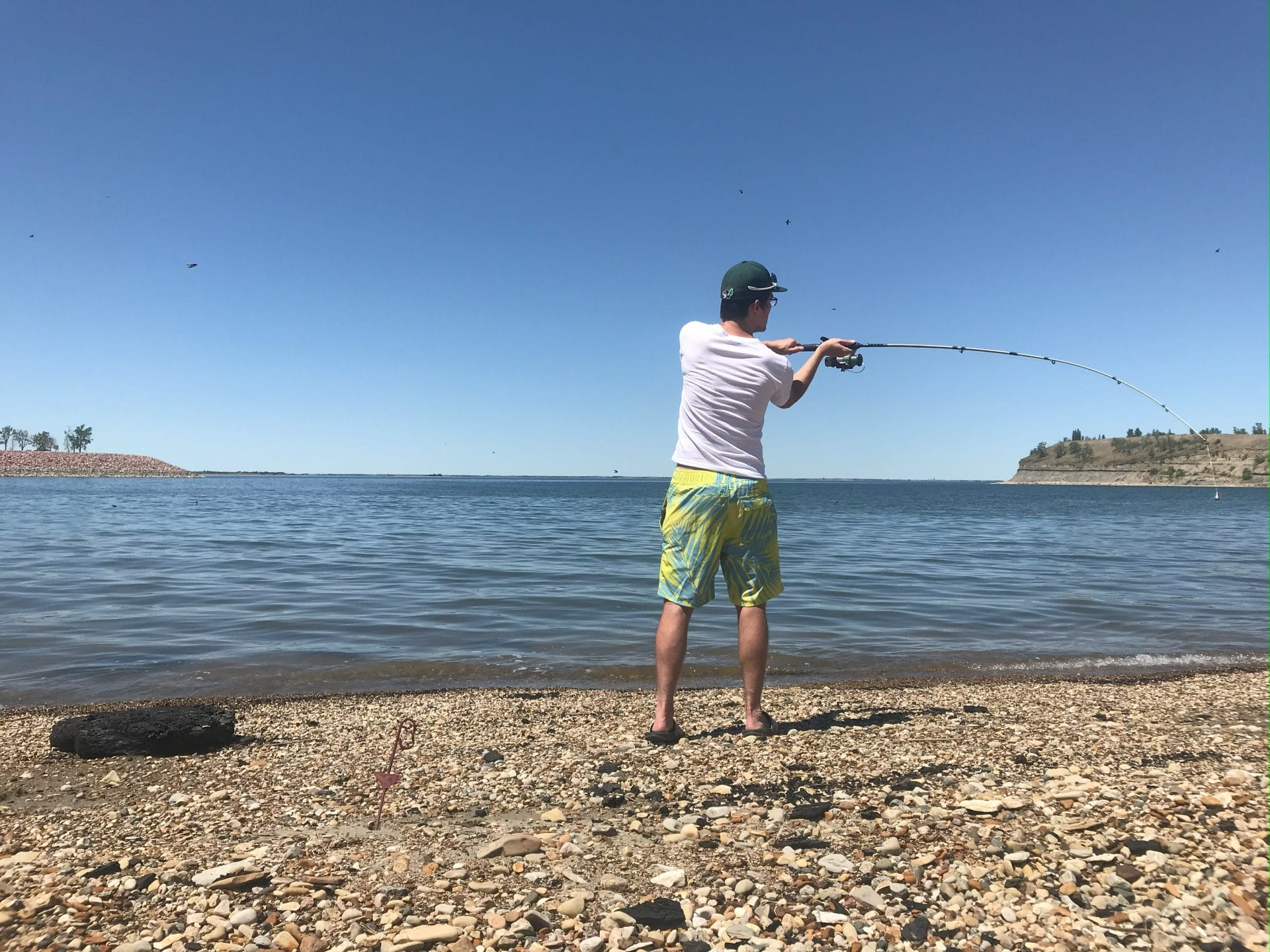
Mitch Seaworth grew up in Bismarck, North Dakota, where family road trips shaped his view of the world. From a young age, he explored national parks, small towns, and scenic highways with his family. Over time, those summer drives turned into a personal mission to see as much of the U.S. as possible. So far, he’s visited 32 states and countless roadside attractions.
He graduated from St. Mary’s Central High School in 2018 and later earned certifications in athletic coaching and Title 1 paraprofessional support from Bismarck State College and the State of North Dakota. But beyond formal education, Mitch is constantly learning—through travel, photography, and volunteering.
Photography became a serious hobby during those road trips. What started as casual snapshots evolved into a thoughtful way of seeing the world. He now photographs landscapes, nature, and small town scenes. For him, the joy is in capturing the details most people overlook.
Mitch also volunteers regularly at local organizations like the Central Dakota Humane Society. He believes service is about showing up quietly and consistently, without expecting attention.
Outside of photography and volunteering, Mitch enjoys fishing, exploring new places, and discovering great food on the road. His life isn’t built on milestones—it’s made up of meaningful moments. Whether standing at the edge of a canyon or behind the camera lens, he’s always looking for what others might miss.
What is your typical day, and how do you make it productive?
My typical day starts with time at the gym. I like to plan my day the night before so I’m not scrambling in the morning. I try to make space for something outdoors, whether it’s a short walk or just stepping out to take a photo. If I’m volunteering that day or have something scheduled, I make sure to block time around it.
How do you bring ideas to life?
I usually start small. When I got into photography, I didn’t buy expensive gear. I just started taking pictures with what I had. Same with travel—I plan one piece at a time. I use lists and notes to keep ideas moving but never force anything. I like letting ideas grow through real experiences.
What’s one trend that excites you?
I really like the trend of micro-travel—people exploring close to home instead of flying far away. It makes people more aware of their surroundings. There are so many places just a few hours away that most folks never stop to see.
What is one habit that helps you be productive?
Writing things down. I always use a notebook, not a phone. It helps me focus and remember what matters.
What advice would you give your younger self?
Don’t try to figure it all out at once. Take your time. Every road trip, photo, and volunteer shift teaches something—if you’re paying attention.
Tell us something you believe almost nobody agrees with you on?
That the best part of a road trip is the gas station stops. Not for the gas, but for the local snacks.
What is the one thing you repeatedly do and recommend everyone else do?
Spend time outside with no phone. Just walk, sit, fish, or look around. It resets your brain in a way nothing else can.
When you feel overwhelmed or unfocused, what do you do?
I go somewhere quiet. It could be my church, or a park, the lake, or just my backyard. Sometimes I grab my camera. Taking photos slows me down and helps me refocus.
What is one strategy that has helped you grow your business or advance in your career?
Saying yes to small opportunities. Whether it’s helping at an event or trying something new, those little yeses have opened up meaningful experiences.
What is one failure in your career, how did you overcome it, and what lessons did you take away from it?
Early on, I tried to plan a photography series and got too ambitious with the locations. I ran out of time and couldn’t finish it. I learned that pacing matters. Now I take on projects in stages and leave room for change.
What is one business idea you’re willing to give away to our readers?
A road trip meal review blog. Not for fancy restaurants or trendy spots—just gas station snacks, small diners, and hole-in-the-wall joints. There’s an audience for it, and it would be fun to build.
What is one piece of software that helps you be productive? How do you use it?
I mostly use Adobe Photoshop. It helps me edit photos in a way that’s fast but still gives me full control. I organize shots by trip or location so I can revisit them easily.
Do you have a favorite book or podcast you’ve gotten a ton of value from and why?
I enjoy books about sports or my faith.
What’s a movie or series you recently enjoyed and why?
Heartland. I enjoy the ranch lifestyle and family feel of the series. The visuals are amazing. It reminds me of the beauty of the mountains and why I love to travel.
Key learnings
- Slow travel encourages deeper awareness of people, places, and details.
- Photography can be a tool for mindfulness and focus—not just creativity.
- Volunteering doesn’t have to be big or public to be meaningful.
- Writing things down on paper can increase clarity and reduce distraction.
- Failure often comes from overreaching; pacing projects leads to better outcomes.