
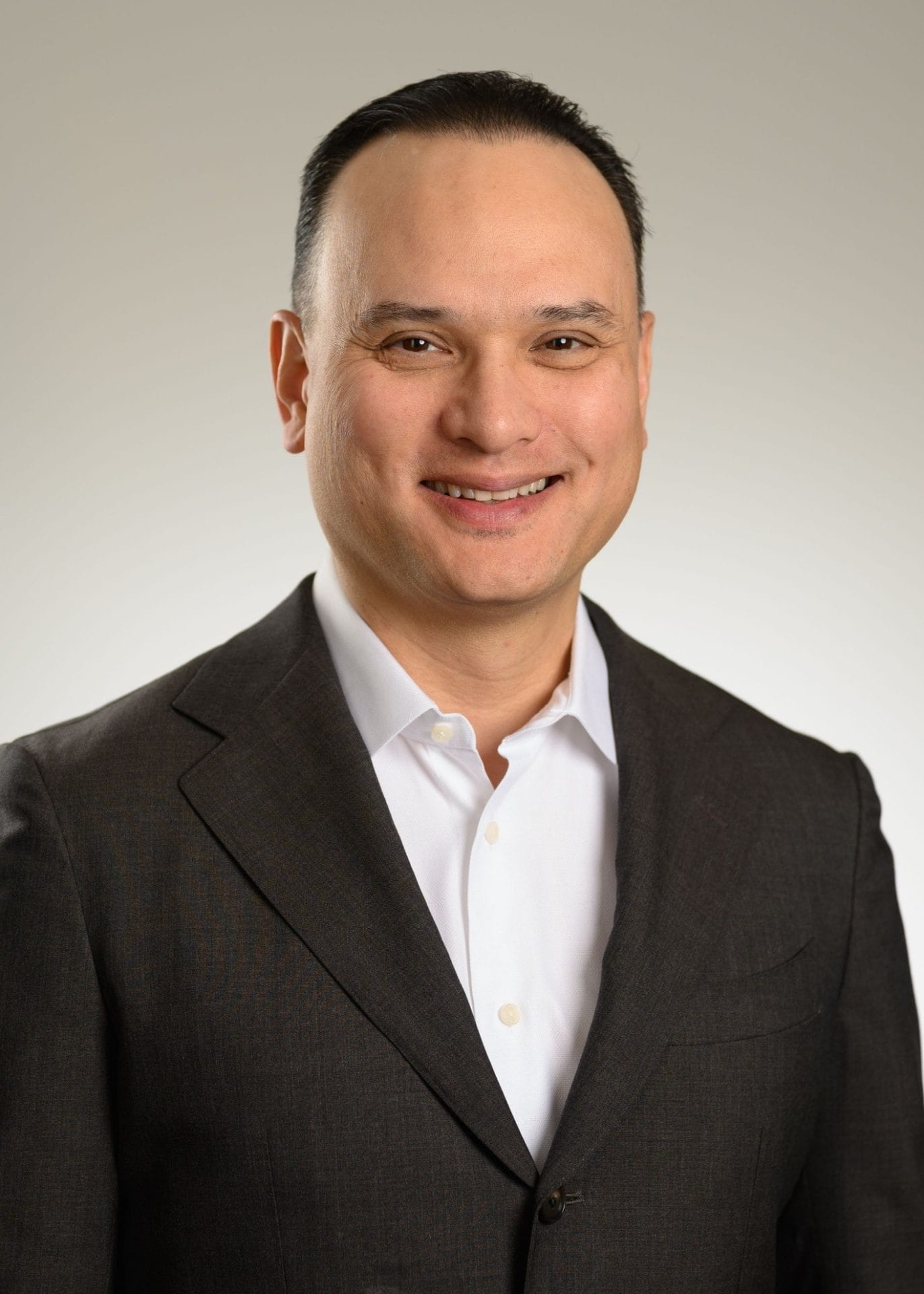
Mitchell Higashi serves as an associate chief science officer with the International Society for Pharmacoeconomics and Outcomes Research (ISPOR). This professional organization, based in Lawrenceville, New Jersey, is dedicated to promoting excellence in decision-making within the field of HEOR, or health economics and outcomes research. As a member of the ISPOR leadership team, Mitchell Higashi directs research, policy formation, and content development for professional conferences, roundtables, and other projects.
Mitchell Higashi’s resumé includes a decade as chief economist in GE Healthcare’s Chicago offices, followed by five years as vice president in charge of HEOR for Bristol-Myers Squibb. After accepting his current position with ISPOR in 2023, he co-chaired the organization’s annual meeting. This work involved extensive strategizing and collaboration, and included his organization and moderation of a panel on artificial intelligence in healthcare featuring experts from the United States Food and Drug Administration, Google Health, IBM, and the Massachusetts Institute of Technology.
A graduate of the HEOR PhD program at the University of Washington in Seattle, and additionally of the Advanced Management Program at The Wharton School, Mitchell Higashi has presented to audiences that include attendees at the 2018 Flatiron Research Summit and members of the U.S. Congress on Capitol Hill.
What is your typical day, and how do you make it productive?
A typical day starts with reviewing my calendar, driving my kid to school, attending the day’s meetings, and then doing concentration work (writing, idea development) in the afternoon and evening. Stepping outside for a couple of minutes throughout the day to get some natural light helps me to reset and refocus.
How do you bring ideas to life?
I tend to start with the big, transformative idea, then break it down into phases of goals that would need to be achieved. I always start with the smallest and lowest cost experiment to gain new information and test my basic assumptions.
What’s one trend that excites you?
I’m very interested in the rapidly evolving field of generative AI.
What is one habit that helps you be productive?
I drink a lot of water throughout the day to maintain my mental stamina.
What advice would you give your younger self?
Work obligations can’t always take priority over family. Some work priorities are not truly “urgent.”
Tell us something you believe almost nobody agrees with you on?
I believe that we are nearing the end of this version of reality on planet Earth.
What is the one thing you repeatedly do and recommend everyone else do?
Ask good questions.
When you feel overwhelmed or unfocused, what do you do?
Walk the dog in the park.
What is one strategy that has helped you grow your business or advance in your career?
I tend to pick opportunities that are new solutions to solve persistent, complex problems.
What is one failure in your career, how did you overcome it, and what lessons did you take away from it?
I stayed in a role too long out of a sense of obligation to the team. I stagnated for a while and I was not challenging myself to identify new career opportunities.
What is one business idea you’re willing to give away to our readers?
There will be a large demand for specialized AI assistants. Any business model that requires customers to navigate through information mazes can potentially be disrupted by an AI assistant.
What is one piece of software that helps you be productive? How do you use it?
Copilot has been a nice feature to add to my workflow. The ability to query AI on anything related to published research allows me to save time with small tasks.
What’s a movie or series you recently enjoyed and why?
The Rig was a Prime series about an oil rig crew from Scotland and their effort to combat a new microorganism that they have unleashed from drilling into the ocean floor. The plot keeps expanding and evolving with every episode.
Key learnings
- Incorporating habits like short breaks outside and journaling can significantly enhance mental and physical well-being.
- Bringing ideas to life requires curiosity, challenging your assumptions, experimentation, and iteration before making a big commitment to stand up a full-scale program.
- Crisis reveals character so observe yourself and others in a crisis. In my experience, crisis never reveals who you aspire to be, crisis reveals who you are.
- Credit is always given, never taken. Give credit to others generously. It will come back to you in some form. Recognizing individual contributions is important, but recognizing the achievements of an entire team is a great way to build culture.