
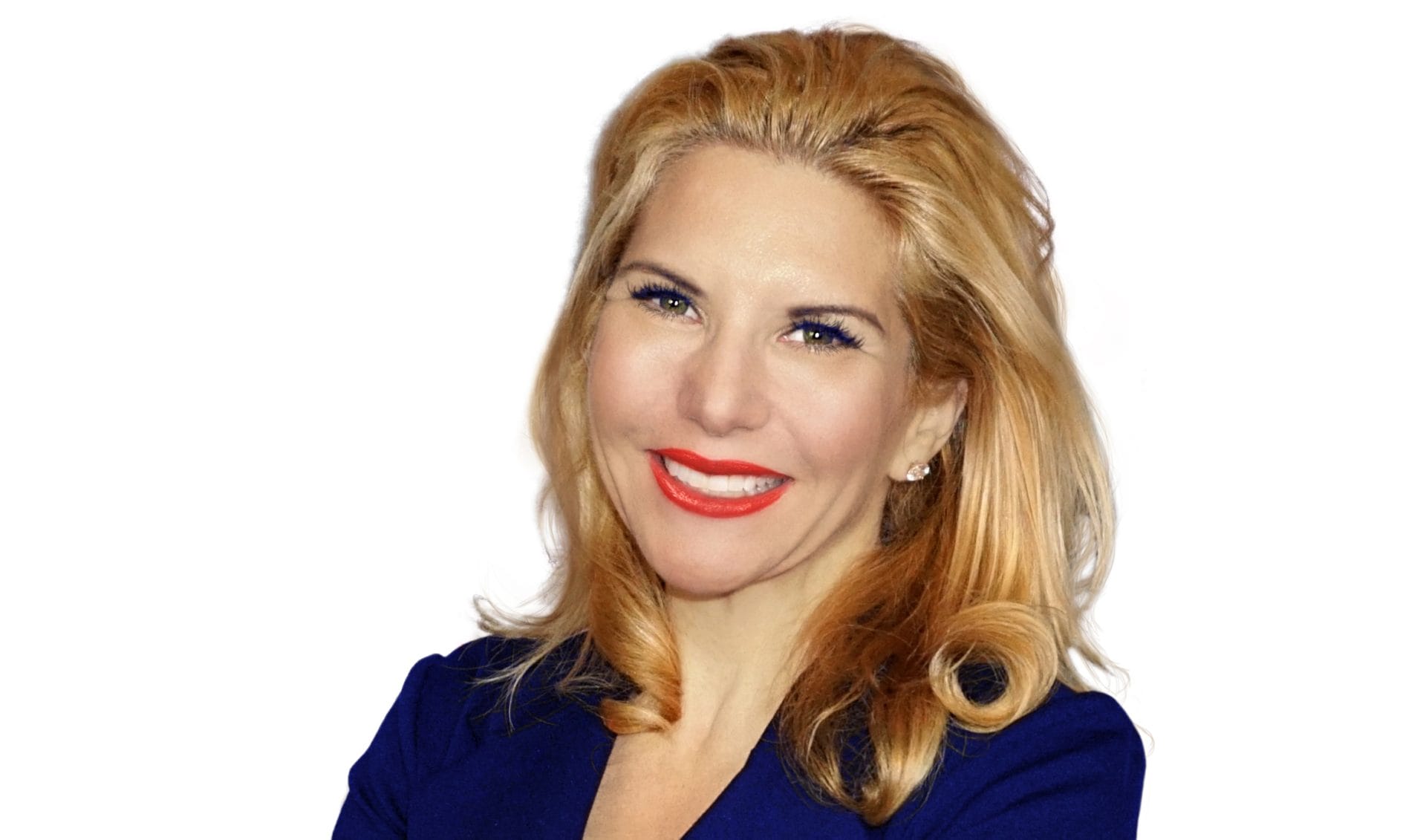
Dr. Natanya Wachtel is a dynamic force of transformation, known for smashing boundaries and uniting worlds that rarely meet. As a trailblazer in behavioral science and integrative wellness, she defies convention, fostering difficult yet essential conversations about who we are, who we can become, and how to redefine living our best lives.
From C-suite leaders and celebrities to everyday individuals, Dr. Wachtel’s work inspires people to rewrite their life stories with courage and radical self-love. Her personal journey—overcoming clinical death and extraordinary health challenges to emerge as a vibrant advocate and innovator—anchors her authenticity and fuels her passion.
As the founder of the New Solutions Network and co-founder of http://evrmore.io, Dr. Wachtel has launched household brands, advised groundbreaking startups, and bridged healthcare disparities across industries. Her collaborations include the Chopra Foundation, Women Who Create, and national initiatives with police organizations and fitness chains like Yoga Six. Through her shows like The Natanya Experience, Psych+Hip Hop, and Game Mindset, she champions mental wellness in high-pressure spaces like law enforcement, sports, and entertainment.
With a knack for shaking things up and making the impossible achievable, Dr. Wachtel is on a mission to empower individuals and communities to thrive—proving that change is not just possible but inevitable when approached with boldness, empathy, and innovation.
What is your typical day, and how do you make it productive?
It’s almost comical to even consider the concept of a “typical day” for me—my life is anything but predictable. With five children (two in university and two much younger), a spouse, aging relatives across the globe, and an ever-evolving career, my days are more like a carefully choreographed juggling act. The key is striking a balance between the personal and professional without losing sight of what truly matters, though I’d hardly call it perfect. Let’s just say I’ve learned to embrace the chaos.
My secret weapon? Time boxing. Every moment of my day is accounted for, often down to 15-minute increments. But that doesn’t mean it’s all work—my calendar includes intentional breaks, time for family, and room for recreation. Planning my year out in advance—sometimes as far as five years—gives me the structure I need to manage a life that’s as dynamic as it is full.
Currently, I’m in an eclectic phase of my career, transitioning from a corporate-heavy world to building a media platform centered around health, wellness, and transformation. My consulting company, New Solutions Network, still works closely with wellness and pharmaceutical brands, helping them leverage behavioral science to create meaningful customer experiences. But my days now also include hours of movement—yoga, Pilates, dance, rollerskating, and long walks. Even when I don’t feel like it, these practices keep me grounded, sane, and, quite honestly, inspired.
On any given day, you might find me filming for one of my shows, mentoring on nonprofit initiatives, or hosting video calls with collaborators across the globe. I’m deeply involved in community work, whether it’s with the Chopra Foundation, as Board Chair of Women Who Create (a mentor and scholarship program for women of color), or in local volunteer efforts.
At its core, my life revolves around building something larger than myself—an empire of sorts, but one focused on elevating others. Think of it as the experiential equivalent of Martha Stewart Living, but grounded in radical self-love, empowerment, and mental wellness. It’s for everyone—those struggling with depression, addiction, or simply looking for purpose—helping people get out of bed each day with the courage to rewrite their own stories.
So while my days are busy, they’re also vibrant, purposeful, and deeply fulfilling. And while I wouldn’t trade the variety for a “typical” routine, I’ll admit: it’s not for the faint of heart!
How do you bring ideas to life?
Bringing ideas to life is practically a reflex for me—I’m constantly generating, refining, and nurturing concepts. Some of my best ideas emerge during the quiet rhythm of my early-morning workouts, when my mind has the freedom to wander and connect dots in unexpected ways. That’s when inspiration strikes, and I rely on tools like Slack, http://Monday.com, and various AI platforms to capture those sparks in real time. These tools help me organize, sort, and share ideas with my teams, ensuring nothing slips through the cracks.
Once an idea takes form, it enters what I like to call the “incubator stage.” Within my teams, we have structured processes to explore ideas—breaking them down to assess their potential impact, audience relevance, and alignment with our core principles. Is this a must-have innovation? A creative flourish? Or a moonshot for the future? Categorizing ideas like this helps us focus our energy where it counts most while keeping space for bold experimentation.
Collaboration is the secret sauce. I work with incredible project managers, creative thinkers, and specialists who help crystallize these ideas into actionable plans. They challenge me to refine my vision and bring in their unique expertise to amplify each project. Together, we ensure that the most promising ideas aren’t just realized—they’re elevated.
If I’m being honest, the challenge isn’t generating ideas—it’s having the bandwidth to execute them all. That’s where experience and time management come in. Years of trial and error have taught me to time box effectively, prioritize ruthlessly, and lean on my team to maintain momentum. I also keep a “parking lot” for ideas we aren’t ready to act on but might revisit later, ensuring nothing truly valuable gets lost.
Ultimately, bringing ideas to life is about balance—balancing creativity with structure, vision with strategy, and the freedom to dream with the discipline to deliver. It’s this dynamic process that keeps my work exciting and, more importantly, impactful.
What’s one trend that excites you?
One trend that truly excites me—both personally and professionally—is the shift from transactional selling to a more thoughtful, circular economy model. We’re moving away from the days of shouting about features, benefits, and price points, and instead seeing brands that connect deeply with the people who make, use, and benefit from their products. This trend fosters a deeper sense of accountability and purpose, encouraging consumers to ask questions like: Where did this come from? What does this product stand for? How does this company give back?
This isn’t just a business trend to me—it’s a philosophy. It’s one of the reasons I’ve transformed my organization, New Solutions Network, into a collective of companies that are committed to betterment. We’ve moved away from working strictly with traditional pharmaceutical and life sciences industries to partnering exclusively with brands that have a demonstrated commitment to making a positive impact. Whether it’s addressing healthcare disparities, promoting mental wellness, or supporting sustainability efforts, we work with organizations that prioritize giving back to the communities they touch.
This shift excites me because it brings us back to the root of commerce—thoughtfulness. It reminds us that every dollar we spend is a vote for the kind of world we want to live in. By aligning purchasing power with values, brands and consumers alike can build more resilient, connected communities.
I see this trend as an invitation for all of us—not just businesses, but individuals—to reflect on what we stand for and how we can contribute to a better, more equitable world. It’s a powerful movement, and I’m thrilled to be a part of it. For me, it’s more than exciting; it’s transformative.
What is one habit that helps you be productive?
If I had to choose one habit that helps me stay productive, it’s a toss-up. On one hand, I’m a huge advocate for using tools like Slack, AI platforms, and organizational software to streamline communication, manage files, and bring clarity to the chaos of my work. Getting everyone I collaborate with onboard has been a game-changer—it’s like building a digital nervous system that keeps everything moving efficiently.
But honestly, the habit that’s made the most profound difference for me is one that feels almost counterintuitive: honoring rest. As a recovering workaholic—and I say that both jokingly and seriously—this hasn’t come naturally. I grew up with the belief that taking a break, asking for help, or simply pausing to breathe was a sign of weakness or failure. Maybe it’s immigrant culture, or maybe it’s just the pressure we put on ourselves to always be “doing.” But over time, I’ve realized how unsustainable that mindset is.
Now, I see rest as an art—the deliberate act of doing “nothing” to recharge and realign. It’s been a struggle to embrace, but I’ve learned that stepping back is often the most productive thing I can do. Whether it’s taking a short walk, practicing yoga, or simply sitting in stillness for a few minutes, these moments of pause keep me grounded and help me show up as my best self.
What’s ironic is that it took me nearly half a century to truly understand this. Rest isn’t just a break from productivity—it’s a critical part of it. It’s where creativity, clarity, and resilience are born. So, while I rely on my tools and systems to keep the wheels turning, I now honor the moments when stepping off the treadmill is exactly what I need to move forward.
What advice would you give your younger self?
Oh my goodness, if I could sit down with my younger self, there’s so much I’d want to say. And honestly, I’m still a work in progress. At 49, I find myself in a season of reflection, looking back at incredible growth and transformative transitions, particularly over the last decade—and most profoundly in the past few years.
I’ve faced challenges I never imagined: clinical death, paralysis, oncology, years of medical recovery that left me bedridden, isolated, overweight, and cut off from the world. And just as I was clawing my way back, the pandemic arrived, forcing another wave of introspection. But here’s the thing: those dark times became the foundation for the light that followed. They helped me re-prioritize what really matters.
When I was younger, I thought success meant financial security, the corner office, the accolades, the awards. I chased titles and external validation, believing they defined my worth. Now? None of that matters. Purpose is what matters. Finding it as soon as you can, holding onto it, and letting it guide you. That’s what I’d tell my younger self.
I’d also tell her to fail. Fail gloriously, repeatedly, and without shame. Not succeeding on the first try—or even the tenth—isn’t the end of the story. It’s the beginning of something better. Anything that doesn’t work out is a lesson, a nudge in the right direction, even when it doesn’t feel like it in the moment. You have to trust the process. We’re all main characters in our own movie, and every great story has struggle before triumph.
One of the best lessons I’ve learned is a phrase my husband once shared with me: “Embrace the suck.” It’s a military saying, and it’s so fitting for life. I used to think the answer was to just tough it out, to grit my teeth and push through. But inside, I’d be angry, bitter, or blaming myself—or others—for what didn’t work out. Now, I’ve learned to lean into it, to accept what comes, to do my best, and to apologize and grow when I fall short.
So, to my younger self, I’d say: stop chasing perfection. Stop fearing failure. Allow yourself to stumble, because every step—even the messy ones—is getting you where you need to go. Life is messy, beautiful, and worth every bit of the struggle. And trust me, the triumphs will be even sweeter because of it.
Tell us something you believe almost nobody agrees with you.
This is a tough one, because I don’t usually find myself clinging to wildly controversial opinions—or maybe I’m just really good at presenting them in ways that make sense to most people! But since you asked, here’s a lighthearted one: I believe there aren’t nearly enough frozen yogurt shops in the world. There was a time when they were on every corner, like a fro-yo renaissance, and then—poof—they were gone. I’m not asking for the return of the frozen yogurt monopoly, but can we at least find a balance? I mean, where’s the variety when you need it? This probably says more about me being hungry than anything else, but hey, it’s true!
On a slightly more serious note, here’s another one: I actually think dark chocolate is better than milk chocolate. It’s richer, more complex, and honestly, it feels like it has a little more soul. Now, I know not everyone agrees with me on this—especially my kids, who think I’m committing some sort of dessert heresy—but I stand by it. Dark chocolate is the hero we didn’t know we needed.
But in all honesty, I think this question reveals something interesting about me—I’m not someone who enjoys stirring the pot just for the sake of it. I don’t thrive on disagreement. Instead, I focus on finding common ground, even with topics that could be polarizing. That’s probably why it’s easier for me to debate chocolate preferences than big philosophical divides. Sometimes, it’s the small, sweet opinions that tell you the most about a person anyway!
What is the one thing you repeatedly do and recommend everyone else do?
One thing I do regularly—and wholeheartedly recommend to everyone—is catching myself in the act of negative thinking and gently steering my mind in a better direction. This has been a cornerstone of my transformation, my healing, and ultimately my journey back to myself. It’s about interrupting those spirals of self-criticism or frustration and reframing them with kindness, motivation, and forgiveness.
It’s not always easy, and sometimes it feels corny, but let me tell you—it’s a game changer. When I notice those thoughts creeping in, I stop and ask myself: How can I see this differently? How can I be kinder to myself right now? I speak to myself like I would to my kids or my best friend—gently and with encouragement. Over time, this has helped me find joy and gratitude in even the smallest moments of each day.
I do this with my young kids, too. At the end of the day, we take a moment to reflect and share what we’re grateful for, even if it’s something tiny. It shifts the focus away from what went wrong to what we can appreciate. And that shift? It’s transformative. The small stuff—traffic jams, someone cutting you off, a stressful moment—starts to roll off you, like waves on a shoreline. Their bad mood or bad moment doesn’t have to become yours.
The best part? It’s free. Anyone can do it, anywhere, at any time. And here’s the kicker—it’s not just about feeling better mentally. This practice has real, physical benefits. Gratitude and reframing help calm your nervous system, heal your heart, and, dare I say, even slow down the aging process. It’s part of how I feel like I’m aging backward, how I’m nurturing not just my mind but my whole being.
So if there’s one habit I’d recommend to anyone, it’s this: Speak gently to yourself. Find gratitude in the little things. And let the waves of life roll over you without taking you under. It’s simple, powerful, and absolutely life-changing.
When you feel overwhelmed or unfocused, what do you do?
When you’re juggling businesses, employees, a large family, and civic commitments like I do, feeling overwhelmed isn’t just a possibility—it’s something you manage almost daily. Even with the best time management systems, incredible support staff, and thoughtful planning, life has a way of throwing unexpected curveballs that pile up and knock you off balance. And sometimes, despite all efforts, things spiral.
For me, the first step is recognizing the signs before I hit a wall. There was a time when I ignored those signals, pushing myself to the point of sheer exhaustion—sometimes even physical collapse. I’ve learned (the hard way) that the best way to stay focused and grounded is to listen to what my body and mind are telling me and act before it’s too late.
That often means doing something that feels counterintuitive: taking a break. It might mean saying no to a commitment I really want to take on or stepping back from something I care about because I simply don’t have the bandwidth. It’s hard—I won’t pretend I’ve mastered it—but I’ve gotten much better at realizing that rest isn’t a luxury; it’s a necessity. Honoring when I need to pause, reset, or even ask for help has been a transformative shift in how I manage overwhelm.
I think many of us, especially those in high-stress roles, struggle with this idea of asking for help or stepping back. We see it as a weakness, but it’s not—it’s one of the most powerful tools we have. Recognizing when to pull back, when to delegate, and when to say, “This can wait” can make all the difference.
So, when I feel overwhelmed, I pause. I remind myself there’s no shame in saying no or asking for support. I look for ways to anticipate the chaos before it hits by identifying where I can create space or redirect energy. It’s not perfect—I’m still working on it—but I’ve improved, and I highly recommend this practice to anyone. Because in the end, you can’t pour from an empty cup. Sometimes the most productive thing you can do is give yourself permission to stop, breathe, and reset.
What is one strategy that has helped you grow your business or advance in your career?
One strategy that has profoundly advanced my career and grown my business is embracing intuition and aligning with purpose-driven missions. In the past, I equated success with relentless hard work, accolades, and financial milestones. While these brought traditional achievements, they often led to burnout and a sense of emptiness.
The pivotal shift came when I allowed myself to let go of preconceived notions and listened to what truly moved me. This introspection led me to explore intersections of media, psychology, technology, civic duty, philanthropy, wellness, and transformation. By leaning into these passions, I restructured the New Solutions Network into a conscious collective of companies committed to betterment.
This alignment with mission and heart-centered endeavors attracted like-minded individuals and organizations. Opportunities, partnerships, and resources began to flow more naturally, as if the universe responded to this authentic energy. By focusing on meaningful work and expressing gratitude, I experienced a reciprocal exchange where support and success manifested organically.
In essence, trusting my intuition and committing to purpose-driven actions have been transformative. This approach not only fosters personal fulfillment but also cultivates an environment where business growth aligns seamlessly with core values.
What is one failure in your career, how did you overcome it, and what lessons did you take away from it?
The truth is, I can’t point to a single failure in my career—because I’ve had so many that it’s impossible to count. At 49, standing in the midst of a complete career renaissance, I can look back and see that failure has been a constant companion, shaping every phase of my life. From childhood performances in sports, theater, and academics to adult ambitions like becoming a neurosurgeon or therapist—there were countless moments that didn’t go as planned. Each time, I recovered differently, learning something new about myself and the world.
What I’ve realized over the years is that failure isn’t failure at all. It’s an opportunity to reframe, to own what happened, and to grow. When I experience what feels like a failure—whether it’s a missed opportunity, a flubbed keynote, or something that impacts others—I immediately pause to reframe it. I ask myself: What can I own here? How can I do better next time? If I’ve let someone down, I acknowledge it. If I’ve hurt feelings or misstepped, I do my best to repair it. That act of owning your role, even in what feels accidental or circumstantial, is key to growth.
Of course, public failures feel different from private ones. Public stumbles come with an audience, and sometimes, they can sting more. But I’ve found that when I’ve been open about those moments, I often receive empathy from others who’ve faced similar struggles. We share our stories, commiserate, and compare notes on how to do better next time. Those connections turn failure into something powerful: a tool for learning and a bridge for understanding.
So, my answer to failure is grace—grace for myself, grace for the situation, and grace to try again. Nothing is ever truly a failure. It’s an experience that didn’t go as planned, a detour on the path. And honestly, some of the best lessons I’ve ever learned came from those detours. Failure teaches resilience, humility, and a deeper understanding of what really matters. It’s never the end of the story—just another chapter, and the best pages are still unwritten.
What is one business idea you’re willing to give away to our readers?
To this diverse and driven readership, I offer two actionable strategies—or powerful ideas for boosting outcomes- if you will- that have been instrumental in my journey:
- a. Master Your Time with the Right Tools: In the whirlwind of entrepreneurial life, a reliable project or time management system is indispensable. Experiment with various tools—be it digital platforms like Trello or Asana, or traditional methods like bullet journaling—to discover what aligns with your workflow. A system that resonates with you can transform chaos into clarity, serving as a secret weapon that keeps you grounded and focused amidst the demands of business.
- b. Harness the Power of Mind-Body Connection: In high-stress moments, simple breathing exercises or brief meditations can be transformative. Techniques such as deep diaphragmatic breathing or mindfulness meditation can shift you from a fight-or-flight state to one of calm and clarity. This practice not only enhances decision-making but also fosters resilience, enabling you to navigate challenges with a centered and composed mindset.
Integrating these practices into your daily routine can create a harmonious balance between productivity and well-being, empowering you to lead with both efficiency and mindfulness.
As you can see, I’m not necessarily one for following rules to the letter. When asked for one example, sometimes I have to give two—or combine them! And that, I think, is another crucial piece of advice: treat every rule, every system, every framework as a guideline. The trick is to make it your own, to find the angle that feels authentic and connected to you. Consider empathy, how your actions will be received, and the context you’re working within—but don’t be afraid to adapt and innovate. Simply following instructions as prescribed might keep things safe, but it rarely leads to the kind of market disruption or personal breakthroughs that drive true change.
What is one piece of software that helps you be productive? How do you use it?
The one piece of software that helps me stay productive? Well, I have to give credit to both Slack and Monday.com. These tools have become staples in my daily workflow, even if my relationship with them isn’t exactly a love story.
Slack is my go-to for communication—it’s where all the moving pieces of my teams come together. It’s fast, intuitive, and keeps me connected no matter where I am or how many projects are on my plate. Meanwhile, Monday.com has been a game-changer for organization and project management. While I’ll admit it’s a bit more advanced than what I prefer to interact with directly every day, I’m incredibly grateful for its robust features. It allows my teams to track projects, timelines, and deliverables with a clarity that keeps everything on course.
I have to give a special shoutout to my evermore co-founder, Ivy Mahsciao, who introduced me to both Slack and Monday years ago. She championed their use within our teams, and honestly, I’ve never looked back. These tools have made collaboration and productivity not just possible, but seamless, even with the complexity of the projects we take on. They’re not just software—they’re extensions of how we work, connect, and create.
What is the best $100 you recently spent?
The best $100 I ever spent was at an incredible farmers market and artisan craft fair in Newport Beach, California, while visiting my sister in Laguna Beach with my kids. To be honest, it wasn’t even about the money or the items themselves—it was about the experience. I bought a few handmade gold charms from a vendor, beautiful little pieces of jewelry that I now wear every day as personal totems. But the real treasure was the time I spent connecting with the artists and makers behind these creations.
I have this habit—much to my sister’s amusement—of turning every shopping trip at a farmers market or craft fair into a full-blown social event. I’ll spend an hour or two talking with the vendors, learning their stories, hearing about their craft, and sharing bits of my own journey. For me, these exchanges are so much more than transactions. They’re moments of connection, a chance to show my kids how we can find common ground with anyone, anywhere, about anything.
Shopping at these markets also feels like a way to give back, to support small businesses and local communities. It’s a reminder that the things we surround ourselves with can carry meaning, not just because of what they are, but because of the stories and relationships they represent. Every time I wear those charms, I think about the conversations I had, the people I met, and the joy of that day with my family. It’s a small investment that continues to pay dividends in connection, memory, and purpose.
Do you have a favorite book or podcast from which you’ve received much value?
One book that has profoundly influenced my journey of healing and transformation is You Are the Placebo by Dr. Joe Dispenza. In this powerful work, Dr. Dispenza explores how the mind can heal not only physical ailments but also mental and emotional challenges like anxiety, depression, and obsessive-compulsive behaviors. He shares real-life examples of individuals who have overcome serious health conditions by tapping into the placebo effect, showing how deeply our thoughts, beliefs, and perceptions can shape our reality.
This book completely reframed how I view myself and my potential. At a time when I was told I would never walk again and was carrying the weight of 298 pounds—not just physically but emotionally—I felt trapped in a narrative of limitation. Reading You Are the Placebo helped me understand that the story I was telling myself about my life, my body, and my future wasn’t written in stone. It empowered me to shift my mindset and believe that I could heal, not just my physical body, but the emotional and mental wounds that had kept me stuck.
Through the principles in this book, I began to reframe my view of myself, from someone who was broken to someone who was rebuilding. I realized that by combining the conscious mind—my thoughts and intentions—with the subconscious mind—the deeper, automatic processes that often drive us—I could create harmony and balance. That shift wasn’t just about walking again or losing weight; it was about resonating on a different frequency, one that lifted me and, in turn, allowed me to lift others.
Dr. Dispenza’s work taught me that healing and transformation start with belief. It’s not just about overcoming physical challenges; it’s about releasing worry, anxiety, and doubt, and embracing the possibility of a life beyond what we think is possible. Today, I share these lessons with others, because when you realize you have the power to rewrite your story, you don’t just heal yourself—you radiate an energy that inspires and uplifts everyone around you. That’s the real gift this book gave me.
What’s a movie or series you recently enjoyed and why?
A movie I recently watched that completely got under my skin—in the best way—is Corner Office with Jon Hamm. The premise sounds simple enough: Hamm’s character, Orson, is an awkward, detail-obsessed employee in a bland, soul-sucking corporate job. But then, he discovers a stunning, wood-paneled corner office that no one else seems to see. Here’s where it gets fascinating: while Orson retreats to this room that only exists in his mind, he somehow becomes this wildly productive, confident, even magical version of himself. Meanwhile, his colleagues—and the audience—are left questioning: Is he delusional, or is this his genius at work?
The movie struck a chord with me because it speaks to something I’ve felt deeply: the tension between fitting into a corporate world that can feel stifling and finding a way to bring your full, unique self into any space. Orson’s imagined office became his superpower, the place where he could be his best, most creative self, even though it didn’t “exist.” It’s a reminder that sometimes, the spaces we create in our minds—those moments of escape, reimagination, or daydreaming—are exactly where our breakthroughs happen.
It also made me think about mental health and the labels we often use to define people. Sure, Orson didn’t fit in with the cookie-cutter mold of his workplace. But what looked like a “problem” to others was actually the source of his brilliance. That theme really hit home for me: the idea that what sets us apart—the quirks, the struggles, even the so-called flaws—are often what make us powerful.
This film left me reflecting on how we can create our own “corner offices” in life, metaphorically speaking. It’s about carving out the mental and emotional spaces where we feel free to be our truest, most inspired selves. And if the world doesn’t quite understand us? Maybe that’s okay. Because, as Orson shows, magic can happen when you trust your own vision—whether or not anyone else can see it.
Key learnings:
1. The Power of Reframing Failure as Growth
From navigating childhood setbacks to redefining what success means in adulthood, I’ve learned to embrace failure not as an end but as a powerful teacher. Reframing failure allows us to approach challenges with resilience and creativity.
Why It Matters: Studies show that individuals with a growth mindset are 34% more likely to feel a sense of purpose and satisfaction in their careers. Additionally, reframing failure has been linked to reduced anxiety and greater problem-solving abilities, according to research from Stanford University.
2. Leaning into Intuition and Mission-Driven Work
A turning point in my career was letting go of what I thought I “should” do and instead aligning with purpose and intuition. By restructuring my company into a conscious collective, I found that when you operate from a place of authenticity, the right people and opportunities find you.
Why It Matters: Purpose-driven businesses are more successful—90% of consumers prefer brands that demonstrate clear values, according to a Cone/Porter Novelli study. Similarly, employees working in purpose-driven organizations report 30% higher levels of engagement and fulfillment (Deloitte).
3. Embracing Rest and the Mind-Body Connection
As a recovering workaholic, learning to honor rest and integrate practices like breathing exercises has been life-changing. Rest isn’t just a pause; it’s a productivity tool that resets your mind and body, fostering better decision-making and overall health.
Why It Matters: Chronic stress affects 77% of people in the workforce (American Institute of Stress), while mindfulness and rest practices are shown to improve focus by 20% and reduce workplace burnout by 60% (Harvard Business Review).
4. Negative Self-Talk and the Power of Reframing
One habit that’s been transformative for me is catching negative self-talk and reframing it with self-compassion and gratitude. This practice not only uplifts me but also sets an example for my children, teaching them to approach life with positivity and resilience.
Why It Matters: Studies from the National Science Foundation show that 80% of the average person’s thoughts are negative. Practicing self-compassion has been linked to a 35% decrease in anxiety and depression, according to a 2022 meta-analysis by the University of Texas.
5. Supporting Local and Building Community Connections
Whether it’s shopping at farmers markets or engaging with small businesses, I value creating real connections with people and supporting communities. These small interactions remind us of the shared humanity behind every transaction.
Why It Matters: Local businesses generate 70% more local economic activity than big-box retailers, according to the Institute for Local Self-Reliance. Additionally, fostering community connections has been shown to improve mental well-being, with the American Psychological Association citing a 60% reduction in feelings of loneliness when people engage locally.
Final Note:
These themes—embracing failure, aligning with purpose, honoring rest, reframing self-talk, and supporting community—are more than personal habits; they’re tools for thriving in an increasingly complex and connected world. By integrating these practices, we can not only transform ourselves but also create ripples of impact that uplift society as a whole.