
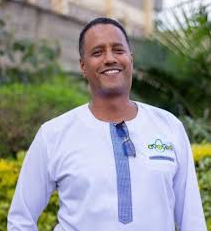
Nathan Loyd Ndungu is a seasoned entrepreneur, CEO, and author with over three decades of experience in international trade, real estate development, agribusiness, and mineral processing. As the Founder & CEO of Avoveg Health Kenya Ltd and Avoveg Health LLC, he has transformed Kenya’s avocado industry, making his company one of the top 10 avocado exporters to European and Middle Eastern markets.
Nathan’s journey is one of resilience, faith, and strategic reinvention. From navigating economic downturns in real estate to pivoting into agribusiness and global exports, he has learned that true success is not measured by money alone—but by the impact left on others, the integrity maintained in business, and the lessons learned through failure.
A devout Christian, Nathan integrates Biblical principles into his leadership style, believing that trust, stewardship, and service form the foundation of any lasting enterprise. Through his book, “My Successful Failures”, he shares his experiences, teaching aspiring entrepreneurs how to turn setbacks into opportunities.
In this conversation, Nathan shares his approach to productivity, innovation, business growth, and personal development, giving us a deeper look into his journey, philosophies, and daily habits.
What is your typical day, and how do you make it productive?
My day starts early—before sunrise. I begin with prayer and reflection, setting my mind right before stepping into the challenges ahead. I then review my key priorities for the day, ensuring that I am focusing on what truly moves the needle in my business and personal growth.
I split my time between overseeing operations, mentoring my team, and strategizing on long-term goals. One thing I’ve learned is that productivity isn’t about doing more—it’s about doing the right things at the right time. Delegation is key. I surround myself with competent people and empower them to take ownership of their roles.
The last part of my day is for learning—reading, reflecting, or engaging in discussions that sharpen my perspective.
How do you bring ideas to life?
I start with a clear vision, but vision alone isn’t enough. Execution is everything. When I have an idea, I break it down into small, actionable steps and set realistic milestones.
More importantly, I test the idea quickly. Many people get stuck in analysis paralysis, waiting for the “perfect moment.” The perfect moment doesn’t exist. I launch, learn, and adjust. This approach helped me when I transitioned from real estate to agribusiness—I didn’t have all the answers, but I was willing to adapt.
What’s one trend that excites you?
The rise of African agribusiness in global markets. There is so much untapped potential in Africa’s agricultural sector, and with the right infrastructure, branding, and market access, our farmers can compete globally. I see a future where Africa isn’t just exporting raw materials but owning the entire value chain—from farming to processing to global distribution.
What is one habit that helps you be productive?
I prioritize before I execute. Every morning, I ask myself: What are the top three things I must accomplish today? That keeps me focused.
Also, faith and gratitude. Before diving into work, I take a moment to pray and thank God. It keeps me centered and reminds me that every challenge is an opportunity to grow.
What advice would you give your younger self?
Take more risks, and don’t be afraid of failure. I used to be overly cautious, wanting everything to be perfectly planned. But the truth is, failure teaches you more than success ever will. Every setback is a setup for a comeback.
Tell us something you believe almost nobody agrees with you on?
That faith belongs in business. Many people think business should be purely numbers-driven, but I believe Biblical values—integrity, stewardship, and service—are the foundation of sustainable success.
What is the one thing you repeatedly do and recommend everyone else do?
Wake up early. Before the world demands your attention, take time to align yourself—spiritually, mentally, and strategically. Mornings are powerful.
When you feel overwhelmed or unfocused, what do you do?
I step away and pray. Sometimes, the best thing to do is pause and reconnect with your purpose. I also take a walk, read scripture, or call a mentor to gain perspective.
What is one strategy that has helped you grow your business or advance in your career?
Building strong relationships. Business is not just about transactions; it’s about people. I invest in trust, partnerships, and mentorship—that has opened doors that money alone never could.
What is one failure in your career, how did you overcome it, and what lessons did you take away from it?
When DN International, my real estate firm, faced financial difficulties, I thought it was the end. But instead of seeing failure, I saw a lesson. I pivoted into agribusiness, and that turned out to be one of the best decisions of my life. The lesson? Failure is feedback. Learn from it, adjust, and move forward.
What is one business idea you’re willing to give away to our readers?
A digital platform that connects small-scale African farmers with global buyers. There is a huge demand for quality produce, but access to markets is a challenge. Tech can bridge that gap.
What is one piece of software that helps you be productive? How do you use it?
Evernote. I use it to capture ideas, organize notes, and track my progress on key projects. It keeps my thoughts structured and accessible.
Do you have a favorite book or podcast you’ve gotten a ton of value from and why?
“The 5 AM Club” by Robin Sharma. It reinforced my belief in morning discipline and structured routines. How you start your day determines how you end it.
What’s a movie or series you recently enjoyed and why?
“The Pursuit of Happyness.” It’s a powerful story of resilience. It reminds me that success isn’t just about talent—it’s about perseverance.
Key learnings
- Failure is not final—it’s a lesson. Learn, adjust, and keep moving forward.
- Build with integrity. Success built on trust and values lasts longer than shortcuts.
- Faith is a business advantage. Trusting God’s plan gives you peace and direction, even in uncertain times.