
Nathan Weingarten has always been interested in understanding how things work. Growing up in New Jersey, he was drawn to systems, patterns, and problem solving from an early age. Instead of looking for quick answers, he enjoyed breaking complex ideas into smaller pieces and figuring out how they fit together.
Those early interests stayed with him as he spent his formative years in New York City. The fast pace of the city challenged him to think clearly and stay focused. Over time, he developed a disciplined approach to learning that continues to guide both his work and his daily life.
Today, Nathan works in software development, where he focuses on building reliable systems that are simple, maintainable, and designed to last. He believes good engineering is rarely about adding more complexity. Instead, it comes from creating strong foundations that make future growth easier. His work is guided by consistency, careful planning, and a commitment to long-term thinking rather than short-term results.
Outside of software development, Nathan values routines that help him stay balanced. He enjoys staying active through tennis, cycling, swimming, and padel. Physical activity gives him time to reset and often leads to fresh ideas when he returns to technical work. He also enjoys reading and continuous learning, believing that steady improvement comes from remaining curious throughout life.
Nathan also supports charitable initiatives in both the United States and Israel, seeing community involvement as another way to build something meaningful over time.
Whether he is solving technical challenges, learning a new skill, or improving his daily habits, Nathan approaches every opportunity with the same philosophy: focus on the fundamentals, stay consistent, and trust that small improvements made every day lead to meaningful results over time.
What is your typical day, and how do you make it productive?
My day usually starts before I open my computer. I like to begin with some form of physical activity, whether that’s tennis, cycling, swimming, or padel. It helps me clear my head and puts me in the right frame of mind for technical work. Once I start working, I focus on one problem at a time instead of jumping between tasks. Software development rewards concentration, so I try to protect that. I also leave time to read technical material because learning is part of the job, not something separate from it.
How do you bring ideas to life?
I start by simplifying the problem. It’s easy to get excited about an idea, but if you don’t understand the fundamentals, it’s difficult to build something that lasts. I usually sketch out the structure first, identify what really needs to happen, and remove anything unnecessary. Once the foundation makes sense, the implementation becomes much easier. I don’t believe in adding complexity just because it’s possible.
What’s one trend that excites you?
Artificial intelligence is changing software development in interesting ways. I think it has the potential to make developers more productive by automating repetitive tasks and enabling them to explore different solutions. At the same time, I don’t think it replaces thoughtful engineering. Strong architecture, good judgment, and understanding why systems work will always matter. AI is a powerful tool, but it’s still a tool.
What is one habit that helps you be productive?
Consistency. I don’t wait until I feel inspired to do good work. Small, disciplined habits repeated every day produce much better results than occasional bursts of motivation. That applies to writing software, learning new technologies, and even staying physically active.
What advice would you give your younger self?
Don’t confuse speed with progress. Early in my life, I thought solving problems quickly was always the goal. Over time, I realized that taking a little more time to understand the problem often saves much more time later. The strongest solutions usually come from patience, not urgency.
Tell us something you believe almost nobody agrees with you on?
I think software developers spend too much time chasing new tools. Every year, there’s another framework or library that everyone feels they need to learn immediately. I think mastering the fundamentals is much more valuable. Technologies change, but good engineering principles stay remarkably consistent.
What is the one thing you repeatedly do and recommend everyone else do?
Read consistently. It doesn’t have to be hours every day, but reading technical books, articles, or research helps expand the way you think. I try to learn something new every week, even if it’s a small concept that improves how I approach future problems.
When you feel overwhelmed or unfocused, what do you do?
I step away from the computer. Going for a bike ride, playing tennis, or swimming helps me reset mentally. I’ve solved more programming problems after taking a break than by staring at the same screen for another two hours. Distance often creates clarity.
What is one strategy that has helped you grow your business or advance in your career?
I’ve always tried to build systems that other people can easily understand. Writing code isn’t just about making something work today. Someone will probably maintain it months or years later. Thinking about maintainability has helped me become a better developer because it forces me to simplify my own thinking before I write a solution.
What is one failure in your career, how did you overcome it, and what lessons did you take away from it?
Early on, I underestimated the importance of planning before implementation. I once spent considerable time building a solution that technically worked but became difficult to expand because I hadn’t thought far enough ahead about how the system might grow. Reworking that project taught me that investing extra time in architecture is almost always worthwhile. Since then, I’ve spent more time understanding requirements before writing code, and it’s improved both the quality of my work and the efficiency of future development.
What is one business idea you’re willing to give away to our readers?
I think there’s room for software that automatically reviews existing codebases and explains technical debt in plain language for both developers and business leaders. Many companies know they have aging systems, but they struggle to understand where the biggest risks are. A tool that translates technical issues into practical business decisions would create significant value.
What is one piece of software that helps you be productive? How do you use it?
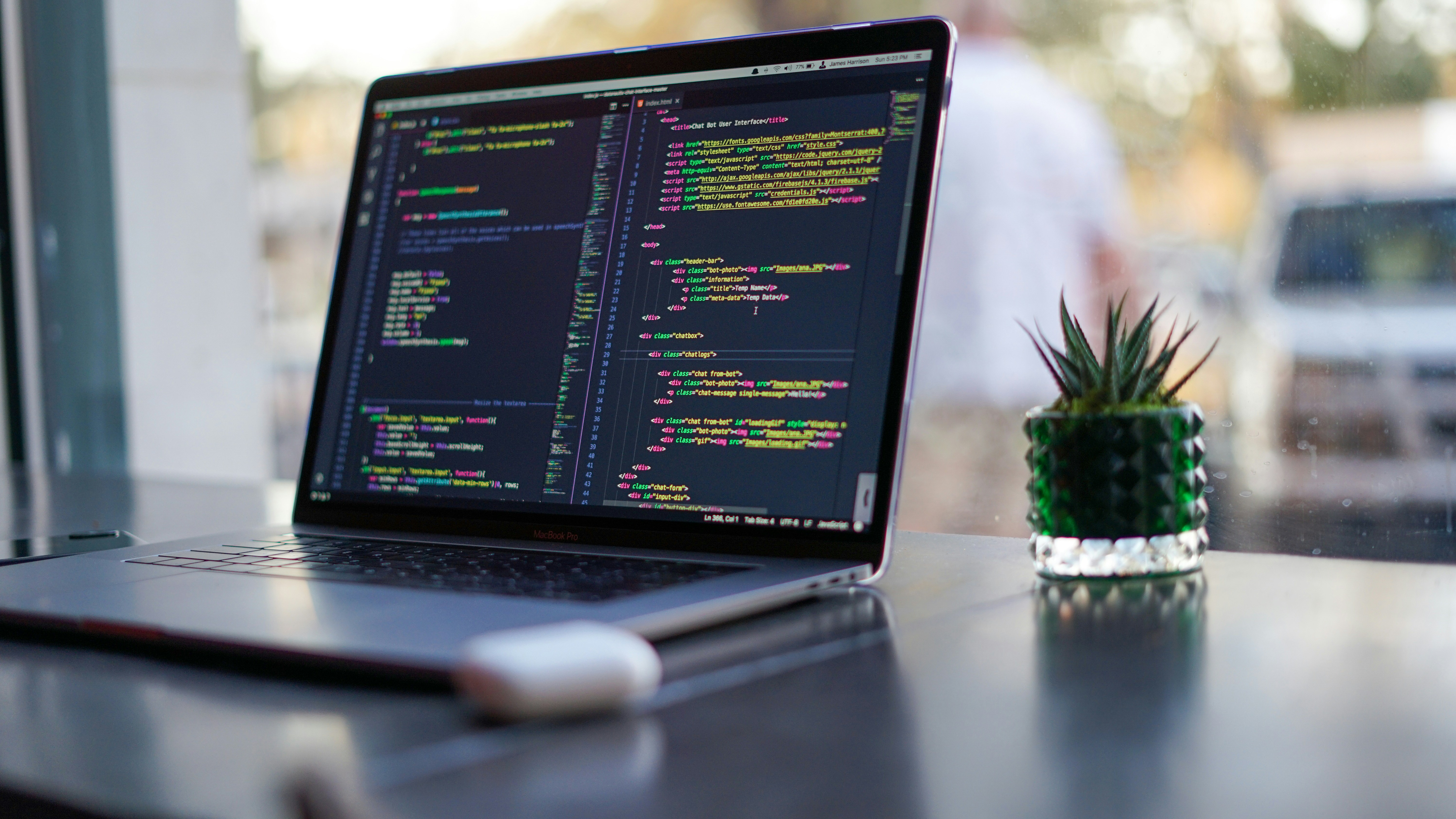
Visual Studio Code is the tool I probably use the most. Beyond writing code, I rely on its extensions, search capabilities, and debugging tools to stay organized and work efficiently. A good development environment removes distractions and lets me focus on solving problems.
Do you have a favorite book or podcast you’ve gotten a ton of value from and why?
One book I’ve returned to more than once is The Pragmatic Programmer. It isn’t about a single programming language or technology. It’s about developing good habits and making thoughtful decisions throughout your career. Even years after its publication, many of its lessons still apply because they’re based on principles rather than trends.
What’s a movie or series you recently enjoyed and why?
I recently watched The Martian. What I enjoy about it isn’t just the story. It’s the way every challenge is approached with careful problem-solving rather than panic. The main character keeps making small, logical decisions that eventually solve much larger problems. That mindset feels very familiar in engineering.
Key learnings
- Long-term thinking and strong fundamentals create software that remains valuable long after it is first built.
- Consistent daily habits, including learning and physical activity, support better decision-making and sustained performance.
- Simplicity is often the result of careful planning, not less effort.
- New technologies are most valuable when they strengthen sound engineering practices rather than replace them.
- Taking the time to fully understand a problem often yields faster, more reliable results in the long run.