
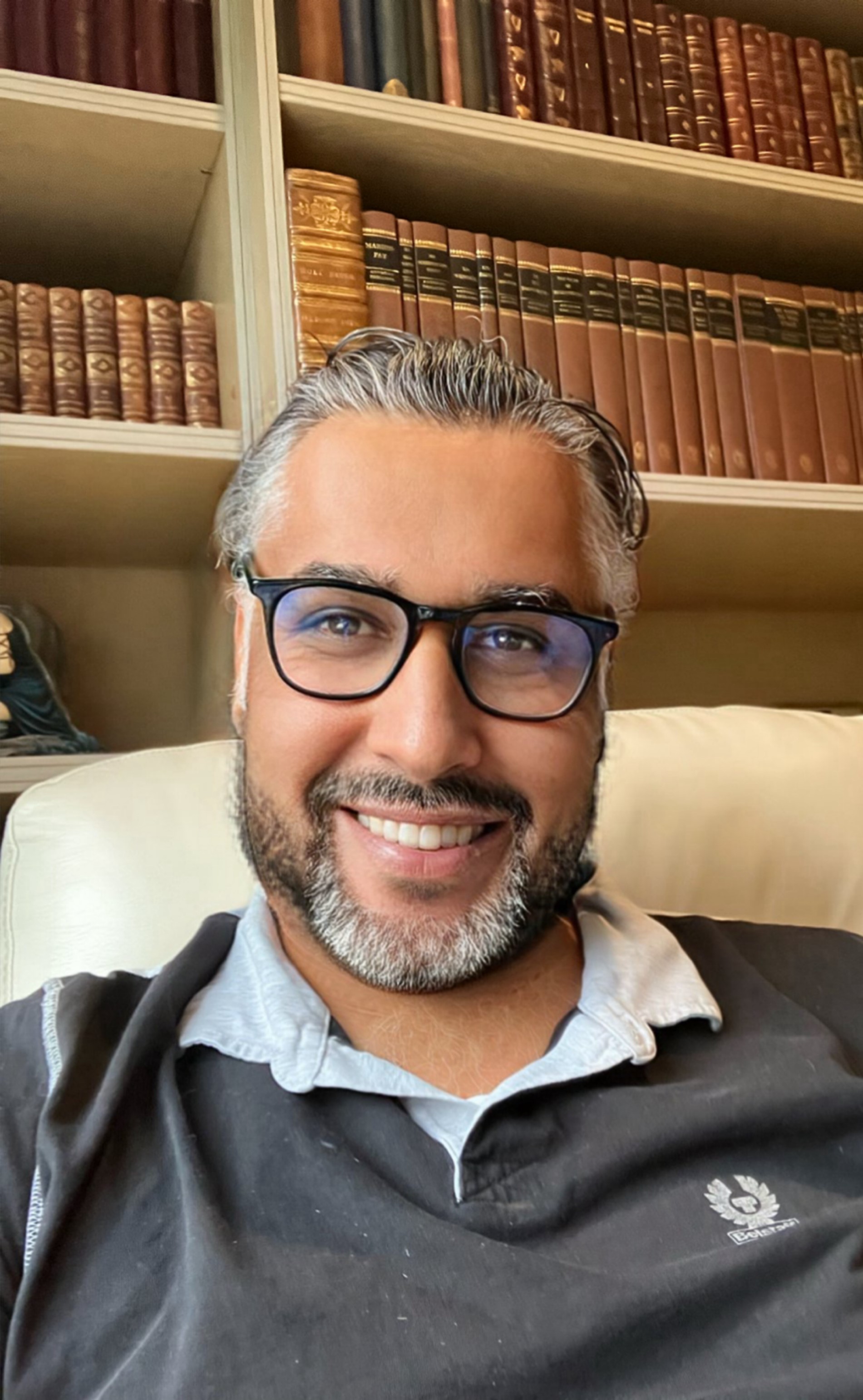
Sir Patrick Bijou’s life has unfolded across countries, cultures, and careers, shaped by curiosity and a steady belief in building things that last. Born in Georgetown, Guyana, he moved to the United Kingdom at the age of five when his father received a scholarship. That early shift taught him how change can open doors, if you learn how to move with it.
His interest in how systems work led him to study Business Studies, Economics, and International Banking. He later spent 14 years in New York, where he began his career at Wells Fargo on Wall Street. He started on the retail side, then moved onto the trading floor, where speed, structure, and decision-making became daily lessons.
Over time, his career grew across global institutions including Deutsche Bank, Merrill Lynch, Credit Agricole CIB, Calyon, Lloyds Bank, and BlackRock. He became known for building private placement and MTN desks, structuring complex funding solutions, and helping ideas move from paper into action. He also founded The Tiger Fund, expanding his work into fund management.
Later, he launched Blackhorse International and Westpac Trading FZE, leading businesses that operate across the UK, USA, UAE, and Singapore. Alongside finance, he has supported humanitarian work in Africa, India, and the UK, believing progress should reach beyond balance sheets.
Knighted for his contributions to banking and charity, Sir Patrick’s story is less about titles and more about persistence, clarity, and using experience to create real-world impact.
What is your typical day, and how do you make it productive?
My day starts early. I read before emails. Usually, market summaries, global news, or notes from teams in different regions. Mornings are for thinking. Afternoons are for decisions. I keep meetings short. If a conversation can’t move something forward, it doesn’t need an hour.
How do you bring ideas to life?
I pressure-test them quickly. If an idea cannot survive basic questions around timing, structure, and people, it stays an idea. When I built private placement desks, I didn’t wait for perfect conditions. I built simple frameworks and improved them as deals moved.
What’s one trend that excites you?
Alternative funding routes for infrastructure. Governments are realising that traditional systems move too slowly. When funding structures match real needs, projects actually get built.
What is one habit that helps you be productive?
Writing things down by hand. It slows thinking in a good way. I still sketch deal flows on paper before anyone sees a spreadsheet.
What advice would you give your younger self?
Don’t rush credibility. It comes from consistency, not titles.
Tell us something you believe almost nobody agrees with you on?
Complexity is often a sign of weak thinking. The best structures are usually the simplest.
What is the one thing you repeatedly do and recommend everyone else do?
Review what failed. Not once. Repeatedly. Most people move on too fast and miss the lesson.
When you feel overwhelmed or unfocused, what do you do?
I step away from screens. Music helps. Classical or rock. It resets my thinking and restores perspective.
What is one strategy that has helped you grow your business or advance in your career?
I learned multiple sides of finance. Banking, trading, structuring, and fund management. That range made me useful in more situations.
What is one failure in your career, how did you overcome it, and what lessons did you take away from it?
Early on, I trusted a partner without checking one operational detail. The deal collapsed late. It taught me that trust and verification must coexist.
What is one business idea you’re willing to give away to our readers?
Create regional education hubs that teach funding basics to public-sector leaders. Most delays come from misunderstanding, not lack of capital.
What is one piece of software that helps you be productive? How do you use it?
Simple document tools. I use shared documents to force clarity before meetings. If it can’t be explained clearly on one page, it’s not ready.
Do you have a favorite book or podcast you’ve gotten a ton of value from and why?
My own writing aside, I revisit books on monetary history. They remind me that cycles repeat.
What’s a movie or series you recently enjoyed and why?
Anything historical. They show how decisions ripple across generations.
Key learnings
- Simple structures often outperform complex systems over time.
- Consistency builds credibility more reliably than titles or speed.
- Reviewing failures repeatedly reveals lessons success never teaches.
- Broad experience creates adaptability in changing environments.
- Real progress comes from clarity, not noise.