
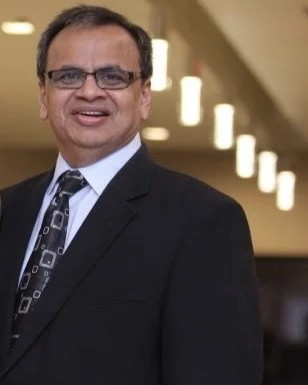
Paulin Modi is an experienced civil engineer and the president of S.M. Engineers, a civil engineering firm located in Rochester Hills, Michigan. With over 20 years of experience in both public and private sector development projects, Paulin Modi leads his firm with a focus on strategic planning, innovative design solutions, and client-centered project delivery. His expertise covers a number of aspects of civil engineering, from initial planning to final execution, ensuring projects are completed efficiently, sustainably, and to the highest professional standards.
As the president of S.M. Engineers, Mr. Modi oversees every aspect of the firm’s operations, including long-term strategic planning, financial management, and daily project oversight. He works closely with clients, stakeholders, and partners to ensure that projects meet both regulatory requirements and client expectations.
Paul Modi graduated with a master’s degree in civil engineering from the University of Detroit Mercy and a bachelor’s degree in civil engineering from L.D. Engineering College, Gujarat University. His strong educational foundation has equipped him with the technical skills and theoretical knowledge needed to tackle complex engineering challenges, whether in urban redevelopment, residential construction, or commercial site planning.
What is your typical day, and how do you make it productive?
My day begins early with quiet reflection and planning. I review project priorities, client updates, and financials before the office opens. Once work starts, I focus on design coordination, municipal approvals, and mentoring my team. I structure my schedule to tackle the most analytical work in the morning and reserve the afternoon for collaboration, site calls, and client meetings. Productivity for me is not about hours spent but decisions made—moving multiple projects one step closer to completion each day.
How do you bring ideas to life?
Ideas become real when vision meets discipline. I start with a clear conceptual framework—what problem are we solving, and who benefits? Then I translate that vision into drawings, numbers, and actionable tasks. At S.M. Engineers, that means turning land concepts into functional, approved, and buildable communities. I believe in iterative progress: small refinements daily that, over time, transform sketches into successful developments.
What’s one trend that excites you?
The integration of sustainability and smart infrastructure in urban development excites me most. Cities are finally blending technology with civil design—stormwater reuse, solar infrastructure, and data-driven traffic modeling. These innovations align with both environmental responsibility and long-term cost efficiency, redefining how we design communities.
What is one habit that helps you be productive?
I maintain a habit of daily clarity—every morning, I list my top three outcomes for the day. Not tasks, but outcomes. This habit keeps me centered amid the noise of phone calls, meetings, and deadlines. It helps ensure that no matter how busy the day becomes, the most impactful work always gets done.
What advice would you give your younger self?
Be patient but persistent. Early in my career, I wanted results overnight—approvals, recognition, success. Over time, I learned that mastery takes seasons of growth. Every challenge builds your character as much as your company. I’d tell my younger self: don’t rush the process, respect it.
Tell us something you believe that almost nobody agrees with you on.
I believe success is predictable, not accidental. Most people see it as luck or timing, but I’ve seen consistent patterns—discipline, integrity, and persistence always lead to results. It might not happen overnight, but it always happens.
What is the one thing you repeatedly do and recommend everyone else do?
I take time weekly to step back and review the bigger picture—not just what’s urgent, but what’s important. I ask, “Are we moving in the right direction? Are we balancing profit with purpose?” This self-check keeps both business and life aligned with long-term vision.
When you feel overwhelmed or unfocused, what do you do?
I disconnect for a short while—walk outside, spend a few minutes in silence, or visit a temple. Perspective resets my energy faster than productivity hacks. Once calm, I return with clarity and renewed purpose.
What is one strategy that has helped you grow your business or advance in your career?
Building trust-based relationships has been my most powerful strategy. In engineering and development, reputation is currency. By delivering consistently and communicating transparently, clients become partners and partners become advocates. Many of our largest projects came not from marketing, but from earned trust.
What is one failure in your career, how did you overcome it, and what lessons did you take away from it?
Early on, I underpriced a major municipal project and underestimated its complexity. It strained resources and morale. Instead of walking away, I completed it with excellence—even at a loss. That experience taught me to value expertise over eagerness and to never compromise long-term credibility for short-term gains.
What is one business idea you’re willing to give away to our readers?
There’s immense potential in digitizing engineering documentation—a secure cloud platform where municipalities, consultants, and clients collaborate seamlessly on real-time plan sets. It would save countless hours, reduce errors, and improve transparency. The civil industry is overdue for such transformation.
What is one piece of software that helps you be productive? How do you use it?
I primarily use Civil 3D for drawings (DWG) and Microsoft Teams for meetings and communication. Civil 3D ensures precision and efficiency in engineering design, while Teams keeps coordination with staff and clients simple and organized. For daily communication, I rely on email—still the most reliable and professional way to maintain clear project documentation.
What is the best $100 you recently spent? What and why?
A simple desk organizer and planner—it sounds minor, but it transformed my daily rhythm. Having a clear workspace and prioritized notes each morning gives me mental order in a world of digital chaos.
Do you have a favorite book or podcast you’ve gotten a ton of value from and why?
Book: The 7 Habits of Highly Effective People by Stephen Covey. It reinforced my belief that principles outlast tactics—true leadership starts with character, not strategy.
Podcast: The Tim Ferriss Show, for its deep dives into routines and philosophies of top performers.
What’s a movie or series you recently enjoyed and why?
I enjoyed The Founder—the story of Ray Kroc and McDonald’s. It’s a reminder that vision without persistence fades, and persistence without ethics fails. It captures the thin line between ambition and integrity, something every entrepreneur must balance.
Key learnings
- Success is built through consistency, trust, and discipline—not shortcuts.
- Sustainable design and smart infrastructure are reshaping the civil engineering landscape.
- Reflection and focus are essential to long-term productivity and clarity.
- Failures often become the foundation for future resilience and wisdom.
- True leadership means balancing business growth with ethical responsibility.