
Peter Grimyser spent more than 27 years serving his community through law enforcement. During that time, he built a career based on careful decision-making, strong leadership, and a commitment to protecting others. While every day brought new challenges, his focus remained the same: earn trust, solve problems, and do the right thing.
After earning a Bachelor’s degree in Administration of Justice from Marian University in 1998, Peter joined the University of Wisconsin–Madison Police Department. Over the next 27 years, he worked his way through the ranks and eventually retired as a Detective/Sergeant. He also served part-time with the Cottage Grove Police Department, giving him valuable experience working with different communities and public safety teams.
Throughout his career, Peter led investigations, managed critical incidents, and worked closely with university leaders, fellow officers, and outside agencies. Many situations required quick thinking, but he learned that the best outcomes often came from listening first, gathering the facts, and remaining calm when others looked for direction.
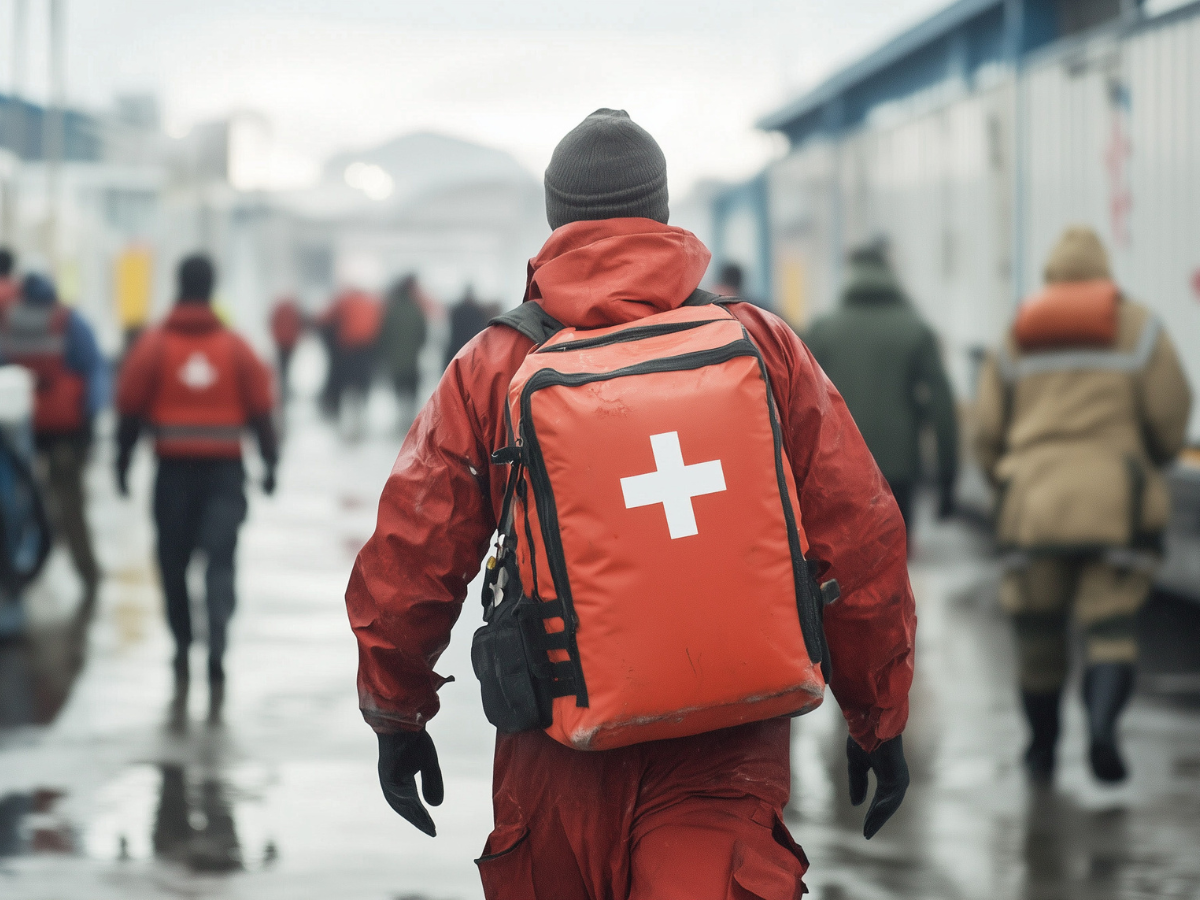
Today, Peter is semi-retired and continues serving others as a volunteer with the American Red Cross. While his role has changed, his commitment to helping people has remained the same. He enjoys sharing what decades of experience have taught him about leadership, risk management, and working through difficult situations with integrity.
Looking back, Peter believes success is rarely about one big moment. It comes from showing up consistently, making thoughtful decisions, and treating people with respect. Those lessons continue to guide him as he finds new ways to serve his community and support others long after his law enforcement career.
What is your typical day, and how do you make it productive?
My days are a little different now that I’m semi-retired, but I still like having structure. I usually start with a walk and a cup of coffee while I look over the day’s plans. I volunteer with the American Red Cross when I’m needed, and I also spend time reading about leadership, public safety, and emergency response. I try to accomplish a few meaningful things each day instead of making a long list that I’ll never finish.
How do you bring ideas to life?
I start by asking questions. In law enforcement, acting too quickly without understanding the situation could create bigger problems. I still use that approach today. I gather information, talk to people with different perspectives, and then create a simple plan. Good ideas become reality when you break them into manageable steps.
What’s one trend that excites you?
I’m encouraged by the way technology is improving emergency response and investigations. Better communication tools, body cameras, and digital evidence management have changed how agencies work together and how they document important events. When technology is used responsibly, it can improve both accountability and public trust.
What is one habit that helps you be productive?
I take time to review what went well and what could have gone better. During my career, every major incident became an opportunity to learn. Looking back honestly has helped me improve more than trying to be perfect.
What advice would you give your younger self?
I’d tell myself not to rush. I spent a lot of time wondering if I was doing enough or moving in the right direction. The truth is, experience comes one day at a time. Every assignment, every difficult conversation, and every unexpected challenge helped me become a better investigator and leader. You don’t always realize you’re growing until years later.
Tell us something you believe almost nobody agrees with you on?
I believe people sometimes spend too much time looking for certainty before making a decision. There are situations where you’ll never have every piece of information. At some point, you have to rely on your training, your values, and your best judgment. Waiting for perfect certainty can sometimes create more risk than taking thoughtful action.
What is the one thing you repeatedly do and recommend everyone else do?
Pay attention to small details. Throughout my career, small observations often became the key to solving much larger problems. The same idea applies outside of law enforcement. Little habits and small conversations often have a bigger impact than people realize.
When you feel overwhelmed or unfocused, what do you do?
I simplify the situation. I write down the problem, identify what I can control, and focus on one step at a time. That’s the same approach that worked during difficult investigations. Breaking large challenges into smaller tasks makes them easier to manage.
What is one strategy that has helped you grow your business or advance in your career?
Building relationships based on trust made the biggest difference in my career. Successful investigations often depended on cooperation between officers, university officials, outside agencies, and community members. People are much more willing to work with you when they know you’ll communicate honestly and follow through on your commitments.
What is one failure in your career, how did you overcome it, and what lessons did you take away from it?
Early in my career, I spent too much time trying to handle everything myself because I wanted to prove I was capable. Eventually, I realized that asking for another perspective isn’t a weakness. Some of the best outcomes came from working closely with experienced colleagues who noticed things I had overlooked. That experience taught me that good teamwork makes everyone stronger.
What is one business idea you’re willing to give away to our readers?
I’d like to see more organizations offer practical crisis decision-making workshops that bring together leaders from different professions. Police officers, healthcare workers, educators, emergency managers, and business leaders all deal with uncertainty. Learning from one another before a crisis happens would strengthen every organization involved.
What is one piece of software that helps you be productive? How do you use it?
Microsoft OneNote has become one of my favorite tools. I use it to organize volunteer schedules, keep notes from books and articles, and store ideas that I don’t want to forget. Having everything in one searchable place makes it easy to stay organized.
Do you have a favorite book or podcast you’ve gotten a ton of value from and why?
One book I’ve returned to several times is The Checklist Manifesto by Atul Gawande. It shows how simple systems can reduce mistakes in high-pressure environments. That idea applies just as much to public safety and leadership as it does to medicine.
What’s a movie or series you recently enjoyed and why?
I recently watched The Rescue, the documentary about the cave rescue in Thailand. What stood out to me wasn’t just the outcome. It was how people from different countries and professions worked together under enormous pressure. It was a reminder that preparation, teamwork, and clear communication can accomplish incredible things.
Key learnings
- Strong leadership often begins with listening, gathering the facts, and making thoughtful decisions instead of rushing to act.
- Trust is built through consistent communication, integrity, and following through on commitments.
- Small details and everyday habits often have the biggest impact on long-term success.
- Working with others and asking for different perspectives leads to better decisions than trying to solve every problem alone.
- Preparation and teamwork are essential for managing complex situations and overcoming uncertainty.