
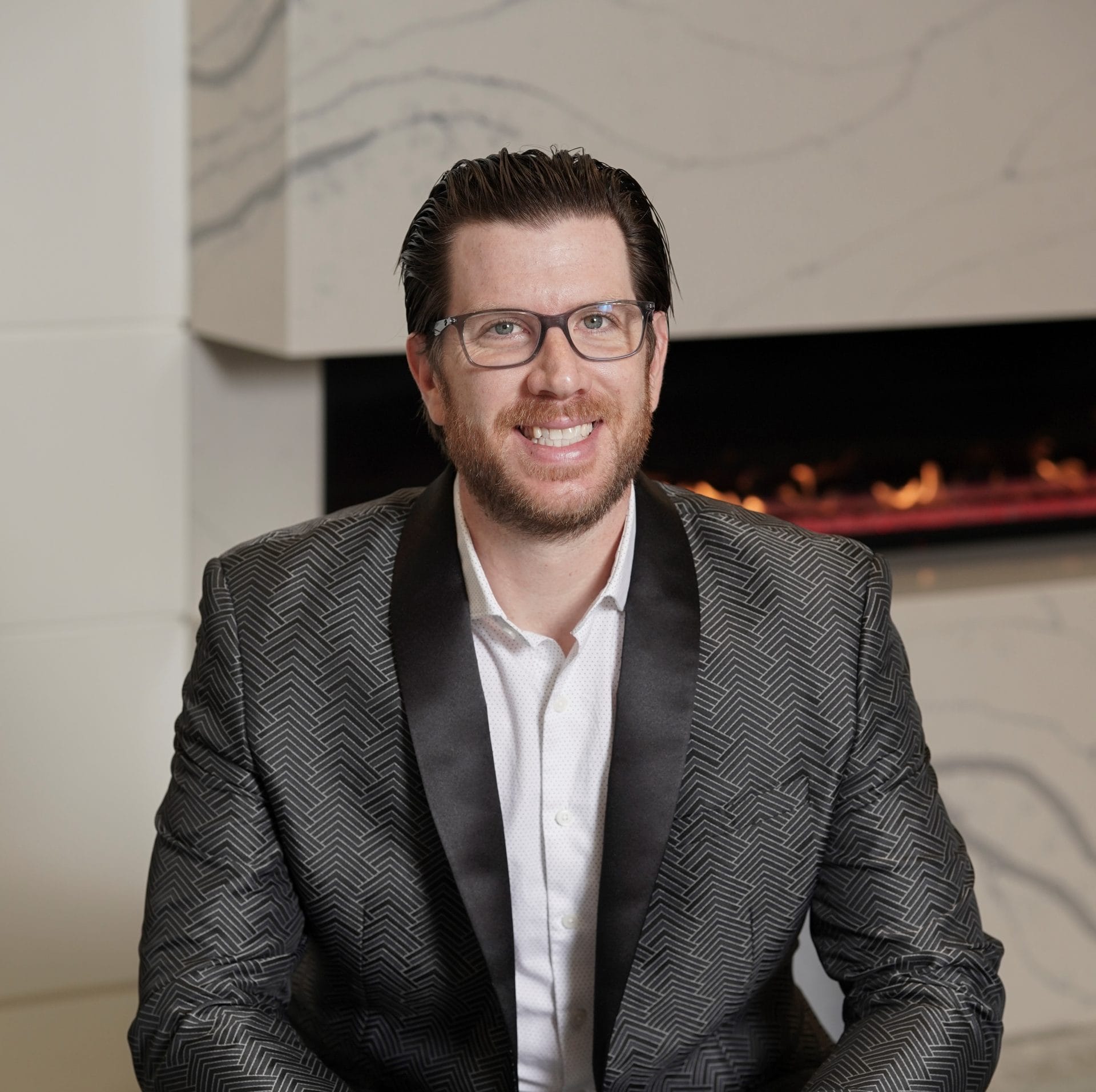
Phoevos Hughes is an experienced clinical operations professional. In 2022, he joined Socioto Biosciences and became vice president, clinical operations. In this role, he was responsible for overseeing clinical programs. Phoevos Hughes is also involved in the development of the company’s core regulatory submissions, like the fast track and orphan drug designation.
Before joining Scioto Biosciences, Phoevos Hughes held several leadership roles at Mayne Pharma, resulting in his appointment as head of medical and clinical affairs. Over his tenure, he directed cross-functional teams in clinical operations, medical affairs, pharmacovigilance, and regulatory preparedness. He also led the clinical strategy and inspection readiness activities that supported successful FDA and Health Canada audits, while contributing to regulatory filings and medical support for product launches.
Throughout his career, he has published and contributed to several high-impact clinical studies, including a recent randomized controlled trial evaluating SB-121 in individuals with autism spectrum disorder. His clinical study portfolio encompasses diverse therapeutic areas, including infectious diseases, dermatology, neurology, endocrinology, and rare diseases, highlighting his adaptability and breadth of expertise.
What is your typical day, and how do you make it productive?
My day usually starts early with a quiet moment—coffee in hand, reviewing my calendar and priorities before the noise sets in. As a consultant, my days vary widely, but I structure them around focus blocks: deep work in the morning, meetings and strategy sessions in the afternoon, and time for reflection or catch-up at the end. I stay productive by setting three non-negotiable goals each day—small wins that move the bigger picture forward.
How do you bring ideas to life?
Ideas come to life for me through conversations. I test concepts in real-time with colleagues, clients, or even mentors to see how they land. From there, I sketch frameworks, ask “what if,” and map the downstream impact. The best ideas usually gain traction when they solve a real problem and are presented clearly enough to make others want to own them too.
What’s one trend that excites you?
The shift toward patient-centric trial models—using digital tools, real-world data, and remote monitoring—has the potential to increase access and reduce burden, especially for patients with rare diseases. It’s a step toward a more inclusive and responsive research landscape.
What is one habit that helps you be productive?
I protect my mornings like prime real estate. I try not to schedule meetings before 9 a.m., which gives me a window for focused, strategic work without interruption. That small boundary has dramatically improved how much I get done before noon—and how I show up the rest of the day.
What advice would you give your younger self?
Don’t wait for perfect timing. The truth is, there’s no such thing. Take the leap, raise your hand, or speak up when your gut tells you to. Most people are figuring it out as they go—you’re not behind.
Tell us something you believe almost nobody agrees with you on?
I genuinely believe that being “too qualified” is rarely a real thing—it’s a signal that someone is capable of doing more than what’s on paper, not less. In my view, undervaluing experience because it doesn’t match a job title exactly is a loss for both sides.
What is the one thing you repeatedly do and recommend everyone else do?
I revisit my professional “why” at least twice a year. It’s easy to drift into autopilot, but pausing to ask, “Am I still working toward something that matters to me?” helps reset priorities, reframe goals, and avoid burnout.
When you feel overwhelmed or unfocused, what do you do?
I go for a run. There’s something about the physical rhythm that clears mental clutter and often leads to clarity I didn’t even know I needed. I return with less noise and more perspective.
What is one strategy that has helped you grow your business or advance in your career?
Saying “yes” to projects outside my comfort zone. One of the biggest leaps I took was stepping into medical oversight without formal training—just a strong grasp of the science and willingness to learn fast. That role ultimately opened doors to broader leadership positions and consulting opportunities that I never would have pursued otherwise.
What is one failure in your career, how did you overcome it, and what lessons did you take away from it?
Early in my career, I stayed too long in a role that wasn’t aligned with my growth because I feared instability. Eventually, I left, but not before feeling burnt out. I learned the hard way that clarity and courage matter more than comfort. The best roles don’t just fit—they stretch you.
What is one business idea you’re willing to give away to our readers?
Create a platform that matches early-career professionals in biotech with short-term advisory gigs or shadowing opportunities in emerging startups. It’s a win-win: startups get agile support, and rising talent gets real exposure beyond internships.
What is one piece of software that helps you be productive? How do you use it?
Microsoft OneNote has become a surprisingly essential tool in my workflow. I use it to organize complex program notes, regulatory timelines, meeting recaps, and cross-functional insights across various development efforts. Its simplicity and ability to sync across devices make it easy to capture thoughts in real time—especially during fast-moving discussions or when toggling between clinical and strategic priorities.
Do you have a favorite book or podcast you’ve gotten a ton of value from and why?
The Hard Thing About Hard Things by Ben Horowitz still stands out. It’s honest, practical, and full of insights for anyone navigating the uncertainty of leadership. I revisit chapters often when I need a dose of grounded perspective.
What’s a movie or series you recently enjoyed and why?
I recently enjoyed Andor—it stood out as a sharp, grounded take on rebellion, sacrifice, and identity. Unlike most sci-fi, it dives deep into political tension and personal conviction, which resonated with me as someone who’s often navigated complex systems while trying to push meaningful change.
Key learnings
- Consistency in small habits, like protecting focus time or revisiting your “why,” can lead to meaningful long-term growth.
- Strategic agility is becoming critical in life sciences, especially as consulting and decentralized models reshape traditional approaches.
- Taking calculated risks—whether through career changes or stretching into new functions—can unlock unexpected opportunities.
- Reframing failure and discomfort as growth points is essential for personal and professional development.
- Patient-centered innovation is both a moral and strategic imperative in drug development.