
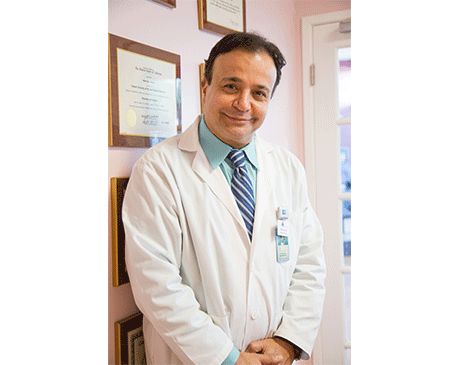
Dr. Reza Ray Ehsan, based in Los Angeles, California, is a highly experienced anesthesiologist and pain management specialist. As Chairman of the Anesthesiology Department at LA Downtown Medical Center, he has spent over 30 years helping patients manage acute and chronic pain. His career spans private practice, hospital leadership, and humanitarian medical missions. With a background in chemical engineering and specialized training in cardiothoracic anesthesia and interventional pain management, Dr. Ehsan brings a deep scientific and compassionate approach to his work. In this conversation, he shares insights into his daily routine, professional philosophy, and personal growth.
What is your typical day, and how do you make it productive?
Every day starts early. I wake up before sunrise, drink a strong coffee, and go for a run or do some stretching. Then, I head to the hospital. My mornings are filled with surgeries and pain management procedures, followed by consultations with patients dealing with chronic pain. Between cases, I check on post-op patients and review treatment plans.
The key to productivity is focus. Medicine demands full attention, so I avoid distractions. I also rely on routine—when you have a structured day, you spend less time figuring out what to do and more time getting things done.
How do you bring ideas to life?
Medicine is about problem-solving. When I see a patient with a unique or difficult pain condition, I start by asking: What haven’t we tried? Can we combine treatments? Is there a new technique that might work?
I test new ideas carefully. Pain management is evolving, and I stay up to date with the latest research. I also collaborate with other specialists—sometimes a neurologist, surgeon, or physical therapist can offer insights that lead to better patient outcomes.
What’s one trend that excites you?
The rise of personalized medicine. Pain treatment is not one-size-fits-all. We’re getting better at tailoring treatments to individual patients based on genetics, lifestyle, and response to past therapies. Technology, like AI-driven diagnostics and advanced imaging, is making this more precise than ever.
What is one habit that helps you be productive?
Consistency. I have a set routine, whether it’s in the hospital or at home. I also take detailed notes on everything—patient cases, research, personal thoughts. Reviewing notes helps me refine treatments and stay organized.
What advice would you give your younger self?
Be patient with yourself. Medicine takes time to master. There’s a steep learning curve, and you won’t know everything at once. Also, never stop learning. Even after decades in practice, I’m still discovering new ways to treat pain.
Tell us something you believe almost nobody agrees with you on?
Pain is not just physical. Many doctors treat pain as a mechanical issue—something broken that needs fixing. But pain is deeply connected to mental health. Stress, trauma, and emotions influence how we experience pain. I believe managing pain means addressing the whole person, not just the injury.
What is the one thing you repeatedly do and recommend everyone else do?
Stay physically active, no matter your age. Motion is medicine. I’ve seen too many patients let pain stop them from moving, which only makes things worse. Even small movements—stretching, walking—can prevent long-term problems.
When you feel overwhelmed or unfocused, what do you do?
I step away. A short walk, a quiet moment, or even a deep breath can reset my focus. I’ve learned that pushing through exhaustion leads to mistakes. Medicine is high-pressure, but clear thinking always leads to better decisions.
What is one strategy that has helped you grow your business or advance in your career?
Building strong relationships. I treat patients like partners in their care. When you listen and involve them in decisions, they trust you more. The same applies to colleagues—medicine is a team effort. Trust and collaboration always lead to better results.
What is one failure in your career, how did you overcome it, and what lessons did you take away from it?
Early in my career, I underestimated the psychological impact of chronic pain. I focused on medical treatments but didn’t address the emotional toll on patients. I learned that treating pain means treating the person. Now, I take a more holistic approach, considering mental and emotional health alongside physical care.
What is one business idea you’re willing to give away to our readers?
A mobile pain clinic that brings specialized pain treatments to underserved areas. Many people with chronic pain don’t have access to proper care. A traveling team of pain specialists, offering interventional treatments, could change lives.
What is one piece of software that helps you be productive? How do you use it?
I use medical note-taking and reference apps that allow me to quickly access patient histories and research. A well-organized digital record system is crucial for keeping track of cases and improving patient care.
Do you have a favorite book or podcast you’ve gotten a ton of value from and why?
“The Body Keeps the Score” by Bessel van der Kolk. It explores how trauma affects the body and mind. As a pain specialist, I’ve seen firsthand how emotional trauma can manifest as physical pain. This book helped me understand that connection better.
What’s a movie or series you recently enjoyed and why?
I recently rewatched Good Will Hunting. The way it explores intelligence, trauma, and human connection always resonates with me. It’s a reminder that brilliance can come from anywhere and that emotional healing is just as important as intellectual growth.
Key learnings
- Pain is more than physical.
- Routine and movement are key.
- Medicine is always evolving.