
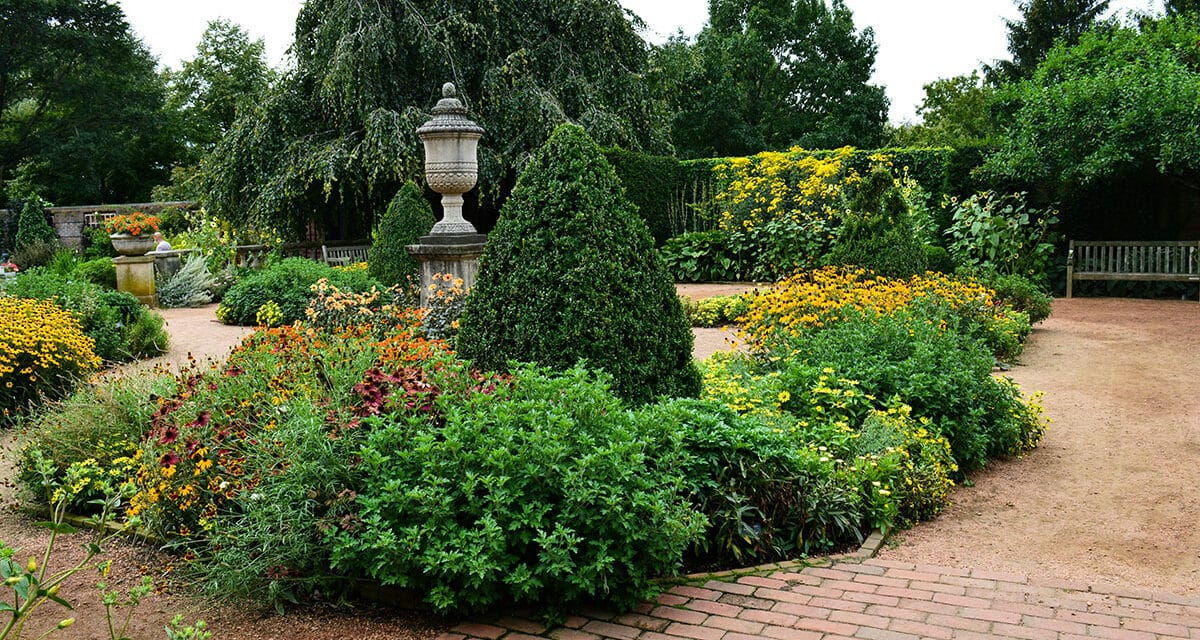
RockFence Capitals began as a dream rooted in the rich soil of the South. It started with a small group of outdoor artisans who shared a love for nature and timeless design. Back then, they worked in Georgia, crafting stone patios, garden walls, and backyard retreats. Every project told a story—one of patience, precision, and beauty.
As their work grew, so did their vision. They became known for their attention to detail and deep respect for the land. Their style was simple but bold. They blended old-world craftsmanship with fresh, modern ideas. People began to notice.
Then came a big change. The team packed up their tools and moved across the ocean to London. It wasn’t just a new location—it was a fresh start. They brought with them their Southern charm and strong work ethic. Now, they use London’s local stone and native plants to create stunning landscapes that feel like home.
RockFence Capitals is more than just a landscaping company. They believe in thoughtful design and lasting beauty. They care about the earth, using eco-friendly methods and materials. Every project—whether it’s a cozy garden, a grand stone patio, or a custom walkway—is built with care.
Today, their name stands for trust, hard work, and timeless design. They continue to shape outdoor spaces that inspire peace and connection. Their journey shows that with passion and dedication, you can plant roots anywhere—and thrive.
What is your typical day, and how do you make it productive?
My day starts early—usually around 6:30 AM. I like to walk the job site first thing, before anyone else arrives. It gives me a chance to see the space clearly, without noise or distractions. I check the work from the day before and take notes on anything that needs fixing or adjusting. A big part of my morning routine is visiting the local stone yard. I hand-pick the stones myself because I believe that every stone has a certain personality. My afternoons are usually filled with client meetings, design work, and team check-ins. I keep my days productive by setting simple, clear goals for each one—no more than three main tasks.
How do you bring ideas to life?
I always start with something from nature. It might be the curve of a river I saw during a hike or the texture of old stone walls around London. I sketch first—sometimes right on site with a pencil and notebook. Then I use 3D software to refine the design. But honestly, most of my ideas take shape when I’m holding the actual materials. I lay out stones and plants physically, adjusting things by hand until it feels right.
What’s one trend that excites you?
I really love the shift toward native landscaping. More people want gardens that work with the local environment instead of fighting against it. Clients here in London ask for drought-tolerant plants and reclaimed stone. It’s not just smart—it creates spaces that feel like they belong.
What is one habit that helps you be productive?
I’ve trained myself to focus on just one project at a time. It’s tempting to juggle multiple jobs, but I’ve learned that splitting my attention always leads to mistakes. When I give a site my full focus, everything runs smoother, and the work comes out better.
What advice would you give your younger self?
I’d tell myself to stop being afraid of big changes. Moving from Georgia to London felt scary at first. I was worried we wouldn’t fit in or find clients. But that move ended up shaping everything about who we are now. I’d say, “Trust your skills. You can start fresh and still succeed.”
Tell us something you believe almost nobody agrees with you on?
I think imperfections make a space more beautiful. So many people obsess over perfect lines and symmetry. But to me, a crooked stone or an uneven garden bed feels more natural and welcoming. Nature isn’t perfect, and neither should we be.
What is the one thing you repeatedly do and recommend everyone else do?
I walk every site first thing in the morning. It clears my head and helps me spot small issues before they turn into big problems. It’s also a way to stay connected to the project, physically and mentally.
When you feel overwhelmed or unfocused, what do you do?
I go visit one of my finished projects. Walking through a space I’ve already completed reminds me what I’m capable of. It grounds me and sparks new ideas.
What is one strategy that has helped you grow your business or advance in your career?
Face-to-face conversations. Every big project starts with an in-person meeting. I don’t rely on email or phone calls for design work. I want to see the site, talk with the client, and feel the space. That approach has brought us almost all of our business through word-of-mouth.
What is one failure in your career, how did you overcome it, and what lessons did you take away from it?
Early on, I took on too many projects at once—five at the same time. It was a disaster. Deadlines were missed, clients weren’t happy, and my team was exhausted. I learned quickly to slow down. Now, we only take on one or two projects at a time, and the quality has improved drastically.
What is one business idea you’re willing to give away to our readers?
Start a business that salvages old stone from demolition sites and turns it into small garden features. There’s so much beauty in aged materials, and people love the idea of giving something old a second life in their yard.
What is one piece of software that helps you be productive? How do you use it?
I use SketchUp Pro for 3D modeling. It’s simple but powerful. I create rough drafts of site plans, then walk clients through them so they can really picture what we’re building.
Do you have a favorite book or podcast you’ve gotten a ton of value from and why?
I keep going back to A Pattern Language by Christopher Alexander. It’s all about how design affects the way we live and move through spaces. Every time I read it, I find something new that applies to my work.
What’s a movie or series you recently enjoyed and why?
I really enjoyed The Dig. It’s about patience, craft, and discovery—watching people slowly uncover something beautiful, one layer at a time. That resonates with how I approach my projects.
Key learnings
- Focusing on one project at a time leads to higher quality work and better client relationships.
- Regular, hands-on site visits help prevent mistakes and keep projects on track.
- Embracing imperfections in design can result in more natural, welcoming outdoor spaces.
- Sustainable practices, like reusing local materials, are becoming essential to modern landscaping.
- Slowing down and learning from past mistakes can be a powerful driver of long-term success.